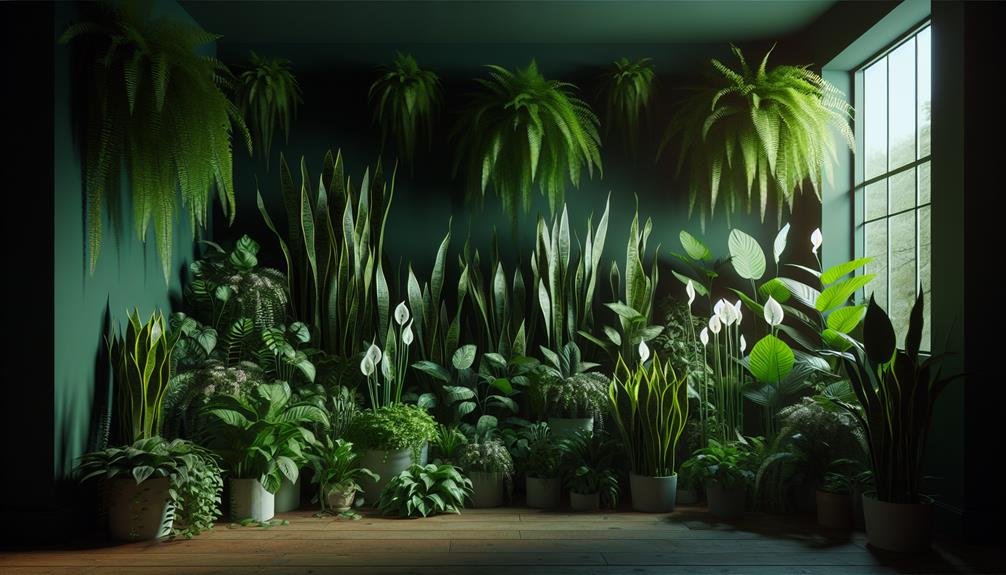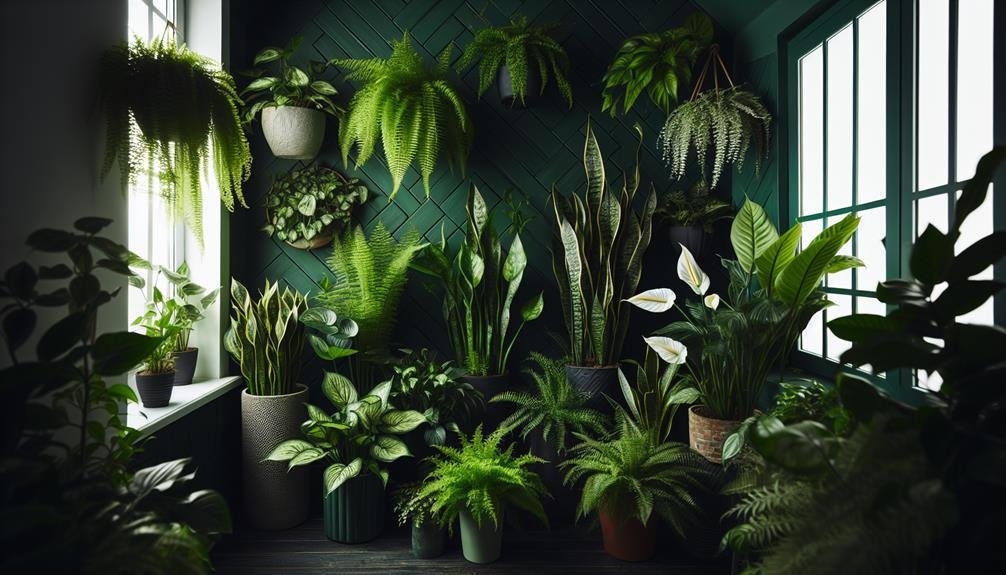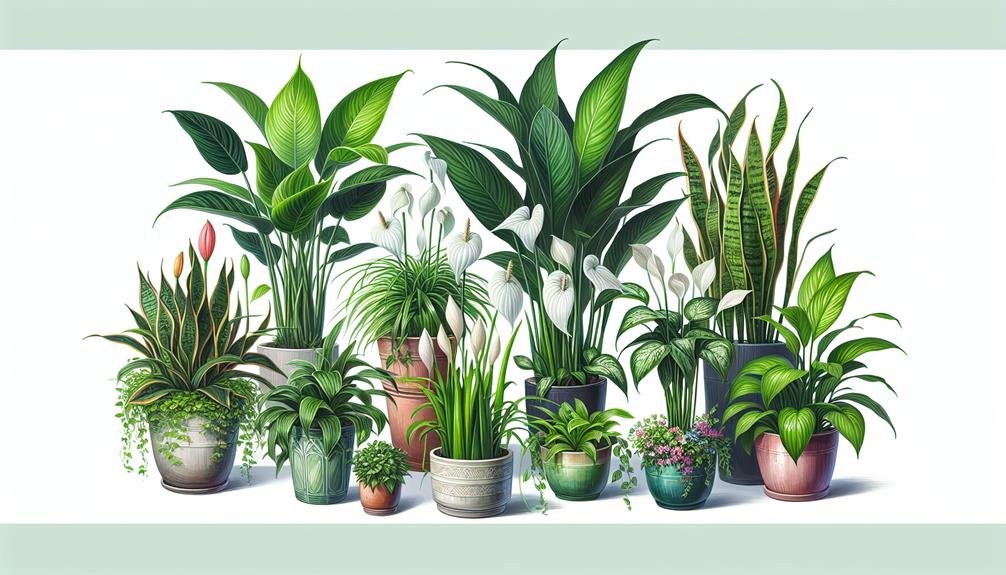
Did you know that indoor air can be up to five times more polluted than outdoor air? If you're looking to improve the air quality in your home, incorporating air-purifying plants can be a simple and effective solution.
As a beginner, choosing the right plants can make all the difference in maintaining a healthy environment. Stay tuned to discover the top 10 air-purifying plants that are not only easy to care for but also excellent at removing harmful toxins from the air around you.
Snake Plant
If you're looking for an easy-to-care-for air-purifying plant, the Snake Plant is a great choice. This plant, also known as Sansevieria or Mother-in-Law's Tongue, is perfect for beginners due to its low maintenance requirements. Snake Plants thrive in various light conditions, from bright indirect light to low light, making them versatile for any room in your home.
One of the Snake Plant's key features is its ability to purify the air by removing toxins like formaldehyde and benzene. This plant is a natural air purifier, enhancing the air quality in your living space and promoting a healthier environment.
In addition to its air-purifying qualities, the Snake Plant is drought-tolerant, meaning you don't have to worry about watering it frequently. This plant stores water in its leaves, allowing it to go for extended periods without water. Simply water it occasionally and ensure it has well-draining soil to prevent root rot.
Spider Plant
The Spider Plant, known for its air-purifying properties, is a popular choice for beginner plant enthusiasts. This hardy plant is easy to care for and can thrive in various conditions, making it an excellent addition to your indoor space. With its long, slender leaves that arch gracefully outward, the Spider Plant adds a touch of elegance to any room.
One of the Spider Plant's standout features is its ability to remove toxins like formaldehyde and xylene from the air, promoting a healthier indoor environment for you and your loved ones. This plant is also known for its adaptability, tolerating a range of light conditions from bright indirect light to partial shade.
Caring for a Spider Plant is a breeze; all it needs is well-draining soil, occasional watering when the top inch of soil is dry, and a gentle wipe of its leaves to keep them dust-free. With minimal effort, you can enjoy the beauty and air-purifying benefits that the Spider Plant offers.
Aloe Vera
Aloe Vera, with its soothing gel and low-maintenance care requirements, is a must-have plant for both novice and experienced plant lovers alike. This versatile succulent not only adds a touch of green to your space but also purifies the air by removing toxins like formaldehyde and benzene. Aloe Vera thrives in bright, indirect light, making it suitable for various indoor environments.
Caring for Aloe Vera is a breeze. It prefers well-draining soil, so make sure not to overwater it. Allow the soil to dry out completely between waterings to prevent root rot. This plant is forgiving if you forget to water it occasionally, making it perfect for those who are new to plant care. Additionally, Aloe Vera doesn't require frequent repotting, as it prefers to be slightly root-bound.

Not only is Aloe Vera beneficial for purifying the air, but it also has medicinal properties. The gel inside its leaves can be used to soothe sunburns, moisturize the skin, and even promote healing. With its air-purifying qualities and minimal care needs, Aloe Vera is a fantastic addition to any home.
Peace Lily
Moving on to the Peace Lily, a popular choice for indoor plant enthusiasts due to its elegant white flowers and air-purifying abilities. This plant isn't only visually appealing but also effective at removing common indoor air pollutants such as formaldehyde, benzene, and trichloroethylene. The Peace Lily is relatively easy to care for, making it an excellent option for beginners looking to add a touch of greenery to their homes.
One of the key benefits of the Peace Lily is its ability to thrive in low light conditions, making it perfect for spaces with minimal natural light. This plant prefers to be kept moist but not waterlogged, so be sure to water it regularly but allow the soil to dry out slightly between waterings. Additionally, the Peace Lily is known for its ability to signal when it needs water, as its leaves will droop slightly when thirsty.
Pothos
With its vibrant green leaves and easy maintenance, Pothos is a versatile and popular choice for beginner plant enthusiasts. Pothos, also known as Devil's Ivy, thrives in various lighting conditions, making it suitable for almost any indoor environment. This plant is excellent for purifying the air in your home, as it helps to remove common toxins such as formaldehyde and benzene.
One of the best features of Pothos is its resilience – it can tolerate irregular watering and is forgiving if you forget to water it occasionally. Simply water it when the top inch of soil feels dry, and it will continue to grow vigorously. Pothos is also easy to propagate, allowing you to expand your plant collection or share cuttings with friends.
To care for your Pothos, place it in indirect light, but it can also adapt to low light conditions. Ensure the soil is well-draining and avoid overwatering to prevent root rot. With minimal effort, you can enjoy the lush beauty of Pothos while benefiting from its air-purifying qualities.
Rubber Plant
If you're looking for a low-maintenance air-purifying plant, consider adding a Rubber Plant to your indoor garden. Rubber Plants, scientifically known as Ficus elastica, aren't only excellent at filtering the air but also add a touch of elegance to any space with their glossy leaves and sturdy stems. These plants are great for beginners as they're relatively easy to care for and can thrive in various indoor conditions.
Rubber Plants are effective at removing toxins like formaldehyde from the air, making your home a healthier environment to live in. They require moderate sunlight and only need to be watered when the top inch of soil is dry. Overwatering can be a common issue with Rubber Plants, so it's essential to let the soil dry out between waterings to prevent root rot.
In addition to their air-purifying qualities, Rubber Plants can grow quite large if given the space, adding a lush green presence to your indoor garden. Consider adding a Rubber Plant to your collection for both its aesthetic appeal and air-purifying benefits.
Dracaena
Consider adding a Dracaena plant to your indoor garden for another air-purifying option that's visually appealing and easy to care for. Dracaenas are popular for their striking foliage, which can range from vibrant greens to deep purples, adding a pop of color to your living space. These plants are excellent at removing toxins like formaldehyde, benzene, and trichloroethylene from the air, promoting a healthier indoor environment for you and your family.
Dracaena plants thrive in indirect light, making them perfect for rooms with minimal sunlight. They prefer their soil to dry out between waterings, so be sure not to overwater them. A well-draining potting mix will help prevent root rot, ensuring your Dracaena remains healthy and vibrant. These plants are relatively low-maintenance and can tolerate some neglect, making them ideal for beginners or those with busy schedules.
With their air-purifying qualities and easy care requirements, a Dracaena plant is a fantastic addition to any home looking to improve air quality while adding a touch of nature's beauty.
Boston Fern
Adding a Boston Fern to your indoor space can enhance air quality and bring a refreshing touch of greenery to your home. This lush and vibrant plant isn't only aesthetically pleasing but also a powerful air purifier. Boston Ferns are particularly effective at removing pollutants like formaldehyde and xylene from the air, making them a great choice for improving indoor air quality.
Caring for a Boston Fern is relatively easy, making it an ideal plant for beginners. Place your fern in indirect sunlight and keep the soil consistently moist but not waterlogged. Remember to mist the plant regularly to maintain the humidity levels it prefers. Trim any yellowing fronds to keep your fern looking healthy and vigorous.
One thing to note is that Boston Ferns prefer a humid environment, so if your home tends to be dry, consider using a humidifier or placing a tray of water near the plant to create the moisture it craves. With a little attention and care, your Boston Fern will thrive and continue to purify the air in your home.
ZZ Plant
The ZZ Plant is a resilient indoor plant known for its low maintenance and air-purifying properties. If you're a beginner looking for a hardy plant that thrives on neglect, the ZZ Plant is your go-to choice. With its shiny, waxy leaves and upright growth habit, this plant adds a touch of green to any room without demanding much attention.
One of the key benefits of the ZZ Plant is its ability to improve indoor air quality by filtering out toxins like xylene, toluene, and benzene. This makes it not only a visually appealing addition to your space but also a functional one that promotes a healthier environment for you to breathe in.
When caring for your ZZ Plant, remember that less is more. Water it sparingly, allowing the soil to dry out completely between waterings to prevent root rot. Place it in indirect light for optimal growth, but rest assured that it can tolerate low-light conditions as well. With minimal effort, you can enjoy the beauty and air-purifying benefits of the ZZ Plant in your home.
Chinese Evergreen
Wondering which indoor plant is both aesthetically pleasing and effective at purifying the air in your home? Look no further than the Chinese Evergreen. This popular houseplant is known for its lush green leaves with striking patterns of white, silver, or pink, adding a touch of elegance to any room.
Not only does the Chinese Evergreen enhance the visual appeal of your living space, but it also excels at removing toxins like formaldehyde and benzene from the air. This low-maintenance plant thrives in low light conditions and requires minimal watering, making it perfect for beginners or those with a busy schedule.
In addition to its air-purifying qualities, the Chinese Evergreen is also pet-friendly, so you can enjoy cleaner air without worrying about your furry friends. Place this plant in your bedroom or office to enjoy its calming presence and breathe easier knowing that it's working hard to keep your indoor air fresh and healthy.
Frequently Asked Questions
Can Air-Purifying Plants Help Reduce Allergy Symptoms?
Air-purifying plants can indeed help reduce allergy symptoms. They filter out airborne toxins, dust, and mold, creating cleaner indoor air. The plants absorb pollutants through their leaves and roots, improving air quality.
How Often Should I Water My Air-Purifying Plants?
Water your air-purifying plants based on each plant's specific needs. Factors like humidity levels, sunlight exposure, and pot size can affect watering frequency. Generally, it's recommended to check the soil moisture regularly by sticking your finger into the soil.
If the top inch feels dry, it's time to water. Remember, overwatering can be harmful, so always ensure proper drainage for your plants.
Are These Plants Safe to Have Around Pets?
Around pets, it's crucial to know if air-purifying plants are safe. Some plants can be harmful if ingested by pets. Check if the plants you have are non-toxic to animals. Keep them out of reach or consider pet-friendly options.
Research each plant's effects on pets to ensure a safe environment. It's essential to prioritize your furry friends' well-being when selecting indoor plants.
Can Air-Purifying Plants Improve Indoor Air Quality in All Seasons?
Yes, air-purifying plants can enhance indoor air quality all year round. They work by filtering out toxins and releasing oxygen, making your space fresher and healthier.
Regardless of the season, these plants continuously clean the air, helping you breathe better and reducing indoor pollutants. Having them around is a simple and natural way to maintain better air quality in your home.
Will Air-Purifying Plants Attract Insects or Pests Into My Home?
Air-purifying plants generally won't attract insects or pests into your home. However, it's always good to keep an eye out for any signs of pests and take appropriate measures if needed.
Conclusion
Overall, incorporating air-purifying plants into your home is a simple and effective way to improve air quality and add a touch of greenery to your space. These 10 beginner-friendly plants not only require minimal maintenance but also provide numerous health benefits.
So go ahead and bring some nature indoors to create a healthier and more vibrant environment for yourself!