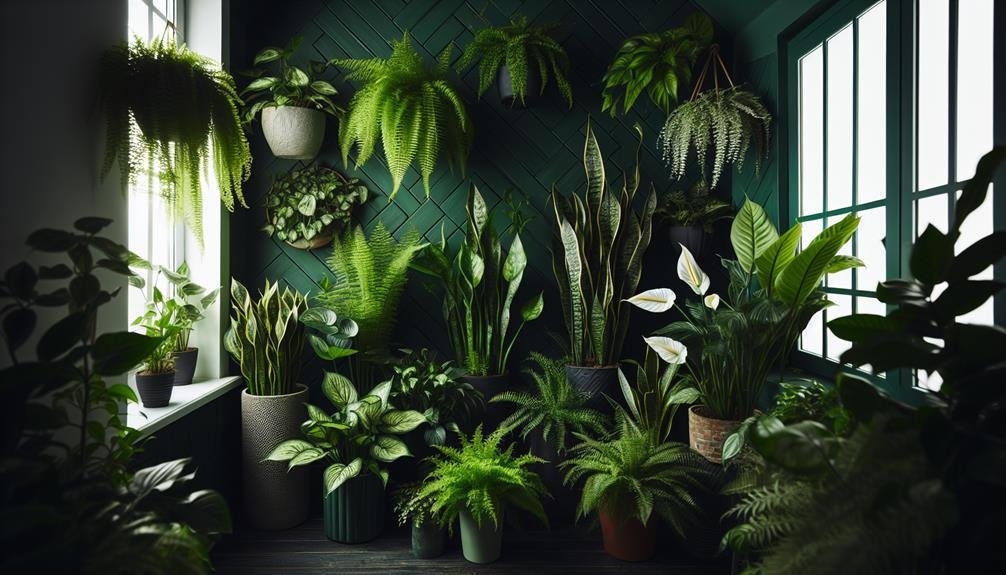
If dealing with plant pests feels like an ongoing game of whack-a-mole, fret not. Explore these 10 eco-friendly solutions that might just be the key to protecting your green companions.
From neem oil spray to beer traps, this list covers a range of remedies that are gentle on the environment yet effective against unwanted critters.
Discover how these natural alternatives can help you maintain a healthy garden without resorting to harsh chemicals.
Neem Oil Spray
To protect your plants from pests, use neem oil spray as a natural and eco-friendly remedy. Neem oil, derived from the seeds of the neem tree, is a powerful tool in your gardening arsenal. This organic solution acts as a deterrent for a wide range of pests like aphids, mealybugs, and spider mites without harming beneficial insects like bees and ladybugs.
When applying neem oil spray, remember to dilute it according to the instructions on the product label. You can typically mix around 2 teaspoons of neem oil with a quart of water and add a small amount of dish soap to help the mixture adhere to the plants better. Shake well before spraying the solution onto the leaves, stems, and undersides of the plants.
Regular application of neem oil spray every 7-14 days can help create a protective barrier against pests and fungal diseases. Additionally, neem oil has the added benefit of promoting plant growth and overall health, making it a fantastic all-natural solution for your gardening needs.
Diatomaceous Earth
When dealing with plant pests, another effective eco-friendly remedy to consider is diatomaceous earth, a natural substance that can help protect your plants without harmful chemicals. Diatomaceous earth is made from fossilized remains of diatoms, a type of algae. It works by dehydrating and killing insects like aphids, slugs, beetles, and other pests that can harm your plants.
To use diatomaceous earth, simply sprinkle a thin layer around the base of your plants or on the leaves where pests are present. Make sure to reapply after rain as it can wash away. Remember to wear a mask when applying diatomaceous earth to avoid inhaling the fine particles.
One of the great advantages of diatomaceous earth is that it's safe for humans, pets, and beneficial insects in your garden. It's a non-toxic way to keep pests at bay and protect your plants. Just be cautious not to apply it directly to flowers to avoid harming pollinators like bees.
Beneficial Insects
Beneficial insects play a crucial role in maintaining a healthy ecosystem in your garden. These tiny warriors act as natural pest controllers, preying on harmful insects that can damage your plants. Ladybugs, for example, feast on aphids, while lacewings devour spider mites and other pests. Introducing these helpful bugs into your garden can significantly reduce the need for chemical pesticides.

Encouraging beneficial insects involves creating a welcoming environment for them to thrive. Planting a variety of flowers can attract pollinators like bees and butterflies, which in turn support other beneficial insects. Additionally, maintaining some weedy areas can provide shelter and alternative food sources for these helpful critters.
To attract and keep beneficial insects in your garden, avoid using broad-spectrum insecticides that can harm them. Instead, opt for targeted treatments or natural remedies that won't disrupt the delicate balance of your garden ecosystem. By harnessing the power of beneficial insects, you can effectively control plant pests while promoting a flourishing, eco-friendly garden.
Homemade Insecticidal Soap
Encouraging a natural approach to pest control, consider creating your own homemade insecticidal soap as a safe and effective solution for managing plant pests. To make this eco-friendly remedy, mix one tablespoon of liquid soap – preferably pure castile soap – with one quart of water. Stir gently to combine the ingredients. Transfer the mixture to a spray bottle for easy application.
When applying the insecticidal soap to your plants, make sure to target the pests directly, covering them thoroughly. The soap works by suffocating soft-bodied insects like aphids, spider mites, and whiteflies on contact, without leaving harmful residues on your plants or in the environment. Remember to avoid using this solution during the hottest parts of the day to prevent potential damage to your plants.
Regularly inspect your plants for pests, and if needed, apply the homemade insecticidal soap every 7-10 days or after rainfall. This natural remedy provides an effective way to control pests while keeping your plants and the environment safe.
Garlic and Pepper Spray
For an effective natural pest control solution, consider preparing a garlic and pepper spray to protect your plants. This homemade remedy acts as a potent deterrent for common garden pests without harming the environment. To make this spray, simply blend together a few cloves of garlic, a couple of hot peppers, and water. Let the mixture steep overnight, then strain it into a spray bottle. Before applying the garlic and pepper spray to your plants, make sure to test it on a small area to ensure it won't harm them.
Garlic and pepper spray works by emitting strong odors that repel insects like aphids, caterpillars, and beetles, keeping them away from your plants. Reapply the spray every few days or after rainfall to maintain its effectiveness. Remember to target the undersides of leaves where pests often hide. This eco-friendly solution isn't only safe for your plants but also cost-effective compared to store-bought chemical pesticides. By using this natural remedy, you can protect your garden from pests while promoting a healthy and sustainable environment.
Essential Oil Repellents
To naturally deter plant pests, incorporating essential oil repellents into your gardening routine can be highly effective. Essential oils like peppermint, neem, and lavender are known for their strong scents that repel insects such as aphids, ants, and beetles. These oils can disrupt the pests' ability to locate and feed on your plants, providing a natural barrier against infestations.
To create an essential oil repellent spray, mix a few drops of your chosen essential oil with water in a spray bottle. Shake well and then evenly mist your plants, focusing on the undersides of leaves where pests often hide. Reapply the spray every few days or after rain to maintain its effectiveness.
Alternatively, you can soak cotton balls in essential oils and place them strategically around your garden to deter pests. The strong aroma will keep unwanted insects at bay without harming your plants or the environment. Remember to use high-quality, pure essential oils for the best results in protecting your garden from pests.
Beer Traps
When looking for an alternative method to deter plant pests, consider implementing beer traps in your garden. Beer traps are a simple yet effective way to control slugs and snails without the use of harmful chemicals.
To set up a beer trap, bury a container, like a small plastic cup, so that the rim is level with the soil. Fill the container with beer, which will attract the pests. The slugs and snails will be lured in by the scent of the beer, crawl into the container, and drown.
Beer traps are a popular choice among gardeners because they're inexpensive and easy to maintain. You can use any type of beer, but it's best to use cheap beer as the pests are attracted to the yeast in the beer rather than the quality. Remember to check and refill the traps regularly, especially after rain, to ensure their effectiveness.
Plant Companion Planting
Consider incorporating plant companion planting in your garden to naturally enhance growth and deter pests. Companion planting involves strategically placing different plants near each other to benefit one another.
For example, planting marigolds alongside tomatoes can help deter pests like nematodes and whiteflies while promoting tomato growth.
Another beneficial combination is planting basil near peppers. Basil can improve the flavor of peppers and repel aphids, spider mites, and mosquitoes. Additionally, growing mint alongside cabbage can deter cabbage moths and other harmful insects.
Companion planting not only helps in pest control but also enhances pollination. For instance, planting sunflowers near cucumbers can attract bees, leading to better pollination and increased cucumber yields.
Furthermore, some plants release chemicals that repel pests, a phenomenon known as allelopathy. For instance, planting garlic near roses can deter aphids due to the sulfur compounds garlic emits.
Incorporating companion planting strategies in your garden can create a balanced ecosystem that supports plant growth while naturally deterring pests.
Horticultural Oils
Enhance your pest control efforts by incorporating horticultural oils as a natural and effective solution for managing plant pests. These oils, derived from plants and sometimes petroleum, work by suffocating pests like aphids, mites, and scales, disrupting their cellular membranes and exoskeletons. To use horticultural oils, mix the concentrated oil with water according to the instructions on the product label and spray it directly onto the affected plants. Ensure thorough coverage, targeting both the tops and bottoms of leaves where pests often hide.
Horticultural oils are best applied during the dormant season or early in the morning or late in the evening to prevent leaf burn. However, avoid using them during hot weather to prevent damaging the plants. Regular application every 7-14 days can help control and deter pests effectively without harming beneficial insects. Remember to test a small portion of the plant first to check for any adverse reactions before applying the oil more broadly.
Vinegar Solutions
For an eco-friendly approach to tackling plant pests, consider using vinegar solutions as a natural and cost-effective remedy. Vinegar, specifically white vinegar, can be a powerful tool in your pest control arsenal. Mix a solution of one part white vinegar to three parts water in a spray bottle and apply it directly to the affected plants. The acetic acid in the vinegar will help to disrupt the pests' nervous systems and kill them on contact. Additionally, the strong smell of vinegar can act as a deterrent, keeping pests away from your plants in the future.
When using vinegar solutions, it's essential to test a small area of your plant first to ensure that it won't cause any damage. Some plants may be more sensitive to vinegar than others. Be cautious when applying vinegar on sunny days, as it can potentially cause burns on the leaves when exposed to direct sunlight. Overall, vinegar solutions offer a natural and non-toxic way to combat plant pests effectively.
Frequently Asked Questions
Can I Use These Eco-Friendly Remedies for Plant Pests on Indoor Plants as Well as Outdoor Plants?
Yes, you can use these eco-friendly remedies for plant pests on both indoor and outdoor plants. They're safe and effective options to protect your plants without harming the environment.
Whether you're dealing with pests inside your home or out in the garden, these remedies will help you maintain healthy plants while being mindful of eco-friendly practices. Just follow the instructions carefully for best results and to ensure the safety of your plants.
How Often Should I Apply These Remedies to Effectively Control Plant Pests?
To effectively control plant pests, apply these remedies consistently. Indoor plants may need treatments every 1-2 weeks, while outdoor plants might require application every 1-3 weeks, depending on pest severity. Consistent monitoring and adjusting the frequency based on pest activity is key.
Are These Remedies Safe to Use Around Pets and Children?
Around pets and children, safety is key when using eco-friendly remedies. You want to ensure that any products you use won't harm your loved ones.
Always check labels for pet and child safety information. Keep these remedies stored out of reach and follow instructions carefully.
Can These Remedies Be Used on Edible Plants Without Affecting Their Taste or Quality?
When using eco-friendly remedies on edible plants, you'll want to ensure they won't impact taste or quality. Some natural solutions may affect flavors if not applied correctly. Consider testing on a small portion of the plant first to gauge any changes.
Additionally, organic remedies like neem oil or garlic spray are generally safe for consumption and won't compromise the taste of your produce. Always follow instructions carefully to maintain the integrity of your edible plants.
Are There Any Specific Plants or Pests That These Remedies Are Not Effective Against?
When dealing with specific plants or pests that eco-friendly remedies mightn't effectively combat, it's crucial to research and identify the targeted pests accurately. Some remedies could be less effective against certain insects like caterpillars or larger pests like deer.
Understanding the unique challenges posed by these pests will help you choose the most suitable eco-friendly solutions for your plants. Always assess the situation and adapt your pest control methods accordingly.
Conclusion
In conclusion, there are many eco-friendly remedies for plant pests that can help protect your garden without harming the environment.
From neem oil spray to beneficial insects, there are plenty of natural options to choose from.
By incorporating these remedies into your gardening routine, you can effectively manage pest problems while promoting a healthy and thriving garden ecosystem.
So next time you encounter pesky pests, consider trying out one of these eco-friendly solutions for a more sustainable approach to pest control.