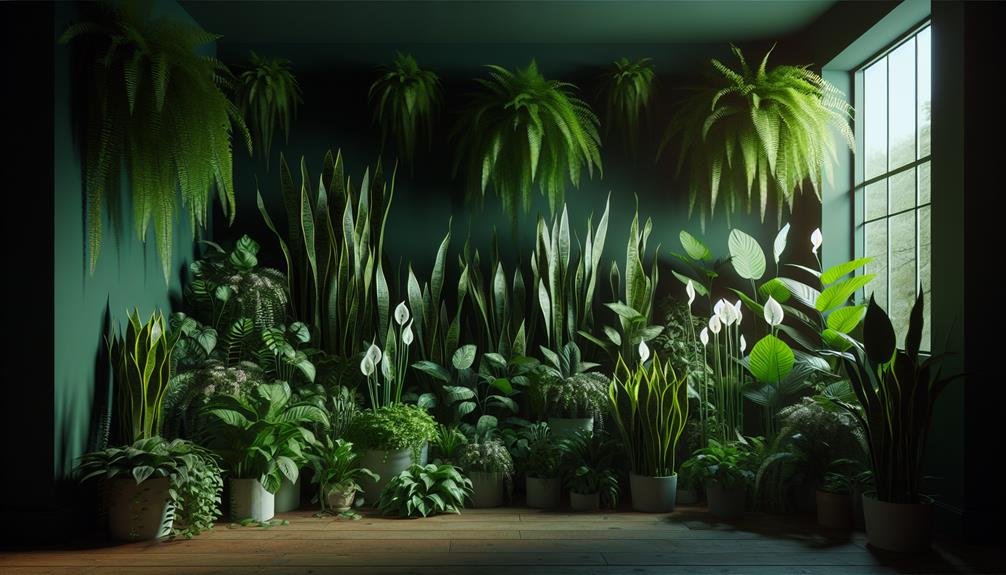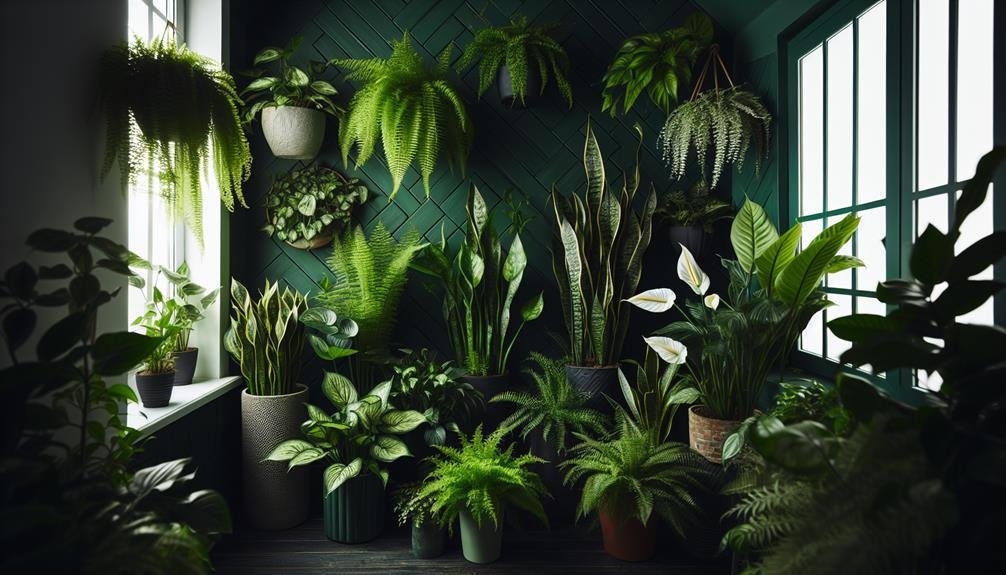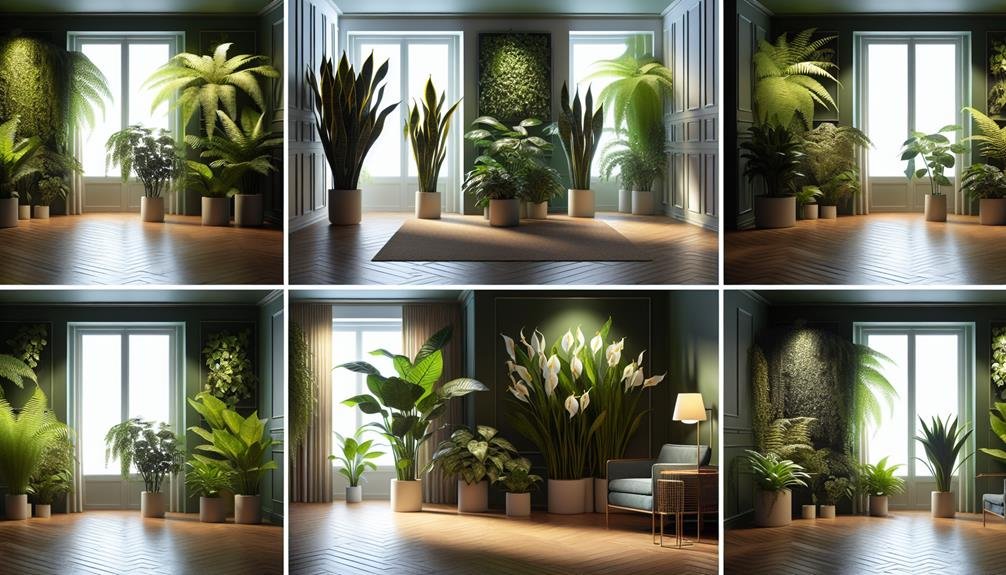
In the realm of indoor greenery, finding the perfect balance of beauty and low light resilience can be a challenge. However, fear not, for we have compiled a list of the 10 best indoor plants that thrive in dimly lit spaces.
These plants not only bring a touch of nature inside your home but also require minimal effort to maintain their lush appearance.
So, if you're looking to add some greenery to your low light setting without the hassle, stay tuned to discover the ideal plant companions for your space.
Snake Plant
When looking for a hardy and low-maintenance indoor plant, consider the Snake Plant. This resilient plant, also known as Sansevieria or Mother-in-Law's Tongue, thrives in low light conditions, making it perfect for those dimly lit corners of your home. The Snake Plant has striking tall, sword-shaped leaves that can add a touch of elegance to any room décor.
One of the Snake Plant's most appealing features is its ability to purify the air by removing toxins like formaldehyde and benzene. This plant is an excellent choice for bedrooms as it releases oxygen at night, promoting better sleep quality. Additionally, caring for a Snake Plant is a breeze. It requires infrequent watering, making it ideal for busy individuals or those prone to forgetting plant care routines.
In terms of maintenance, the Snake Plant is forgiving and can survive in various conditions, from low light to bright indirect light. It's also resilient to pests and diseases, making it a hassle-free addition to your indoor plant collection. Consider bringing home a Snake Plant for a touch of greenery that not only looks beautiful but also promotes a healthier indoor environment.
Peace Lily
Consider adding a Peace Lily to your indoor plant collection for a touch of elegance and air-purifying benefits. Peace Lilies are known for their lush, dark green leaves and beautiful white flowers that can brighten up any low light space. These plants thrive in indirect light and are relatively low maintenance, making them perfect for beginners or those with busy schedules.
One of the standout features of Peace Lilies is their ability to improve indoor air quality by removing toxins like formaldehyde, benzene, and carbon monoxide. This makes them not only aesthetically pleasing but also beneficial for your health. Additionally, Peace Lilies are easy to care for – simply water them when the soil feels dry to the touch and watch them flourish.
Keep in mind that Peace Lilies are mildly toxic if ingested, so it's essential to place them out of reach of children and pets. With their graceful appearance and air-purifying qualities, Peace Lilies are a great choice for adding a touch of tranquility to your home.
ZZ Plant
For a hardy and stylish addition to your low-light indoor space, look no further than the ZZ Plant. The ZZ Plant, scientifically known as Zamioculcas zamiifolia, is a popular choice due to its ability to thrive in low light conditions. This plant features attractive glossy green leaves that can brighten up any corner of your home with minimal effort.

One of the key benefits of the ZZ Plant is its low maintenance nature. It's highly drought tolerant, meaning you don't have to worry about watering it frequently. This makes it perfect for those who may forget to water their plants regularly. Additionally, the ZZ Plant is known for its air-purifying qualities, helping to improve the air quality in your home.
When it comes to placement, the ZZ Plant can adapt to various light conditions, but it thrives best in low light settings. This makes it an ideal choice for offices, bathrooms, or any room with minimal natural light. Just be sure to avoid direct sunlight, as this can scorch the leaves. Consider adding a ZZ Plant to your indoor space for a touch of greenery that can thrive in low light environments.
Pothos
Looking to expand your collection of low light indoor plants? Let's now explore the versatile and vibrant Pothos plant. Pothos, also known as Devil's Ivy, is a popular choice for indoor spaces due to its ability to thrive in low light conditions. This hardy plant features heart-shaped leaves that can range in color from green to variegated with splashes of white, yellow, or cream, adding a touch of natural beauty to any room.
One of the best qualities of Pothos is its low maintenance nature, making it perfect for beginners or those with busy schedules. This plant is forgiving when it comes to irregular watering and can adapt to various light levels, although it thrives best in indirect sunlight. Pothos also acts as an excellent air purifier, helping to remove toxins from the air and improve overall air quality in your home.
Incorporating a Pothos plant into your indoor garden not only enhances the aesthetic appeal of your space but also brings a breath of fresh air and tranquility into your environment.
Spider Plant
The Spider Plant, with its arching leaves and air-purifying qualities, is a resilient and popular choice for indoor spaces with low light conditions. It thrives in indirect sunlight and can even tolerate fluorescent lighting, making it a versatile option for areas where natural light is limited. Spider Plants are known for their ability to help clean the air by removing toxins like formaldehyde and carbon monoxide, promoting a healthier indoor environment for you.
One of the Spider Plant's most appealing features is its ease of care. It requires minimal attention and can bounce back quickly from neglect, making it ideal for beginners or those with busy schedules. Water the plant when the soil is dry to the touch, but be careful not to overwater as this can lead to root rot. Spider Plants also produce offsets called 'spiderettes,' which can be propagated to expand your plant collection or share with friends.
With its graceful foliage and air-purifying benefits, the Spider Plant is a charming addition to any low-light indoor space.
Cast Iron Plant
If you're seeking another low-maintenance plant that thrives in low light conditions, consider the Cast Iron Plant. This hardy plant, known scientifically as Aspidistra elatior, is a great choice for those looking to add greenery to their home without much hassle. The Cast Iron Plant is aptly named for its ability to withstand neglect, low light, and a wide range of temperatures, making it a versatile option for various indoor environments.
With its long, dark green leaves that fan out gracefully, the Cast Iron Plant adds a touch of elegance to any room. This plant isn't just visually appealing but also serves as an excellent air purifier, removing toxins from the air and improving overall air quality in your home.
When caring for a Cast Iron Plant, remember to water it sparingly as it prefers slightly dry conditions. Additionally, this plant doesn't require frequent repotting, making it a convenient choice for busy individuals looking to enhance their indoor space with minimal effort.
Chinese Evergreen
For a vibrant and low-maintenance indoor plant that thrives in low light conditions, consider the Chinese Evergreen. This beautiful plant with its striking variegated leaves is perfect for adding a touch of green to any dimly lit room in your home. Chinese Evergreens are known for their air-purifying qualities, making them not only aesthetically pleasing but also beneficial for your indoor air quality.
When caring for your Chinese Evergreen, keep in mind that they prefer indirect light and can even thrive in areas with fluorescent lighting, making them ideal for offices or rooms with few windows. Water your Chinese Evergreen moderately, allowing the soil to dry out slightly between waterings to prevent root rot. These plants are relatively low maintenance and can tolerate occasional neglect, making them a great choice for busy plant enthusiasts or beginners.
With their lush foliage and adaptability to low light conditions, Chinese Evergreens are a fantastic choice to brighten up any indoor space without requiring too much attention.
Parlor Palm
Consider adding a Parlor Palm to your indoor plant collection for a touch of elegance and greenery in low light settings. Parlor Palms, also known as Neanthe Bella palms or Chamaedorea elegans, thrive in low light conditions, making them perfect for brightening up those darker corners of your home or office. These graceful plants feature delicate, arching fronds that create a lush, tropical feel wherever they're placed.
One of the main reasons Parlor Palms are popular indoor plants is their ability to survive in low light environments. They can tolerate indirect sunlight or artificial light, making them versatile and easy to care for. Additionally, these plants are excellent air purifiers, helping to improve the air quality in your living or working space.
When caring for your Parlor Palm, make sure to water it regularly but allow the soil to dry out slightly between waterings to prevent root rot. Mist the fronds occasionally to maintain humidity, and dust them gently to keep them looking vibrant. With minimal maintenance, your Parlor Palm will continue to thrive and bring a touch of nature into your low light setting.
Philodendron
To introduce the Philodendron, a popular choice for low light settings, let's explore its unique characteristics and care requirements. Philodendrons are known for their heart-shaped leaves and can thrive in dimly lit spaces, making them ideal for areas with minimal natural light. These plants are low maintenance and can adapt well to indoor environments.
When caring for a Philodendron, ensure it's placed in a spot with indirect sunlight to prevent the leaves from burning. Water the plant when the top inch of soil feels dry to the touch, ensuring proper drainage to avoid root rot. Philodendrons appreciate occasional misting to increase humidity levels, especially in dry indoor conditions.
Regularly dusting the leaves with a damp cloth will help the plant absorb more light efficiently. Pruning any yellowing or damaged leaves will promote new growth and keep the plant looking healthy. With minimal effort, your Philodendron can add a touch of greenery and elegance to your low light indoor space.
Dracaena
In dimly lit spaces, Dracaena plants showcase their vibrant foliage and adaptability to low light conditions. If you're looking to add a touch of elegance to your low light setting, Dracaenas are an excellent choice. These plants come in various species, such as the Dracaena marginata with its striking red-edged leaves or the Dracaena fragrans with its lush green foliage.
Dracaenas are relatively low maintenance and can thrive in indirect sunlight or artificial light, making them perfect for offices or rooms with limited natural light. To care for your Dracaena, ensure the soil is well-draining and water the plant when the top inch of soil feels dry. These plants are sensitive to overwatering, so it's essential to let the soil dry out between waterings.
With their air-purifying qualities and eye-catching appearance, Dracaena plants not only brighten up dim spaces but also contribute to a healthier indoor environment. Consider adding a Dracaena to your low light setting for a touch of greenery that thrives in less-than-ideal light conditions.
Frequently Asked Questions
Can These Indoor Plants Survive in a High Humidity Environment?
Yes, these indoor plants can indeed survive in a high humidity environment. They're resilient and adaptable to various conditions, making them suitable for such settings.
The plants' ability to thrive in low light also indicates their capacity to withstand humidity levels.
With proper care and maintenance, you can ensure that these plants continue to flourish in your high humidity indoor environment.
Are These Plants Safe for Pets to Be Around?
When it comes to pets, it's essential to prioritize their safety. Some indoor plants can be harmful if ingested by your furry friends. Make sure to research each plant thoroughly to ensure it's safe for your pets to be around.
Keep an eye out for any potential toxic effects certain plants may have on them. Your pet's well-being is a top priority, so choose indoor plants that won't pose a risk to their health.
How Often Should These Plants Be Re-Potted?
When it comes to repotting your indoor plants, the frequency can vary depending on the plant's growth rate and pot size. Generally, it's a good idea to check your plants annually or whenever you notice the roots outgrowing the pot.
Repotting can provide fresh nutrients and space for growth, promoting healthier plants. Be sure to use well-draining soil and a pot with proper drainage holes for optimal plant health.
Can These Plants Thrive in an Air-Conditioned Room?
In an air-conditioned room, these plants can thrive if you provide the right conditions. Maintaining proper humidity levels and avoiding extreme temperature fluctuations will help them thrive.
Also, ensure they receive adequate light and water. With the right care, your indoor plants can flourish in an air-conditioned environment, adding beauty and freshness to your space.
Do These Plants Attract Pests or Insects?
Yes, indoor plants can attract pests or insects if not properly cared for. Common pests include spider mites, aphids, and fungus gnats.
Regularly inspecting your plants, maintaining proper watering habits, and ensuring good air circulation can help prevent pest infestations.
If you notice any signs of pests, promptly treat the affected plants with appropriate measures to keep them healthy and pest-free.
Conclusion
Overall, incorporating these 10 best indoor plants for low light settings can bring life and vibrancy to any space in your home.
With their ability to thrive in minimal sunlight, these plants are perfect for adding a touch of greenery to even the darkest corners.
Whether you choose a Snake Plant or a Peace Lily, these plants not only improve air quality but also create a calming and inviting atmosphere.
So don't hesitate to add some green to your indoor environment today!