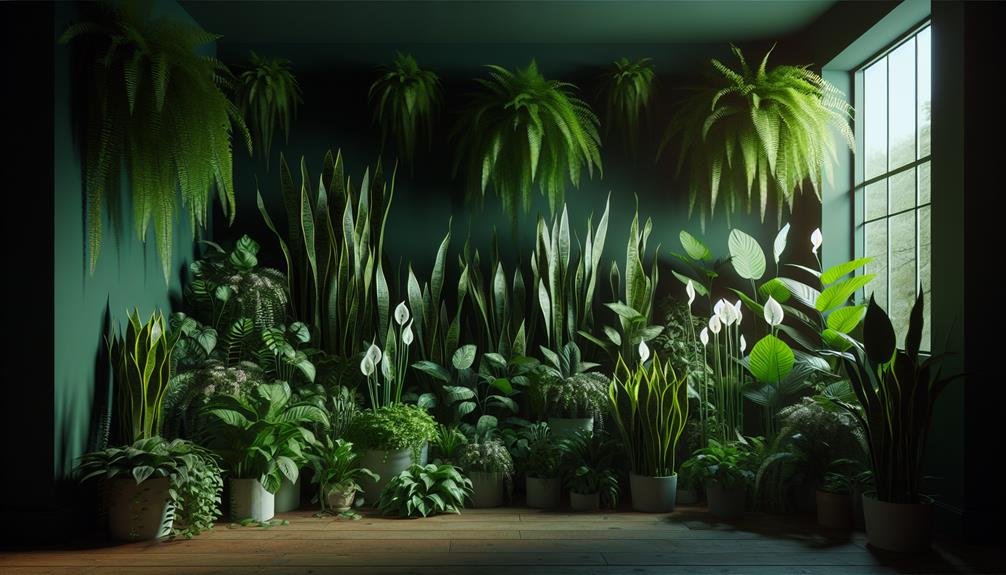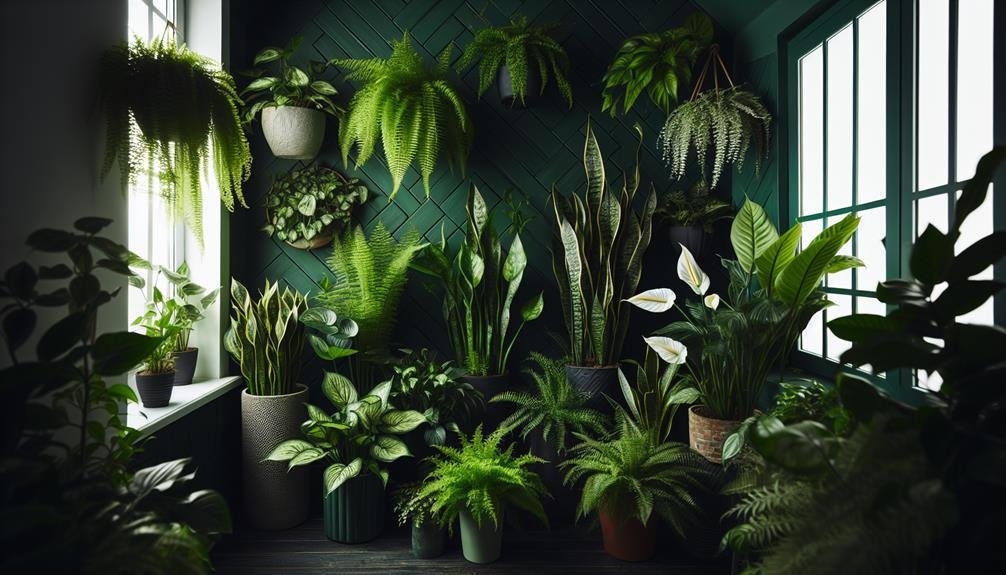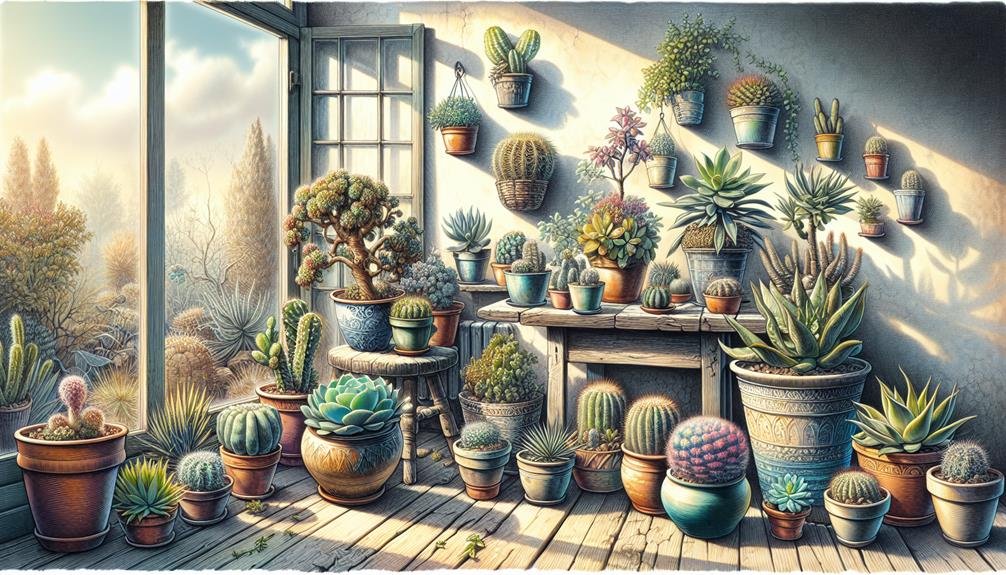
You might think that keeping houseplants alive with minimal watering is an impossible task, but fear not, there are indeed resilient options out there for both your indoor and outdoor spaces.
From the popular Aloe Vera to the elegant Ponytail Palm, these 10 drought-tolerant houseplants not only survive with little water but also add a touch of green to your surroundings.
Each plant on this list brings its unique charm and benefits, making them a must-have for any plant lover looking for low-maintenance options.
Aloe Vera
When caring for Aloe Vera, ensure you place it in a sunny spot with well-draining soil. Aloe Vera thrives in bright light, making it a perfect addition to your sunny windowsill or outdoor garden. This succulent plant is incredibly resilient and requires minimal maintenance, making it an ideal choice for those with busy schedules or a tendency to forget about watering.
To care for your Aloe Vera plant, water it deeply but infrequently. Allow the soil to dry out completely between waterings to prevent root rot, a common issue with succulents. During the growing season, typically spring and summer, you can fertilize your Aloe Vera plant lightly with a balanced fertilizer to promote healthy growth.
One of the most remarkable features of Aloe Vera is its gel-filled leaves that aren't only aesthetically pleasing but also have various medicinal properties. If you ever find yourself with a sunburn or minor cut, simply break off a leaf, squeeze out the gel, and apply it to the affected area for natural relief.
Snake Plant
To care for your Snake Plant, ensure it's placed in a well-lit area with minimal watering requirements, similar to the low-maintenance Aloe Vera. Snake Plants, also known as Sansevieria or Mother-in-Law's Tongue, are excellent indoor plants due to their ability to thrive in low light conditions.
These hardy plants have tall, sturdy leaves that come in various shades of green with unique patterns. Snake Plants are perfect for those who tend to forget to water their plants regularly, as they can go for weeks without needing a drink. In fact, overwatering is one of the few ways you can harm these resilient plants. They prefer dry conditions and are sensitive to root rot caused by excess moisture.
Snake Plants also act as natural air purifiers, removing toxins like formaldehyde and benzene from the air. With their striking appearance and easy care requirements, Snake Plants make a stylish and practical addition to any indoor space.
ZZ Plant
Thriving in low light and requiring minimal upkeep, the ZZ Plant is a resilient and stylish addition to any indoor setting. Its shiny, dark green leaves add a touch of elegance to your space while also purifying the air. ZZ Plants are known for their ability to survive in various conditions, making them perfect for busy individuals or those new to plant care.

One of the key features of the ZZ Plant is its drought tolerance. This means you won't have to worry about watering it frequently, making it an ideal choice for those who tend to forget about their plants. Additionally, the ZZ Plant is excellent at removing toxins from the air, creating a healthier environment for you to breathe in.
When it comes to placement, the ZZ Plant can thrive in both low light and bright indirect light, making it versatile for different areas of your home. Just be sure not to overwater it, as this can lead to root rot. With its striking appearance and easy maintenance, the ZZ Plant is a fantastic choice for anyone looking to add a touch of greenery to their indoor space.
Jade Plant
With its compact size and striking appearance, the Jade Plant is a popular choice for those seeking a low-maintenance yet visually appealing houseplant. This succulent, also known as Crassula ovata or money plant, features thick, glossy leaves that store water, making it exceptionally drought-tolerant. Its vibrant green foliage adds a touch of elegance to any indoor or outdoor space, brightening up your surroundings with minimal effort.
Jade Plants thrive in bright light but can adapt to lower light conditions, making them versatile for various environments. When it comes to care, these plants prefer well-draining soil to prevent root rot – watering sparingly is key to keeping them healthy. Allow the soil to dry out completely between waterings to avoid overwatering, as too much moisture can harm the plant.
In addition to their resilience, Jade Plants are also believed to bring good luck and prosperity according to Feng Shui principles, adding a positive energy to your living space. Consider adding a Jade Plant to your collection of houseplants for a touch of beauty and good fortune.
Ponytail Palm
The Ponytail Palm, also known as Beaucarnea recurvata, is a unique and eye-catching houseplant that requires minimal care. This plant, despite its name, isn't a true palm but belongs to the agave family. Its long, slender leaves cascade from the top of a bulbous trunk, giving it a ponytail-like appearance. Ponytail Palms are excellent choices for those looking for low-maintenance greenery in their indoor or outdoor spaces.
One of the key advantages of the Ponytail Palm is its drought tolerance. This plant stores water in its swollen base, allowing it to survive extended periods without watering. When caring for your Ponytail Palm, make sure to place it in a well-draining pot to prevent root rot. Water sparingly, allowing the soil to dry out between waterings. Additionally, provide bright, indirect light for optimal growth.
The Ponytail Palm's unique appearance and easy care requirements make it a fantastic addition to any plant lover's collection. Whether you have a busy schedule or are new to plant care, this striking houseplant is sure to thrive with minimal effort on your part.
Spider Plant
When considering low-maintenance houseplants, the Spider Plant stands out for its air-purifying qualities and easy care requirements. This plant, with its long, arching leaves, is a popular choice for both indoor and outdoor settings. Spider Plants are excellent at removing toxins from the air, making them a beneficial addition to any room. They thrive in various light conditions, from bright indirect light to partial shade, making them versatile for different environments.
One of the Spider Plant's most attractive features is its resilience to neglect. They're forgiving of occasional missed watering and can withstand fluctuations in temperature. Spider Plants are known for producing offshoots called 'spiderettes,' which dangle down from the mother plant like spiders on a web, adding a unique aesthetic to your space. These spiderettes can be easily propagated to grow new plants, making the Spider Plant a cost-effective option for expanding your indoor garden. Overall, with minimal effort, you can enjoy the beauty and air-purifying benefits that the Spider Plant brings to your home.
Cast Iron Plant
Resilient and robust, the Cast Iron Plant thrives in low-light conditions and requires minimal care to flourish indoors. This plant is a perfect choice for those seeking a low-maintenance green companion in their living or working spaces. With its dark green, glossy leaves that can grow up to 2 feet long, the Cast Iron Plant adds a touch of elegance to any room.
When it comes to watering, this plant prefers dry soil between waterings, making it an ideal choice for forgetful or busy plant owners. Simply water the Cast Iron Plant when the top inch of the soil feels dry to the touch. Additionally, fertilizing is only necessary a few times a year, further simplifying its care routine.
The Cast Iron Plant is also known for its air-purifying qualities, helping to improve indoor air quality by removing toxins. With its ability to thrive in neglectful conditions, this plant is truly a resilient and durable option for indoor spaces.
Christmas Cactus
Moving on from the Cast Iron Plant, let's now explore the Christmas Cactus, a festive and unique addition to your indoor plant collection. Known for its vibrant blooms that typically appear around the holiday season, the Christmas Cactus adds a pop of color and cheer to any space. This succulent, despite its name, isn't actually a desert cactus but a tropical plant native to Brazil, where it thrives in the shade of the rainforest.
One of the main attractions of the Christmas Cactus is its low maintenance requirements, making it an excellent choice for those looking for a beautiful yet undemanding houseplant. These plants prefer bright, indirect light and well-draining soil to thrive. Unlike traditional cacti, they require regular watering, especially during their blooming period. However, they can tolerate slight neglect and are forgiving if you occasionally forget to water them.
With proper care, your Christmas Cactus can live for many years, blossoming into a stunning display of colorful flowers each holiday season.
Succulents
Succulents thrive in environments with plenty of sunlight and minimal watering, making them ideal choices for those seeking low-maintenance houseplants. These water-storing plants come in various shapes and sizes, adding a touch of greenery to both indoor and outdoor spaces. Aloe vera, jade plants, and echeverias are popular succulents known for their resilience and unique appearances.
When caring for succulents, it's essential to place them in a sunny spot where they can receive at least six hours of sunlight per day. This ensures proper growth and vibrant colors. Overwatering is a common mistake that can lead to root rot, so it's best to let the soil dry out between waterings. Succulents are adaptable plants that can withstand periods of drought, making them perfect for busy individuals or forgetful gardeners.
With their striking foliage and minimal care requirements, succulents are a great addition to any home or garden. Whether you're a seasoned plant enthusiast or a beginner looking to green up your space, succulents offer beauty and simplicity in one package.
Lavender
To continue exploring plants that thrive in dry conditions, let's shift our focus to Lavender. Lavender is a versatile and fragrant herb that's well-known for its drought-tolerant nature, making it an excellent choice for both indoor and outdoor spaces. This plant thrives in sunny locations with well-drained soil, requiring minimal water once established.
Lavender plants feature slender stems with clusters of aromatic purple, blue, or white flowers. Their soothing scent not only adds a pleasant aroma to your surroundings but also has calming properties that can help reduce stress and anxiety. In addition to its ornamental value, Lavender is a popular choice for culinary purposes, adding a delightful flavor to dishes and beverages.
When growing Lavender indoors, place it near a sunny window and water sparingly to prevent root rot. Outdoors, ensure it receives plenty of sunlight and avoid overwatering, as this can lead to fungal diseases. With proper care, Lavender can thrive in dry conditions, bringing beauty and tranquility to your living spaces.
Frequently Asked Questions
Can Drought-Tolerant Houseplants Survive in Low Light Conditions?
Yes, drought-tolerant houseplants can survive in low light conditions. These hardy plants are adapted to conserve water, making them resilient even in less sunny spots.
With proper care and occasional watering, they can thrive indoors where light might be limited. Consider species like snake plants, ZZ plants, or succulents that are well-suited for such environments.
Just ensure they receive some light and avoid overwatering to keep them healthy.
How Often Should I Water Drought-Tolerant Houseplants?
Water your drought-tolerant houseplants sparingly to prevent root rot. Check the soil moisture level before watering by sticking your finger in the soil; if it's dry a few inches down, then it's time to water.
Typically, water these plants every 2-3 weeks, adjusting based on environmental factors like temperature and humidity. Remember, it's better to underwater than overwater when caring for drought-tolerant plants to maintain their health and vitality.
Are There Any Pests or Diseases That Commonly Affect Drought-Tolerant Houseplants?
When it comes to pests and diseases that affect plants, it's essential to stay vigilant.
Some common issues that may trouble your green friends include pests like aphids, spider mites, and mealybugs. These critters can wreak havoc on your plants if left unchecked.
Diseases such as powdery mildew and root rot are also threats to watch out for.
Regular inspection and prompt action can help keep your drought-tolerant houseplants healthy and thriving.
Can Drought-Tolerant Houseplants Be Propagated Easily?
When it comes to propagating drought-tolerant houseplants, you'll be happy to know that many of them can be easily propagated.
From taking stem cuttings to dividing root balls, there are various methods you can try. With a little bit of research and practice, you'll soon become a pro at multiplying your plant collection.
Just remember to provide the right conditions for successful propagation and watch your green thumb skills grow!
Do Drought-Tolerant Houseplants Require Any Special Soil or Fertilizer?
When caring for drought-tolerant houseplants, you won't need any special soil or fertilizer. These hardy plants are low-maintenance and can thrive in regular potting mix.
Avoid overwatering and use a well-draining soil to prevent root rot. You can feed them with a balanced liquid fertilizer diluted to half strength once or twice a month during the growing season.
Keep it simple, and your drought-tolerant plants will flourish.
Conclusion
In conclusion, adding drought-tolerant houseplants to your indoor and outdoor spaces is a great way to bring greenery into your home without the need for constant watering.
These low-maintenance plants, such as Aloe Vera, Snake Plant, and Succulents, are perfect for busy individuals or those with a brown thumb.
With the right care, these resilient plants will thrive and bring a touch of nature into your living space.