When it comes to managing pests on your houseplants, it's like navigating a jungle of greenery. You've carefully nurtured your indoor garden, but those pesky invaders can still find their way in.
By following five key strategies, you can create a shield of defense against unwanted critters. From identifying the culprits to maintaining the overall health of your plants, each step plays a crucial role in keeping your indoor oasis thriving.
So, are you ready to equip yourself with the essential tools to protect your leafy companions?
Identify the Pest
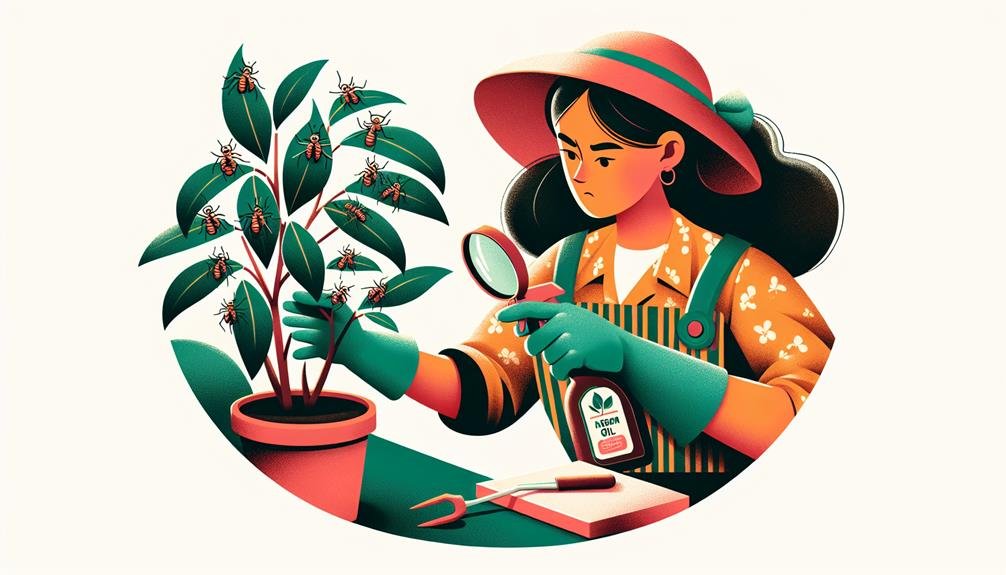
To effectively manage houseplant pests, you must first accurately identify the specific pest causing issues with your plants. Examining your plants regularly is crucial. Look for signs such as yellowing leaves, holes, webbing, or small bugs crawling on the plant or in the soil. Different pests leave distinct clues, so pay attention to these details to pinpoint the exact problem.
Inspect the top and bottom of leaves, along stems, and even in the soil to locate the pest. Common houseplant pests include spider mites, aphids, mealybugs, and fungus gnats. Spider mites leave fine webbing and stippling on leaves, while aphids cluster on new growth sucking plant juices. Mealybugs appear as white cottony masses along stems, and fungus gnats are small flies hovering around the plant.
Implement Preventative Measures
Consider incorporating regular inspections and proper plant care practices to proactively deter common houseplant pests. By routinely checking your plants for early signs of infestation, such as yellowing leaves or sticky residues, you can catch pest problems before they escalate. Inspect both the upper and lower sides of leaves, along with the stems and soil, as pests can hide in various plant parts.
Additionally, practice good plant hygiene by removing dead leaves, debris, and any fallen plant material promptly, as these can attract pests.
Maintaining proper watering and light conditions specific to each plant type can also help strengthen their natural defenses against pests. Overwatering can create a welcoming environment for pests, so be mindful of your watering schedule and ensure proper drainage. Providing adequate sunlight or artificial light, based on plant requirements, can promote plant health and resilience.
Furthermore, consider using organic potting soil and regularly fertilizing your plants to keep them healthy and better equipped to fend off potential pest attacks. By implementing these preventative measures, you can significantly reduce the risk of houseplant pest infestations.
Try Natural Remedies
Explore natural remedies to effectively combat houseplant pests without resorting to chemical solutions.

When dealing with pesky insects on your houseplants, consider using items commonly found in your kitchen to create simple yet potent pest control solutions. For instance, a mixture of water and mild dish soap can be sprayed on plants to suffocate and deter pests like aphids and spider mites.
Additionally, neem oil, derived from the neem tree, is a natural insecticide that disrupts the growth and reproduction of various pests while being safe for plants. Another effective remedy is a garlic spray, which can repel insects due to its strong scent.
Furthermore, introducing beneficial insects like ladybugs or predatory mites can help keep pest populations in check. By incorporating these natural remedies into your pest management routine, you can maintain healthy and pest-free houseplants while minimizing the use of harsh chemicals.
Use Organic Pest Control Products
When dealing with houseplant pests, utilizing organic pest control products can be an effective and eco-friendly alternative to chemical solutions. Organic pest control products are derived from natural sources such as plant oils, neem, diatomaceous earth, or insecticidal soaps. These products work by suffocating, repelling, or disrupting the pests' life cycles without harming beneficial insects or the environment.
Neem oil, for example, is known for its ability to control a wide range of pests like aphids, spider mites, and whiteflies while being safe for most plants. Insecticidal soaps are effective against soft-bodied insects such as mealybugs and scale. Diatomaceous earth, a powder made from fossilized remains of aquatic organisms, can be sprinkled around plants to kill pests with exoskeletons by dehydrating them.
When using organic pest control products, remember to follow the instructions carefully to avoid harming your plants. Additionally, it's essential to be patient as organic solutions may take longer to show results compared to synthetic pesticides. By incorporating organic pest control products into your houseplant care routine, you can effectively manage pests while minimizing the impact on the environment.
Monitor and Maintain Plant Health
To effectively manage houseplant pests, consistent monitoring and maintenance of plant health are crucial aspects of your care routine. Regularly inspect your plants for any signs of pest infestation, such as yellowing leaves, sticky residue, or visible bugs. By catching issues early on, you can prevent pests from spreading and causing extensive damage to your beloved plants.
In addition to monitoring, maintaining plant health through proper watering, light exposure, and fertilization is key to keeping your houseplants strong and resilient against potential pest attacks. Overwatering can lead to root rot, weakening the plant's defenses, so ensure proper drainage and watering practices. Providing adequate sunlight and nutrition also helps plants thrive and better withstand pest pressures.
Remember to periodically clean your plant's leaves to remove dust and debris, which can attract pests. By staying vigilant and proactive in monitoring and maintaining your plant's health, you can create an environment that discourages pests and promotes the well-being of your indoor garden.
Frequently Asked Questions
Can Houseplant Pests Affect the Health of Humans or Pets in the Household?
Houseplant pests can indeed affect the health of humans or pets in the household. Some pests can cause skin irritation, allergies, or even transmit diseases. It's important to promptly address any pest infestations to prevent these risks.
Regularly inspect your plants for signs of pests and take action if you notice any. Keeping your houseplants healthy and pest-free is crucial for maintaining a safe environment for you and your pets.
How Do I Prevent Houseplant Pests From Spreading to Other Plants in My Home?
To prevent houseplant pests from spreading to other plants in your home, regularly inspect your plants for any signs of pests like webs or holes on leaves.
Quarantine any infested plants away from healthy ones. Treat affected plants promptly with natural remedies or insecticidal soap.
Clean and sanitize your gardening tools after each use to prevent the spread of pests. Maintain good plant hygiene and avoid overwatering to discourage pests.
Are There Any Specific Houseplant Pests That Are More Common During Certain Seasons?
During different seasons, specific houseplant pests may become more prevalent. For example, spider mites tend to thrive in dry conditions, often making a debut in winter.
On the other hand, fungus gnats might pop up more frequently in the summer due to increased moisture levels.
Being aware of these seasonal patterns can help you anticipate and address pest issues promptly, keeping your houseplants healthy year-round.
Can Overwatering or Underwatering My Plants Attract Pests?
Overwatering or underwatering your plants can indeed attract pests. When plants are stressed from too much or too little water, they become more vulnerable to pest infestations.
Pests are often drawn to weakened plants, making it crucial to maintain proper watering habits. By keeping your plants well-watered but not soaked, you can help them stay healthy and less susceptible to pests.
Are There Any Houseplants That Naturally Repel Pests and Can Be Used as a Preventative Measure?
When looking to prevent pests in your indoor garden, consider incorporating plants known for repelling unwanted visitors. Some houseplants naturally deter pests due to their strong scents or properties that insects find unappealing.
Adding these pest-repelling plants to your collection can serve as a proactive measure to keep pests at bay. Research popular options like lavender, mint, or marigolds to find the best fit for your home.
Conclusion
Now that you know the best strategies for managing houseplant pests, you can keep your indoor garden thriving and pest-free.
By identifying the pest, implementing preventative measures, trying natural remedies, using organic pest control products, and monitoring plant health, you can ensure your plants stay healthy and beautiful.
Remember to stay proactive and consistent in your pest management efforts to keep your houseplants happy and pest-free.
Happy gardening!