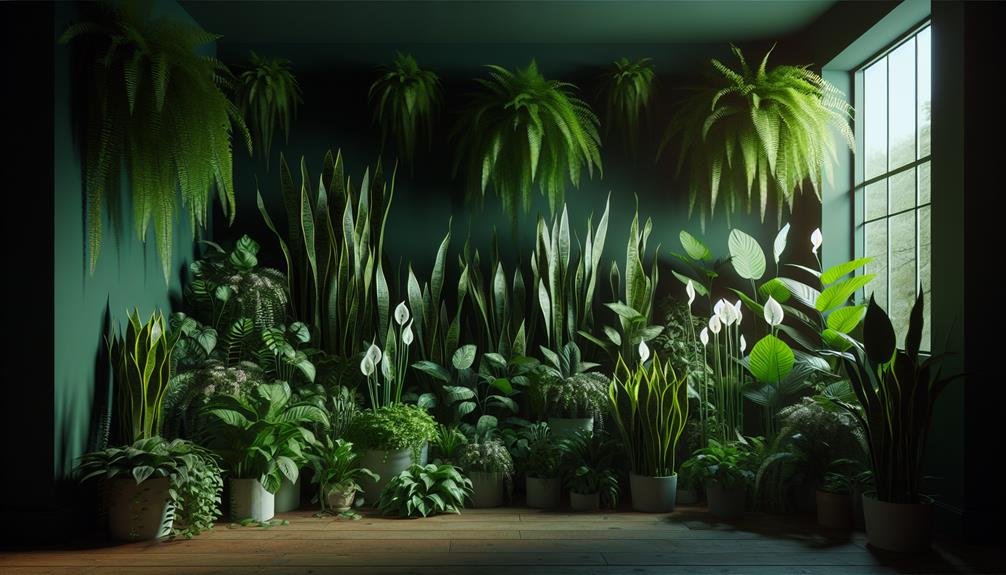
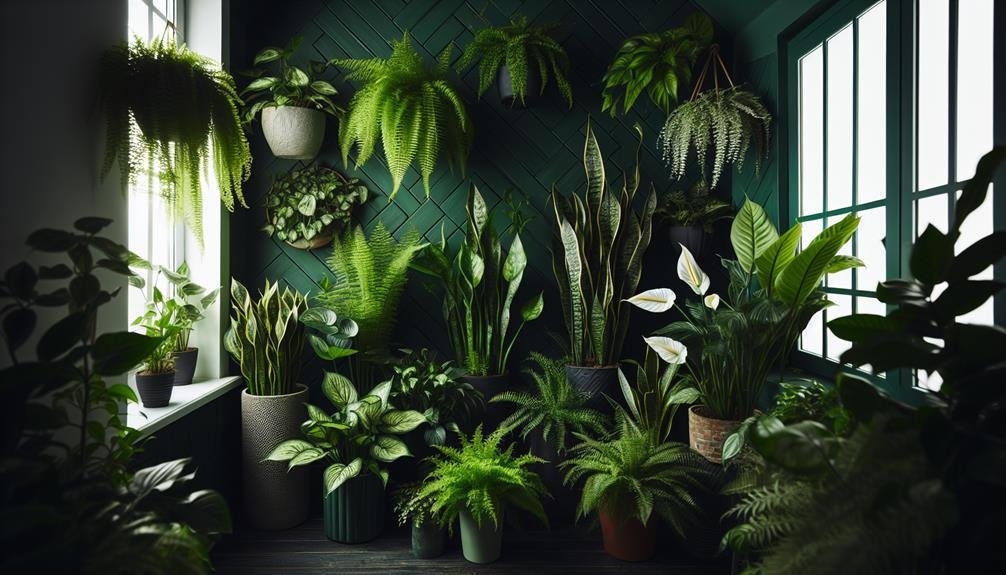
To successfully propagate plants indoors, you must choose the right plants, provide adequate light, maintain proper humidity levels, monitor watering carefully, and use quality soil and containers.
Ensuring the optimal conditions for indoor propagation can be a rewarding experience that not only enhances your space but also allows you to witness the growth and development of new life right before your eyes.
By following these five key tips, you can set yourself up for a flourishing indoor garden that brings joy and tranquility to your surroundings.
Choose the Right Plants
When selecting plants for indoor propagation, consider the amount of sunlight they require to thrive. Some plants, like succulents and cacti, prefer bright, direct sunlight, while others such as ferns and peace lilies thrive in low light conditions. Understanding the light requirements of your chosen plants is crucial for their successful growth indoors.
Additionally, think about the space you have available for indoor propagation. Some plants, like creeping figs or spider plants, are excellent choices for hanging baskets or small shelves. On the other hand, larger plants like fiddle leaf figs or rubber trees require more floor space to grow comfortably.
Moreover, consider the level of maintenance you're willing to provide. Some plants, such as pothos or snake plants, are resilient and require minimal care, making them perfect for beginners. If you're up for a challenge, you may opt for more demanding plants like orchids or fiddle leaf figs, which require specific care routines to thrive indoors.
Provide Adequate Light
To ensure successful indoor propagation, make sure to provide your plants with adequate light to support their growth and development. Light is essential for photosynthesis, the process by which plants convert light into energy for growth.
When choosing a spot for your indoor plants, opt for areas with bright, indirect sunlight. South-facing windows often provide the ideal light conditions for a variety of plants. If natural light is limited, you can supplement with artificial grow lights designed specifically for indoor plants. These lights mimic the spectrum of natural sunlight and ensure your plants receive the necessary light energy.
Remember to rotate your plants regularly to promote even growth as they tend to lean towards the light source. Keep an eye on your plants for any signs of light deficiency, such as yellowing leaves or stunted growth. Adjust the placement of your plants or increase the duration of artificial light exposure if needed.
Maintain Proper Humidity Levels
Maintaining proper humidity levels is crucial for the health and growth of your indoor plants. Indoor plants often thrive in environments with humidity levels between 40% and 60%. To ensure your plants are happy, consider using a hygrometer to monitor humidity levels regularly.

If the air in your home is too dry, especially during the winter months when heating systems can lower humidity, you can increase moisture by misting your plants with water. Placing a tray of water near your plants or using a humidifier can also help elevate humidity levels.
On the other hand, if the air is too humid, you can improve air circulation by using a fan or opening windows periodically. Remember that different plants have varying humidity preferences, so it's essential to research the specific needs of each plant you're propagating.
Monitor Watering Carefully
Properly monitoring the watering of your indoor plants is essential for their health and growth. Overwatering can lead to root rot, while underwatering can cause wilting and stunted growth. To ensure optimal watering, stick your finger into the soil about an inch deep. If it feels dry, it's time to water. Different plants have different watering needs, so it's crucial to research each plant species you have. Consider factors like the plant's size, the pot size, and the humidity levels in your home.
Using a watering can with a narrow spout can help you target the water directly at the base of the plant, preventing water from pooling on the leaves or overflowing from the pot. It's important to allow excess water to drain out of the pot to prevent waterlogging. Remember, consistency is key when it comes to watering, so establish a routine based on your plant's specific needs. By monitoring your watering habits closely, you can help your indoor plants thrive and grow beautifully.
Use Quality Soil and Containers
Ensure your indoor plants thrive by selecting quality soil and containers that promote healthy growth. The soil you choose plays a crucial role in providing essential nutrients and aeration for your plants. Opt for a well-draining potting mix specifically formulated for indoor plants to prevent waterlogging and root rot.
Look for containers with drainage holes to allow excess water to escape, preventing water from pooling at the bottom and causing harm to your plants' roots. Additionally, consider the size of the container in relation to the plant's root system; a container that's too large can lead to overwatering, while one that's too small may restrict growth.
When repotting, gently loosen the roots and place them in fresh soil, ensuring they've enough space to spread out and thrive. By investing in quality soil and containers, you provide your indoor plants with a solid foundation for successful propagation and long-term health.
Frequently Asked Questions
How Can I Prevent Pests and Diseases From Affecting My Indoor Propagated Plants?
To prevent pests and diseases from affecting your indoor propagated plants, make sure to regularly inspect your plants for any signs of trouble. Keep the area clean and well-ventilated, and avoid overwatering as it can attract pests.
Consider using natural remedies or organic pesticides if needed. Remember, early detection is key to preventing infestations. Stay proactive in caring for your plants to keep them healthy and thriving indoors.
Is It Necessary to Fertilize Indoor Propagated Plants, and if So, How Often Should I Do So?
You should fertilize indoor propagated plants to provide essential nutrients for healthy growth. It's necessary as plants may deplete soil nutrients over time.
Use a balanced fertilizer and follow the instructions for frequency. Typically, fertilizing every 2-4 weeks during the growing season is recommended. Adjust based on plant type, size, and specific needs.
What Are Some Common Mistakes to Avoid When Propagating Plants Indoors?
When propagating plants indoors, it is essential to avoid overwatering to prevent root rot. Make sure your cuttings receive sufficient light, but avoid direct sunlight to prevent scorching. Regularly inspect your plants for pests and diseases to catch any issues early. Additionally, maintain appropriate humidity levels for your plant species to support successful propagation.
By following these steps, you can increase your chances of successful indoor propagation.
Keep an eye out for any changes in your plants' health and adjust your care routine accordingly to ensure optimal growth and propagation results.
How Can I Encourage Faster Growth and Healthier Roots in My Indoor Propagated Plants?
To encourage faster growth and healthier roots in your indoor propagated plants, provide adequate light, water, and nutrients. Ensure your plants receive the right amount of sunlight, keep the soil moist but not waterlogged, and use a balanced fertilizer.
Proper ventilation and maintaining consistent temperatures also support plant growth. Regularly check for pests and diseases, and repot your plants when they outgrow their containers to promote healthy root development.
Are There Any Special Tools or Equipment That Are Essential for Successful Indoor Propagation?
You don't need fancy gear for indoor propagation, but a few basics can help. A good starter kit includes trays, pots, a spray bottle, and a light source. These essentials will set you up for success in growing your plants indoors.
Conclusion
Now that you have learned the 5 best tips for successful indoor propagation, you're ready to start growing your own plants with confidence.
Remember to choose the right plants, provide adequate light, maintain proper humidity levels, monitor watering carefully, and use quality soil and containers.
By following these tips, you can ensure that your indoor plants thrive and flourish.
Happy propagating!