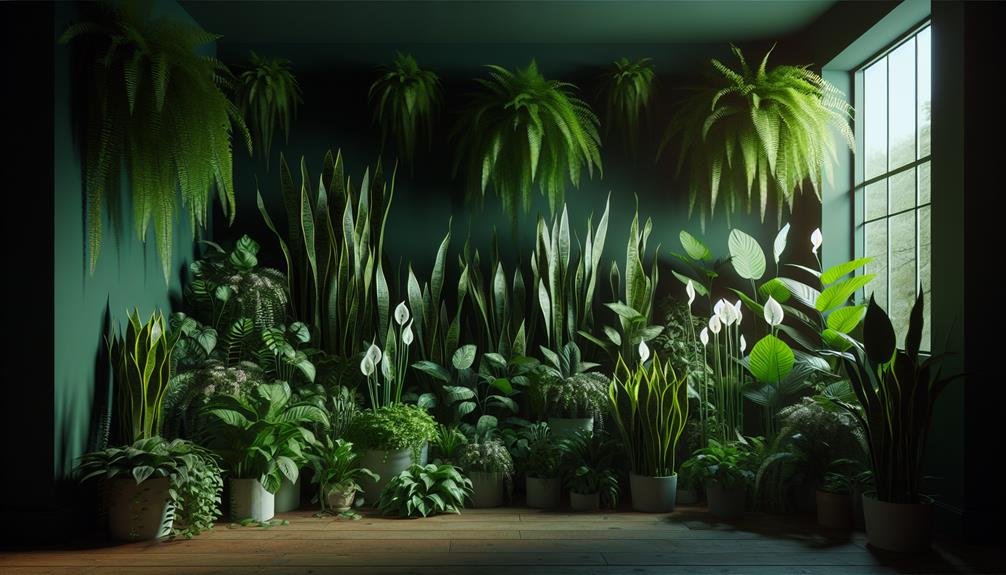
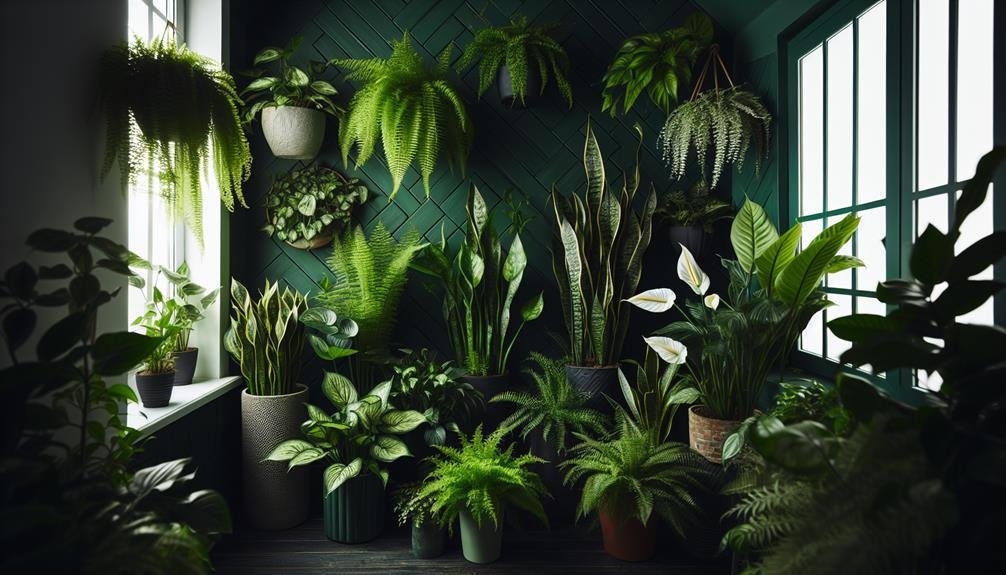
Did you know that there are houseplants out there that can survive even the most neglectful of caretakers? If you've been wanting to add some greenery to your living space but worry about your lack of a green thumb, fear not.
These 5 hardy houseplants are perfect for beginners, requiring minimal maintenance and still flourishing beautifully. From the striking Snake Plant to the delicate Peace Lily, each of these plants brings its unique charm to your home.
So, why not give one of them a try and see the difference they can make in your space?
Snake Plant
When choosing a hardy houseplant for beginners, consider the low-maintenance Snake Plant. This plant is a fantastic choice for those new to indoor gardening due to its resilience and ability to thrive with minimal care. The Snake Plant, also known as Sansevieria, is renowned for its air-purifying qualities, making it an excellent addition to any home.
One of the key advantages of the Snake Plant is its ability to tolerate low light conditions, making it suitable for various indoor environments. This means you won't have to worry about constantly moving it around to find the perfect lighting spot. Additionally, this plant has a unique growth pattern with upright, sword-shaped leaves that can add a touch of elegance to your living space.
Another great feature of the Snake Plant is its water efficiency. You won't need to water it frequently, as it stores water in its leaves. This means you can enjoy having a green companion without the stress of maintaining a strict watering schedule. Overall, the Snake Plant is a wonderful choice for beginners looking to bring some greenery into their homes effortlessly.
Spider Plant
Consider adding the Spider Plant to your collection of hardy houseplants, another excellent choice for beginners due to its resilience and easy care requirements. Spider Plants, with their elongated leaves and striking appearance, are known for their air-purifying qualities, making them a popular choice for indoor spaces. These plants thrive in indirect sunlight and only require occasional watering, making them low-maintenance and perfect for those new to plant care.
One of the Spider Plant's most appealing features is its ability to produce baby plantlets, also known as spiderettes, which dangle down from the mother plant like spiders on a web. These spiderettes can be easily propagated to grow new plants, allowing you to expand your green collection without much effort.
Spider Plants are also safe for pets, so you can enjoy their beauty without worrying about any harmful effects on your furry friends.
Pothos
One versatile and resilient houseplant for beginners is the Pothos, known for its ability to thrive in various indoor conditions. Pothos, also referred to as Devil's Ivy, features heart-shaped leaves that come in different shades of green, making it a visually appealing addition to any space. This plant is incredibly low-maintenance and can tolerate low light levels, making it perfect for those new to plant care.

Pothos is an excellent choice for busy individuals or those who may forget to water their plants regularly. It only requires watering when the soil is dry to the touch, making it quite forgiving if you occasionally neglect it. Additionally, Pothos is known for its air-purifying qualities, helping to improve the air quality in your home.
To care for your Pothos, place it in indirect sunlight and watch it grow rapidly with minimal effort. You can also easily propagate Pothos by rooting cuttings in water, allowing you to expand your plant collection effortlessly. With its durability and beauty, Pothos is a fantastic choice for beginner indoor gardeners.
ZZ Plant
The ZZ Plant, also known as Zamioculcas Zamiifolia, is a hardy and low-maintenance houseplant suitable for beginners. This plant is perfect for those who tend to forget watering schedules, as it can survive long periods without water. ZZ Plants have shiny, dark green leaves that add a touch of elegance to any room.
When caring for your ZZ Plant, place it in indirect light to keep it thriving. This plant can tolerate low light conditions, making it versatile for various environments in your home. Water your ZZ Plant only when the soil is completely dry, as overwatering can lead to root rot.
One of the best features of the ZZ Plant is its ability to purify the air by removing toxins, creating a healthier indoor environment for you and your family. Additionally, this plant is resistant to pests and diseases, making it a hassle-free option for beginners. With minimal effort, you can enjoy the beauty and benefits of the ZZ Plant in your home.
Peace Lily
A popular choice for indoor gardening beginners, the Peace Lily, scientifically known as Spathiphyllum, is a versatile and elegant houseplant. With its deep green leaves and delicate white flowers, this plant adds a touch of serenity to any space. Peace Lilies aren't only beautiful but also relatively low maintenance, making them perfect for those new to plant care.
One of the key benefits of Peace Lilies is their ability to thrive in low light conditions, making them ideal for rooms with minimal sunlight. They also help improve indoor air quality by removing toxins like formaldehyde and benzene, creating a healthier environment for you to enjoy.
When it comes to watering, Peace Lilies are quite forgiving. They'll droop when they need water but quickly perk up after a good drink. Just make sure not to overwater, as they prefer slightly moist soil rather than being waterlogged.
Frequently Asked Questions
Can These Hardy Houseplants Be Placed Outdoors in Direct Sunlight?
You shouldn't place these hardy houseplants outdoors in direct sunlight. While they're robust and beginner-friendly, direct sunlight can be too harsh for them.
These plants typically thrive in indoor environments with bright, indirect light. Placing them outside in direct sunlight might lead to sunburn and damage their leaves.
Stick to their ideal indoor setting for the best growth and health of your hardy houseplants.
How Often Should I Fertilize These Plants to Keep Them Healthy?
To keep your plants healthy, fertilize them every 4-6 weeks during the growing season. Make sure to use a balanced fertilizer to provide essential nutrients.
Over-fertilizing can harm the plants, so follow the instructions on the fertilizer packaging. Remember, it's better to under-fertilize than to overdo it.
Regular feeding will help your plants thrive and stay strong.
Are These Plants Safe for Pets, Such as Cats and Dogs, to Be Around?
When it comes to pets, you may wonder if these plants are safe for cats and dogs to be around. It's essential to know that some houseplants can be toxic to pets if ingested. Always research each specific plant to ensure it's pet-friendly.
Keep your furry friends safe by choosing non-toxic plants or placing toxic ones out of their reach. Prioritize your pets' well-being by being cautious with the plants you bring into your home.
Do These Houseplants Require Any Special Pruning or Trimming to Maintain Their Shape?
To keep these houseplants looking neat and healthy, a bit of pruning or trimming may be needed from time to time. Regularly trimming back any leggy growth or removing dead leaves can help maintain their shape and promote new growth.
Just remember not to go overboard with the trimming, as some houseplants can be sensitive to excessive pruning. With a little care and attention, you can easily keep your plants looking their best.
Are There Any Common Pests or Diseases That These Plants Are Prone To, and How Can They Be Treated or Prevented?
When caring for these plants, you may encounter common pests like aphids, spider mites, or mealybugs, as well as diseases such as powdery mildew or root rot.
To prevent infestations, regularly inspect your plants and keep them clean. If you notice any issues, treat them promptly by gently wiping leaves with soapy water or using neem oil. Proper watering and good air circulation can also help prevent these problems.
Conclusion
Congratulations! You've now learned about five hardy houseplants that are perfect for beginners.
With their low maintenance needs and ability to thrive in various conditions, these plants are great options for anyone looking to add some greenery to their home.
Whether you choose a Snake Plant, Spider Plant, Pothos, ZZ Plant, or Peace Lily, you can enjoy the benefits of having indoor plants without all the hassle.
Happy planting!