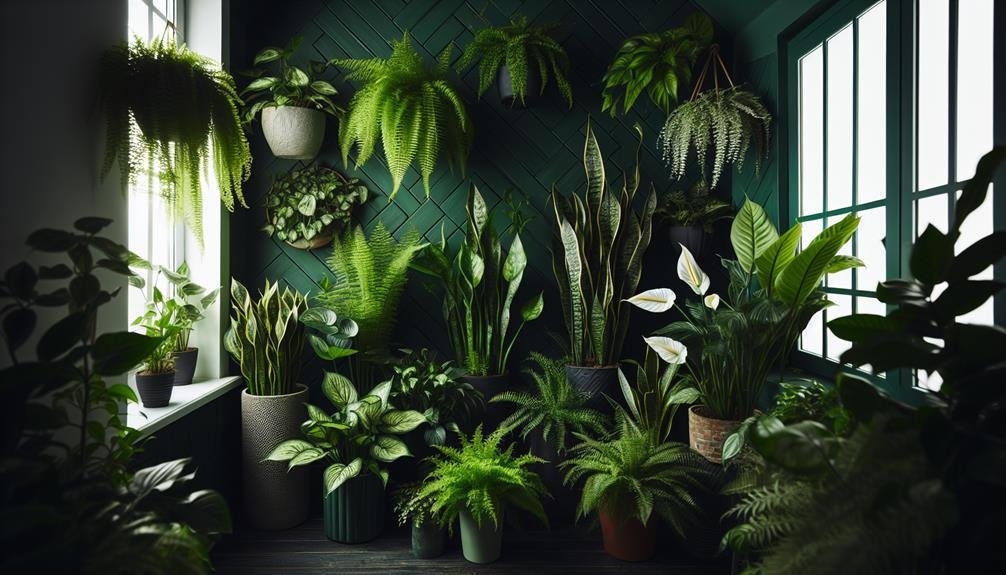
To propagate your houseplants successfully, mastering the method is key. But what about the other factors that can influence your propagation project?
From optimal conditions to selecting the right parent plants, each step plays a pivotal role in your success.
Stay tuned to uncover the secrets behind successful houseplant propagation and watch your green thumb skills flourish like never before.
Choosing the Right Method
When propagating houseplants, you need to consider the right method for each plant species to ensure successful growth. Different plants require specific propagation techniques to thrive. For example, some plants, like pothos and spider plants, can be easily propagated from cuttings in water. Simply snip a healthy stem, place it in a jar of water, and wait for roots to develop.
On the other hand, succulents are best propagated by taking leaf cuttings and allowing them to callus before planting them in well-draining soil.
For plants like snake plants or sansevierias, division is a common propagation method. Carefully separate the plant into smaller sections ensuring each has roots attached. Once divided, replant the sections in fresh soil.
Air layering is another technique suitable for plants with woody stems like rubber plants. This involves creating a small wound on a stem, covering it with rooting hormone, and then wrapping it in moist sphagnum moss until roots form.
Providing Optimal Conditions
To ensure successful growth during houseplant propagation, it's essential to provide optimal conditions for the plants. Start by choosing a well-lit area but avoid direct sunlight, as it may harm delicate cuttings. Maintain a consistent temperature between 65-75°F (18-24°C) to promote healthy growth. Humidity is crucial for propagation, so consider using a humidity dome or misting the plants regularly.
When it comes to soil, opt for a well-draining mix to prevent waterlogging, which can lead to root rot. Keep the soil consistently moist but not soggy, as overwatering can be detrimental to the young plants. Fertilize sparingly, as too much can burn the delicate roots. Consider using a diluted, balanced fertilizer every few weeks during the growing season.
Lastly, provide good air circulation to prevent fungal diseases and encourage sturdy growth. Avoid overcrowding plants, as this can lead to increased humidity levels and potential pest problems. By creating these optimal conditions, you set your houseplants up for successful propagation and healthy development.

Selecting Healthy Parent Plants
For successful houseplant propagation, start by selecting parent plants that are healthy and vigorous. Choosing robust parent plants increases the chances of successful propagation. Look for plants with vibrant green leaves, sturdy stems, and no signs of disease or pests. Inspect the overall health of the plant, including the root system, to ensure it can support the propagation process.
Healthy parent plants are more likely to produce strong offspring with better growth potential. Avoid selecting plants that are stressed, leggy, or showing any signs of nutrient deficiencies. Opt for plants that have been well cared for with proper watering, lighting, and nutrition.
When choosing parent plants, consider the specific species and variety you want to propagate. Some plants propagate more easily than others, so select ones that are known to be suitable for propagation. By starting with healthy parent plants, you set the foundation for successful propagation and the growth of thriving new plants in your indoor garden.
Proper Timing for Propagation
Consider the season and growth stage of your parent plants to determine the proper timing for propagation. Different plants have specific times when they're most conducive to propagation. For many houseplants, spring and early summer are ideal times for propagation as this is when they're actively growing. During this period, plants have more energy and are better able to root new cuttings.
If you have a plant that's a late bloomer or goes dormant in the winter, it might be best to wait until it starts showing signs of new growth before attempting propagation. Trying to propagate a plant during its dormant phase may result in unsuccessful root development.
On the other hand, if you have a plant that's a vigorous grower year-round, you may have more flexibility in when you can propagate it.
Monitoring Growth and Progress
Keep a close eye on the growth and progress of your propagated plants to ensure they're developing as expected. Regular monitoring allows you to catch any issues early on and make necessary adjustments to promote healthy growth. Inspect the plants regularly for signs of new growth, such as leaves, roots, or stems. Changes in color, texture, or size can indicate whether the plant is thriving or encountering problems.
Measure the growth of your propagated plants periodically to track their progress. Use a ruler or measuring tape to note any increase in height or width. This information can help you gauge the effectiveness of your propagation methods and adjustments needed for optimal growth.
Take note of the environmental conditions surrounding your propagated plants. Factors like light exposure, temperature, and humidity levels can significantly impact their development. Adjust these variables as needed to create an ideal growing environment for your plants.
Frequently Asked Questions
Can Houseplants Be Propagated Using Water Propagation Methods Like Hydroponics or Aquaponics?
Yes, you can propagate houseplants using water propagation methods like hydroponics or aquaponics. Both techniques involve growing plants in water, but hydroponics uses nutrients added to the water, while aquaponics integrates fish waste to provide nutrients.
These methods are effective for certain plant species and can be a fun and rewarding way to propagate your houseplants. Just ensure you research the specific needs of your plants before starting the process.
How Can I Prevent Pests and Diseases From Affecting My Propagated Houseplants?
To prevent pests and diseases from harming your propagated houseplants, ensure good hygiene by cleaning tools and pots regularly. Keep an eye out for any signs of pests or diseases like yellowing leaves or unusual spots.
Consider using natural pest control methods like neem oil or insecticidal soap. Quarantine new plants before adding them to your collection to prevent introducing any unwanted guests.
Proper care and monitoring will help keep your plants healthy.
Can I Propagate Multiple Different Types of Houseplants Together in the Same Container?
You should avoid propagating different types of houseplants together in the same container. Each plant has its own specific needs for growth and care. Mixing them together can lead to issues like competition for resources or the spread of diseases.
It's best to keep each plant separate during propagation to ensure they have the best chance to thrive and grow successfully.
Is It Possible to Propagate Houseplants Using Artificial Lighting Instead of Natural Sunlight?
Yes, you can propagate houseplants using artificial lighting instead of natural sunlight.
Artificial lights like fluorescent or LED can provide the necessary light spectrum for successful propagation. Ensure the lights are positioned at the right distance from the plants and keep them on for the appropriate amount of time each day.
Monitor the growth and adjust as needed. With the proper setup, artificial lighting can effectively support your houseplant propagation efforts.
Are There Any Specific Techniques for Propagating Succulents and Cacti Compared to Other Types of Houseplants?
When propagating succulents and cacti, it's crucial to remember their unique needs. These plants thrive in well-draining soil to prevent root rot. Unlike other houseplants, succulents prefer drier conditions and should be watered sparingly.
Additionally, many succulents can be propagated from leaves or cuttings, making them a fun and rewarding plant to grow. Ensure your succulents receive adequate sunlight and warmth for successful propagation.
Conclusion
In conclusion, by following these tips for successful houseplant propagation, you can increase your chances of growing healthy and thriving plants.
Remember to choose the right method, provide optimal conditions, select healthy parent plants, time your propagation correctly, and monitor growth and progress regularly.
With a little patience and care, you can enjoy the satisfaction of propagating your own beautiful houseplants.
Happy gardening!