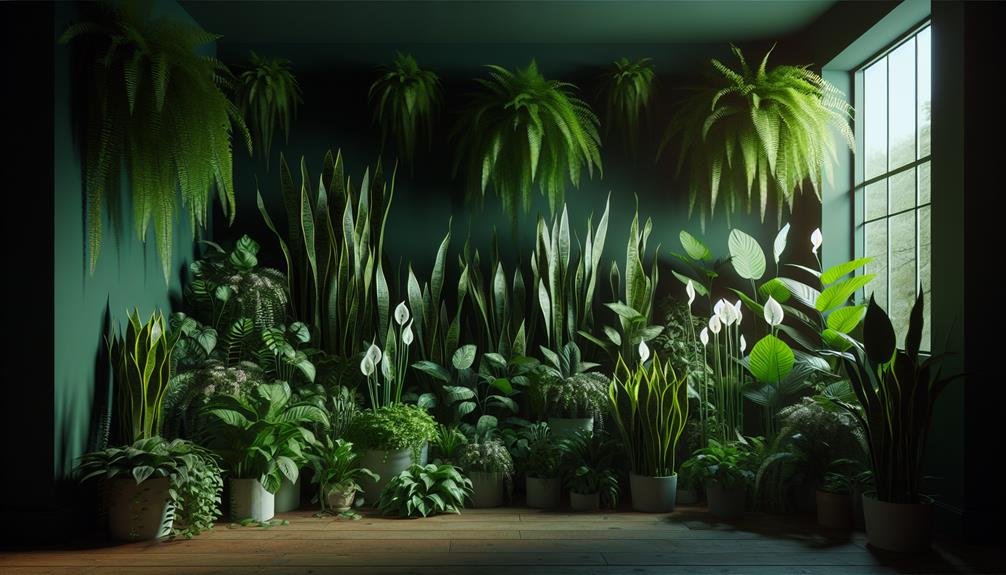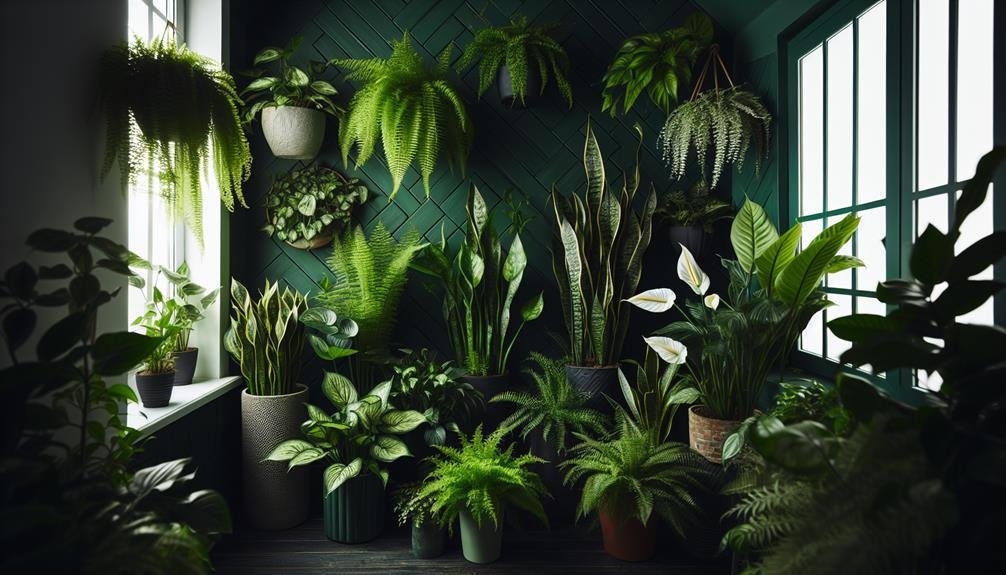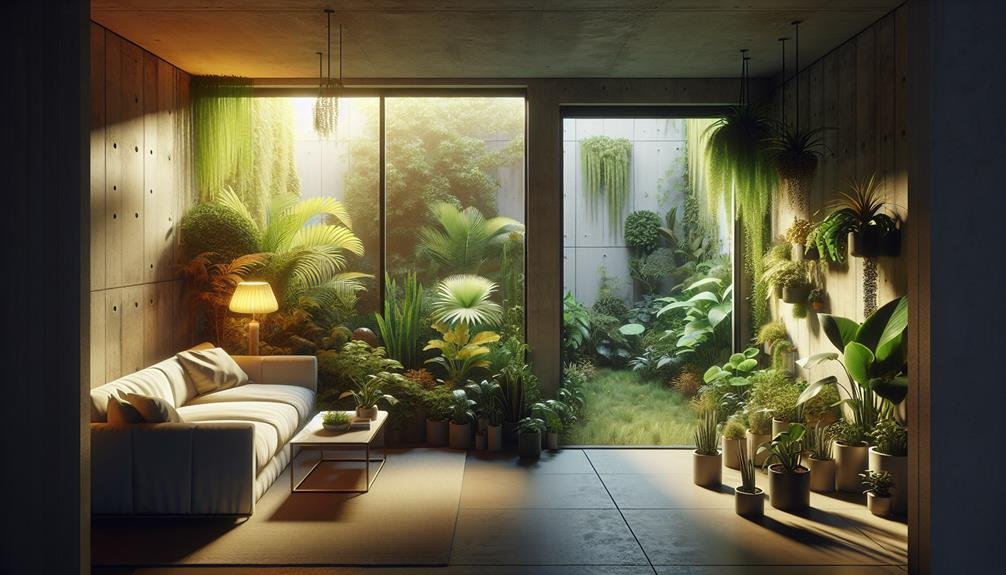
Imagine stepping into a serene oasis where lush greenery surrounds you, creating a peaceful retreat from the chaos of daily life. Now, picture the benefits of having 80% of your plants indoors, where you can enjoy their beauty and purifying effects year-round.
But what about the remaining 20% of outdoor plants? How do they contribute to your well-being and the overall balance of your green space? Let's explore the importance of both indoor and outdoor plants, and how you can achieve harmony by incorporating a variety of plant life in your surroundings.
Benefits of Indoor Plants
Discover how indoor plants can enhance your living space with their air-purifying qualities and aesthetic appeal. Indoor plants are more than just decorations; they also have numerous health benefits. Plants like spider plants, pothos, and peace lilies are known for their ability to purify the air by removing toxins and producing oxygen. Having these plants in your home can help improve air quality, reduce stress levels, and boost your overall well-being.
In addition to their air-purifying qualities, indoor plants can also add a touch of nature to your indoor environment. The vibrant green colors and unique shapes of different plant varieties can create a calming and visually pleasing atmosphere in any room. Whether you place them on shelves, tables, or hang them from the ceiling, indoor plants can instantly liven up your living space and make it more inviting.
Furthermore, taking care of indoor plants can be a rewarding hobby that allows you to connect with nature and cultivate a sense of responsibility. Watering, pruning, and observing the growth of your plants can be a therapeutic and fulfilling experience that brings a sense of joy and accomplishment. So, consider adding some indoor plants to your home today and enjoy the benefits they bring to your living space.
Importance of Outdoor Plants
Enhance your outdoor space by recognizing the vital role that outdoor plants play in promoting biodiversity and creating a sustainable ecosystem. Outdoor plants are essential for maintaining a healthy environment as they support various forms of wildlife by providing food, shelter, and breeding grounds. By cultivating a diverse range of outdoor plants in your garden or yard, you contribute to the overall balance of the ecosystem.
Outdoor plants also help improve air quality by absorbing carbon dioxide and releasing oxygen through the process of photosynthesis. They act as natural air purifiers, filtering out pollutants and enhancing the overall well-being of the environment. Additionally, outdoor plants play a crucial role in preventing soil erosion, regulating water runoff, and maintaining the fertility of the soil.
Furthermore, outdoor plants contribute to the aesthetic appeal of your outdoor space, creating a peaceful and relaxing atmosphere. Whether you have a small balcony or a spacious garden, incorporating outdoor plants can transform your outdoor area into a vibrant and thriving ecosystem. Embrace the importance of outdoor plants and enjoy the numerous benefits they bring to your surroundings.
Creating a Balanced Green Space
To establish a harmonious green space, consider the strategic placement of various plant species to ensure a well-balanced ecosystem.
Start by assessing the lighting conditions in your indoor and outdoor areas. Place light-loving plants like succulents and cacti near windows or in sunny spots outdoors, while shade-tolerant plants such as ferns and peace lilies can thrive in shadier corners.

Mixing plants of different heights and textures adds visual interest and promotes biodiversity. Tall plants like palms or dracaenas can provide a vertical element, while bushy plants like pothos or philodendrons fill out the space.
Incorporating a variety of plant types also helps create a balanced environment. Include flowering plants for bursts of color, air-purifying plants like spider plants or snake plants for improved air quality, and edible plants like herbs or vegetables for a functional touch.
Grouping plants with similar care requirements together simplifies maintenance and ensures each plant receives adequate attention.
Care Tips for Indoor and Outdoor Plants
Taking proper care of your indoor and outdoor plants is essential to ensure their health and longevity. For indoor plants, make sure they receive adequate sunlight according to their specific needs. Water them regularly but be cautious not to overwater, as this can lead to root rot. Indoor plants benefit from occasional misting to maintain proper humidity levels. Additionally, remember to dust their leaves to allow for better absorption of sunlight.
Outdoor plants require attention to different factors. Ensure they're planted in suitable soil and receive the appropriate amount of sunlight for their species. Water outdoor plants deeply but infrequently to encourage deep root growth. Regularly check for pests and diseases, addressing any issues promptly. Pruning is essential for outdoor plants to promote healthy growth and flowering. Mulching can help retain moisture and suppress weeds around outdoor plants.
Maximizing Well-Being With Plant Variety
Diversifying the types of plants in your living spaces can significantly contribute to your overall well-being and satisfaction. Having a variety of plants not only adds visual interest but also offers a range of benefits for your mental and physical health. Different plants release varying levels of oxygen, humidity, and scents, creating a more dynamic and healthier indoor environment.
Incorporating a mix of flowering plants, succulents, and leafy greens can cater to different senses and preferences, enhancing your connection with nature. Flowering plants like orchids or peace lilies can brighten up your space and boost your mood with their vibrant colors. Succulents, such as aloe vera or jade plants, are easy to care for and can add a modern touch to your decor while purifying the air. Leafy greens like spider plants or pothos not only freshen the air but also promote relaxation and focus.
Frequently Asked Questions
How Can I Effectively Control Pests and Diseases in My Indoor Plants?
To effectively control pests and diseases in your indoor plants, start by regularly inspecting your plants for any signs of pests or diseases. Remove any affected leaves or plants promptly.
Consider using natural remedies like neem oil or insecticidal soap. Maintaining good air circulation and proper watering practices can also help prevent issues.
Remember to research specific pests and diseases that commonly affect indoor plants for targeted solutions.
Can Outdoor Plants Be Brought Indoors During Colder Months to Protect Them From Harsh Weather Conditions?
During colder months, bringing outdoor plants indoors can protect them from harsh weather conditions. This helps prevent frost damage and keeps your plants healthy.
Make sure to acclimate them slowly to avoid shock. Find a suitable location with enough sunlight and proper temperature. Check for pests before bringing them inside.
With proper care and attention, your outdoor plants can thrive indoors during the colder seasons.
Are There Any Specific Plants That Are Known to Improve Indoor Air Quality More Than Others?
When looking to improve indoor air quality, certain plants stand out. Peace lilies, spider plants, and snake plants are known for their air purifying qualities.
These plants can help reduce toxins in the air and create a healthier environment for you. Consider incorporating these plants into your indoor space for a breath of fresh air.
What Are Some Common Mistakes People Make When Trying to Create a Balanced Green Space in Their Home?
When creating a balanced green space at home, there are several key factors to consider.
Avoid overwatering your plants as too much water can lead to root rot. Make sure your plants get enough sunlight by placing them in well-lit areas; dark corners will hinder their growth.
Remember to rotate your plants occasionally to ensure even sunlight exposure on all sides. Don't forget to dust off your plant leaves regularly to allow them to photosynthesize efficiently.
How Can I Prevent Overwatering or Underwatering My Indoor and Outdoor Plants?
To prevent overwatering or underwatering your plants, it's crucial to understand their specific watering needs. Check the soil moisture regularly by sticking your finger in the soil.
Water only when the top layer feels dry. Ensure proper drainage to avoid waterlogged roots. Consider factors like humidity levels and sunlight exposure.
Conclusion
In conclusion, having a mix of 80% indoor plants and 20% outdoor plants can create a balanced green space that enhances your well-being. Indoor plants provide numerous benefits such as improved air quality and stress reduction, while outdoor plants connect you to nature and promote physical activity.
By caring for both types of plants and maximizing variety, you can enjoy the best of both worlds and create a harmonious environment for yourself.