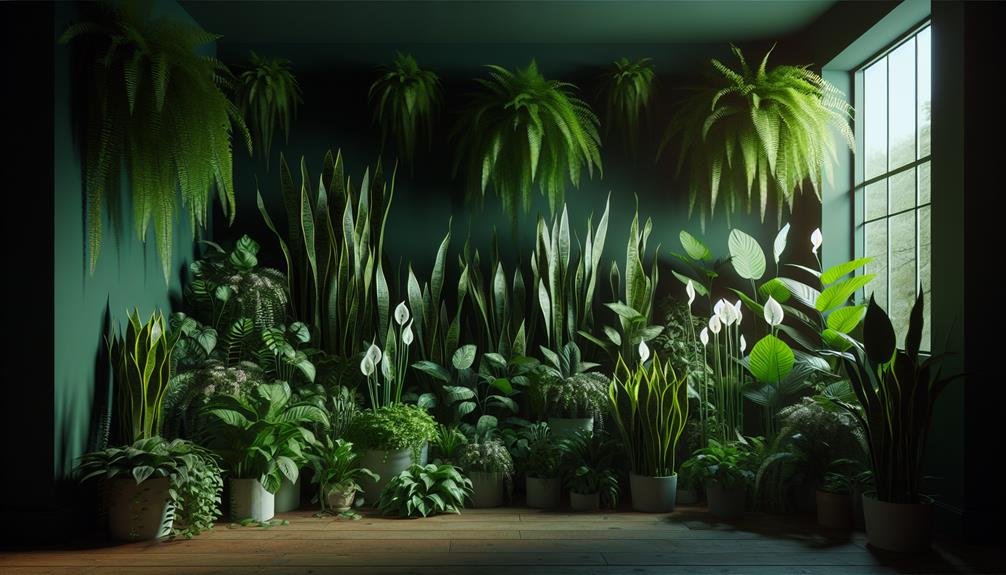
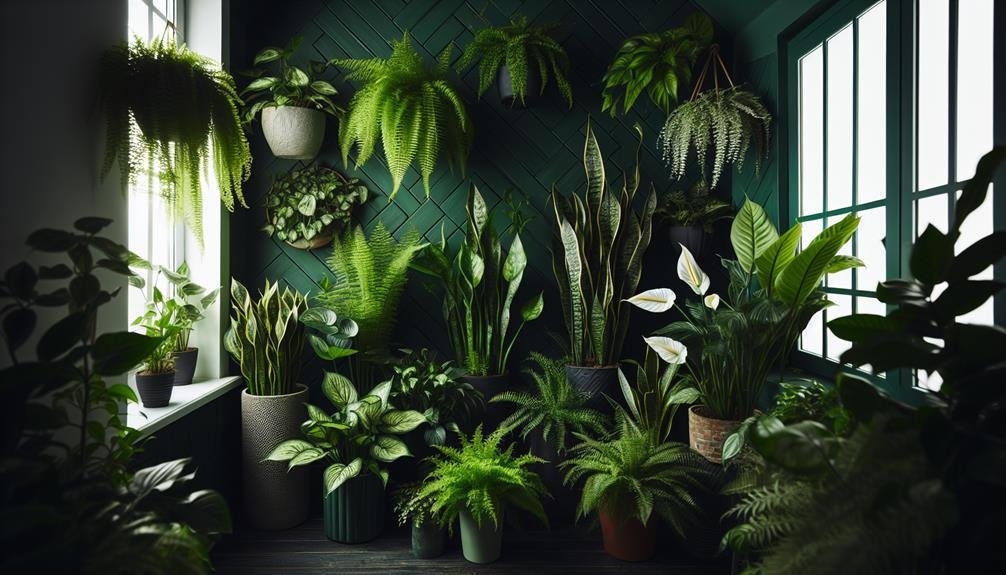
Curious about adding some greenery to your living space without risking your feline friend's well-being?
Imagine a home filled with lush plants that not only liven up your décor but also ensure your cat's safety.
With the list of the top 10 cat-safe houseplants we've compiled, you can create an environment that is both aesthetically pleasing and pet-friendly.
So, why not explore these options and give your home a natural touch while keeping your furry companion out of harm's way?
Spider Plant
Spider plants are an excellent choice for cat owners seeking safe houseplants. Not only are they easy to care for, but they're also non-toxic to cats, making them a worry-free addition to your home. These plants are visually appealing with their long, arching leaves that are often variegated with shades of green and white.
When it comes to placement, spider plants can thrive in a variety of lighting conditions, from bright indirect light to partial shade. This versatility means you can place them in different areas of your home, making them a convenient option for cat owners looking to add greenery to their space.
Caring for spider plants is straightforward. Regular watering to keep the soil slightly moist but not soggy, along with occasional misting to increase humidity, will keep your plant healthy and vibrant. Additionally, spider plants are known for producing offshoots called 'spiderettes,' which can be propagated to grow new plants, giving you the opportunity to expand your collection effortlessly.
Boston Fern
For cat owners looking to expand their collection of cat-safe houseplants, the Boston Fern is a popular choice due to its lush foliage and non-toxic nature. This elegant plant, with its arching fronds and vibrant green leaves, adds a touch of freshness to any room while being safe for your curious feline friend.
The Boston Fern thrives in indirect light and high humidity, making it a perfect fit for bathrooms or kitchens. It's relatively easy to care for, requiring regular watering to keep the soil moist but not waterlogged. Misting the fern or placing a tray of pebbles filled with water nearby can help maintain the humidity levels it prefers.
One thing to keep in mind with Boston Ferns is their sensitivity to dry air and drafts. If the fronds start to turn brown, it may be a sign that the plant isn't getting enough moisture. By providing the right environment, you can enjoy the beauty of the Boston Fern while keeping your beloved cat safe and happy.

Areca Palm
With its graceful fronds and tropical charm, the Areca Palm is a delightful addition to any cat-friendly home. This plant, also known as the Butterfly Palm, not only brings a touch of the tropics indoors but is also safe for your feline friends. The Areca Palm features long, arching fronds with feathery, thin leaflets that create a lush and airy appearance, adding a refreshing aesthetic to your living space.
Caring for an Areca Palm is relatively easy, making it a perfect choice for both experienced and novice plant owners. Place your palm in a well-lit area, avoiding direct sunlight that can scorch its leaves. Keep the soil consistently moist but not waterlogged, allowing the top inch to dry out before watering again. Regular misting or a humidifier can help mimic its native tropical environment and prevent browning of the leaf tips.
Not only is the Areca Palm a beautiful addition to your home decor, but it also serves as a safe and non-toxic option for households with curious cats, bringing a touch of nature without compromising your pet's safety.
Parlor Palm
Adding a touch of elegance and greenery to your cat-friendly home, the Parlor Palm is a low-maintenance and pet-safe houseplant option. This plant, with its graceful, arching fronds, isn't only visually appealing but also non-toxic to cats, making it a safe choice for pet owners. The Parlor Palm thrives in indirect light and can adapt well to various indoor conditions, making it suitable for different rooms in your home.
One of the key benefits of the Parlor Palm is its air-purifying qualities, helping to improve the air quality in your living space. This plant is easy to care for, requiring regular watering to keep the soil moist but not waterlogged. Additionally, occasional misting can help maintain the humidity levels that the Parlor Palm prefers.
When choosing houseplants for your cat-inhabited home, the Parlor Palm stands out as a beautiful and safe option that will bring a touch of nature indoors without posing a risk to your feline companions.
Peperomia
The Peperomia plant is a popular choice for cat-friendly households due to its compact size and attractive foliage. This plant comes in various leaf shapes, colors, and textures, adding a touch of greenery to your living space without posing a threat to your feline friends. Peperomias are low-maintenance plants that thrive in moderate light conditions, making them perfect for indoor environments.
These plants are known for their ability to adapt to different settings, making them ideal for beginners or those with busy schedules. Peperomias require infrequent watering, allowing you to enjoy their beauty without constant maintenance. Their small size makes them versatile for decorating shelves, desks, or small tables, adding a pop of color to any room.
When choosing a Peperomia for your home, consider varieties such as Peperomia obtusifolia (baby rubber plant) or Peperomia caperata (emerald ripple). These species aren't only safe for your cats but also aesthetically pleasing, enhancing the overall ambiance of your living space.
Polka Dot Plant
Consider adding a touch of whimsy to your home by bringing in a Polka Dot Plant. This charming houseplant, also known as Hypoestes phyllostachya, features striking pink, white, or red spotted leaves that add a pop of color to any room. The Polka Dot Plant isn't only visually appealing but also safe for your feline friends, making it a perfect choice for cat owners looking to brighten up their indoor space without compromising on their pet's safety.
This low-maintenance plant thrives in indirect sunlight and requires regular watering to keep the soil moist. With its bushy growth habit, the Polka Dot Plant can be easily pruned to maintain its shape and encourage new growth. You can place it in a hanging basket, on a shelf, or in a decorative pot to showcase its vibrant foliage.
When caring for your Polka Dot Plant, be sure to keep it out of direct sunlight to prevent leaf burn and water it consistently to maintain its lush appearance. By adding this delightful plant to your home, you can create a safe and stylish environment for both you and your beloved cat.
Friendship Plant
To introduce the 'Friendship Plant' into your cat-friendly home, opt for a variety of Pilea involucrata with its unique textured leaves. This charming plant, also known as the 'Moon Valley' plant, is a great choice for cat owners due to its non-toxic nature. The Friendship Plant thrives in indirect light and requires consistently moist soil to keep its foliage lush and vibrant. Its round, deeply ridged leaves add a touch of elegance to any space while remaining safe for your furry friends.
When caring for your Friendship Plant, be sure to keep it away from direct sunlight, as this can scorch its delicate leaves. Regularly misting the plant can help maintain the humidity levels it prefers. Additionally, occasional pruning will encourage new growth and keep the plant looking its best.
With its striking appearance and cat-friendly qualities, the Friendship Plant is a fantastic addition to your home, bringing both beauty and peace of mind.
African Violet
With its vibrant blooms and compact size, African Violets are a popular choice for indoor plant enthusiasts. These charming plants add a splash of color to your living space without posing a threat to your feline friends. African Violets thrive in bright, indirect light, making them perfect for windowsills or well-lit rooms.
To keep your African Violet healthy, water it when the top inch of soil feels dry to the touch, being careful not to let the plant sit in water as this can lead to root rot. Fertilize your African Violet monthly during the growing season to encourage consistent blooming. These plants prefer a slightly acidic soil, so consider using a specialized African Violet mix for optimal growth.
African Violets are relatively low-maintenance and can bloom almost year-round with proper care. Their delicate flowers come in a variety of colors, adding beauty and elegance to any room in your home. Consider adding an African Violet to your indoor garden for a touch of floral charm that both you and your cat can enjoy.
Calathea
A great addition to your cat-friendly indoor garden is the Calathea plant, known for its vibrant foliage patterns and unique leaf movements. This stunning plant comes in various species, each offering different colors and designs on their leaves, such as stripes, spots, and intricate patterns. Calatheas aren't only visually appealing but also relatively low-maintenance, making them perfect for both beginner and experienced plant owners.
One of the most intriguing features of Calatheas is their ability to move their leaves in response to environmental changes, earning them the nickname 'prayer plants.' Throughout the day, you may notice the leaves of your Calathea plant moving up and down, which adds an interactive element to your indoor garden. These plants thrive in indirect light and high humidity, making them ideal for bathrooms or kitchens.
When caring for your Calathea, make sure to keep the soil consistently moist but not waterlogged. Consider misting the leaves regularly to maintain the required humidity levels. With its striking appearance and fascinating leaf movements, the Calathea is sure to be a delightful addition to your cat-safe houseplant collection.
Money Tree
Consider adding a touch of prosperity to your cat-friendly home with the Money Tree plant. This popular houseplant, also known as Pachira aquatica, features braided trunks and vibrant green leaves, making it an attractive addition to any room. Not only is the Money Tree aesthetically pleasing, but it's also safe for your feline friend, giving you peace of mind.
The Money Tree is easy to care for, requiring moderate sunlight and watering only when the top inch of soil is dry. This low-maintenance plant can thrive in various indoor conditions, making it suitable for both experienced plant owners and beginners. Its resilience and adaptability make it a perfect choice for busy cat owners looking to incorporate greenery into their homes.
In addition to its decorative appeal and pet-friendly nature, the Money Tree is believed to bring good luck and fortune according to Feng Shui principles. So why not bring a bit of luck and prosperity into your home with this charming and safe plant?
Frequently Asked Questions
Can These Houseplants Be Safely Ingested by Cats Without Causing Harm?
Yes, some houseplants can be safely ingested by cats without causing harm. It's crucial to research which plants are safe for your furry friends.
Always be cautious and consult with a veterinarian if you suspect your cat has consumed a plant that might be toxic.
Keeping toxic plants out of reach is the best way to ensure your pet's safety and well-being.
Stay informed and prioritize your cat's health when choosing houseplants.
Are There Any Specific Care Tips for These Houseplants to Ensure They Remain Safe for Cats?
To keep your plants safe for cats, place them in areas that are inaccessible to your feline friends. Make sure to regularly inspect the plants for any signs of damage or wilting.
Keep the soil moist but not overly wet, as some cats may be attracted to damp soil. Avoid using any chemical fertilizers or pesticides that could be harmful if ingested by your curious pets.
Do These Houseplants Attract Any Insects or Pests That May Harm Cats?
When choosing houseplants that are safe for your cats, you may wonder if these plants attract insects or pests that could harm your feline companions.
It's essential to know that some plants may indeed draw in bugs, but with proper care and maintenance, you can minimize this risk.
Regularly inspecting your plants for any pests and promptly addressing any issues can help ensure a safe environment for your cats.
Are There Any Potential Allergic Reactions That Cats May Have to These Houseplants?
If you're wondering about potential allergic reactions that cats may have to certain houseplants, it's important to be cautious. Some plants can cause reactions like skin irritation, vomiting, or even more severe symptoms in cats.
Always research the specific plant and consult with a veterinarian to ensure your feline friend stays safe and healthy. Keeping your cat away from plants known to be harmful can help prevent any allergic reactions.
Can These Houseplants Be Toxic to Other Pets in the Household Besides Cats?
Other pets in your household might also be at risk of toxicity from certain houseplants. It's crucial to research each plant's potential effects on various animals. Some common houseplants can be harmful to dogs, birds, and other pets if ingested.
Take precautions by choosing non-toxic plants and keeping toxic ones out of reach. Always consult with a veterinarian if you suspect your pet has been exposed to a toxic plant.
Conclusion
Now that you know the 10 best cat-safe houseplants for your home, you can add some greenery without worrying about your furry friend getting sick.
Remember to always research any new plants before bringing them into your home to ensure they're safe for your cat.
With the right plants, you can create a beautiful and safe environment for both you and your pet.
Enjoy the benefits of these cat-friendly houseplants in your home!