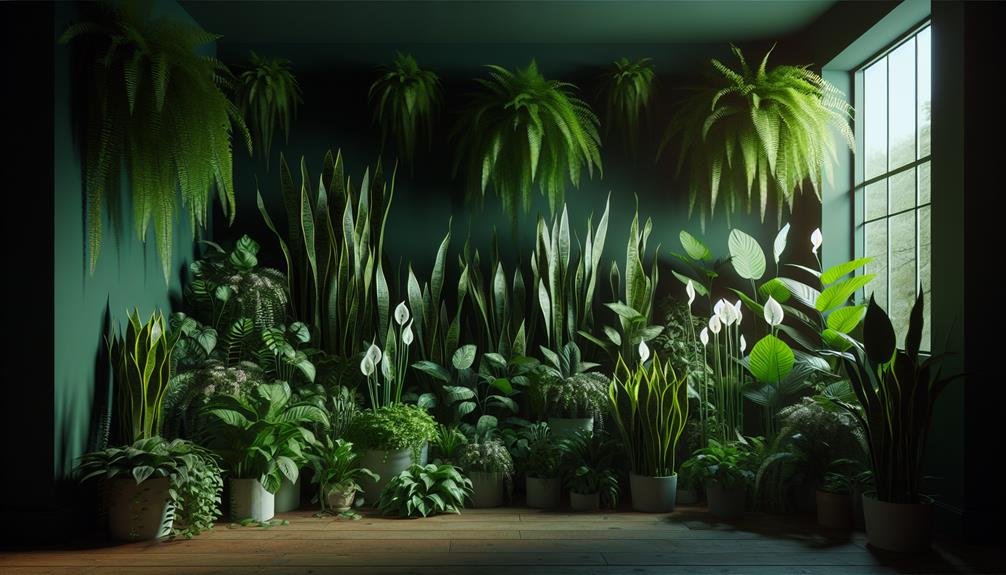
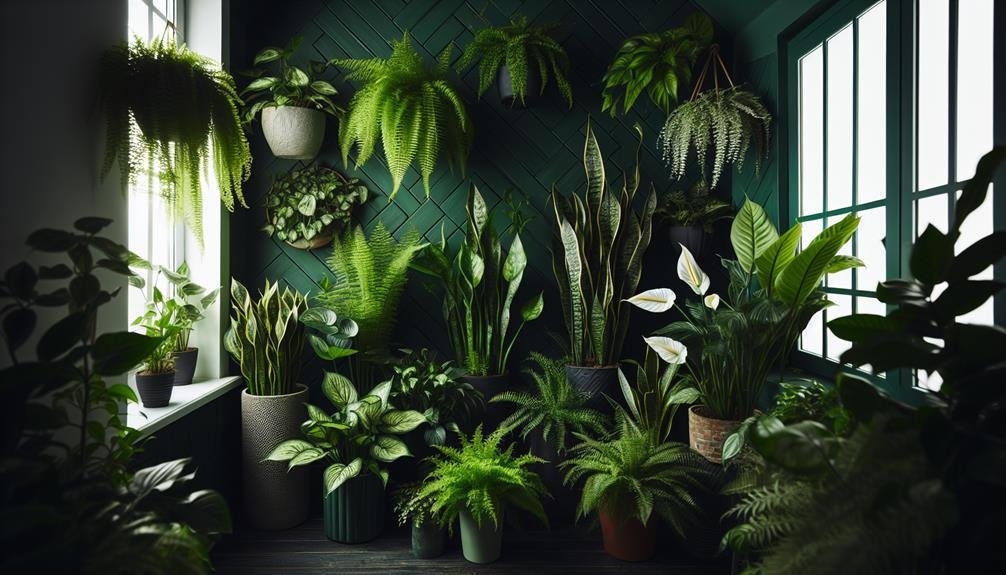
You might not realize it, but the simple addition of a few well-chosen leafy houseplants can completely transform the ambiance of your living room.
Picture a space that feels refreshed, vibrant, and inviting, all thanks to the green touch of carefully selected plants.
But how do you choose the right plants for your space, and what are the secrets to ensuring they thrive and enhance your living area?
Let's explore some top leafy houseplants that will not only breathe life into your room but also elevate its aesthetic appeal.
Benefits of Leafy Houseplants
Enhance your living space with leafy houseplants, bringing fresh air and a touch of nature indoors. Not only do these green beauties add aesthetic appeal to your home, but they also offer numerous benefits that can positively impact your well-being. Houseplants act as natural air purifiers, absorbing carbon dioxide and releasing oxygen, which can improve the air quality in your home. This can help reduce indoor air pollution and create a healthier environment for you to thrive in.
In addition to their air-purifying qualities, leafy houseplants have been shown to boost mood and reduce stress levels. The presence of plants in your living space can promote a sense of calmness and relaxation, creating a peaceful sanctuary for you to unwind after a long day. Caring for houseplants can also provide a sense of purpose and accomplishment, as you nurture and watch them grow and flourish under your care. So, consider incorporating leafy houseplants into your home decor to reap the many benefits they have to offer.
Choosing the Right Houseplants
Consider selecting houseplants that suit your lifestyle and living conditions to ensure their growth and well-being. When choosing the right houseplants, think about how much sunlight your living room receives. If your space is bright and sunny, plants like the fiddle leaf fig or spider plant thrive in such conditions. For lower light areas, consider plants such as pothos or peace lilies that can still flourish with less direct sunlight.
Another crucial factor is how much time you can dedicate to plant care. If you have a busy schedule, opt for low-maintenance plants like succulents or snake plants that require minimal attention. Conversely, if you enjoy tending to plants and have the time to devote to their care, you might consider more high-maintenance options like orchids or ferns.
Furthermore, consider the size of your living room and choose houseplants that fit the space appropriately. Large plants like rubber trees or monstera can make a bold statement in spacious rooms, while smaller plants like air plants or jade plants are ideal for adding greenery to smaller areas without overwhelming the space. By carefully selecting houseplants that align with your lifestyle and living conditions, you can create a harmonious and thriving indoor garden.
Placement Tips for Houseplants
Proper placement of houseplants is essential to ensure their health and growth in your living room space. When deciding where to put your leafy companions, consider their specific light and temperature needs. Place plants that require bright, indirect light near windows but shielded from direct sunlight to prevent leaf burn. For low-light plants, position them in corners with minimal natural light or use artificial grow lights to supplement.

Ensure good air circulation around your plants by avoiding overcrowding and placing them at a slight distance from walls or furniture.
Another crucial factor in plant placement is temperature. Most houseplants thrive in temperatures between 65-75°F (18-24°C). Keep them away from drafty areas like near air conditioning units or heaters. Also, avoid placing them near doors that open frequently, causing temperature fluctuations. If your living room tends to get too hot or cold, consider using a humidifier or adjusting the thermostat to create a comfortable environment for your leafy friends.
Maintenance and Care Guide
Keeping your houseplants healthy and vibrant requires regular maintenance and attentive care. Start by ensuring your plants receive adequate sunlight based on their specific needs.
Water your leafy houseplants consistently but be mindful not to overwater, as this can lead to root rot. A good rule of thumb is to check the soil moisture level before watering by sticking your finger about an inch deep into the soil. If it feels dry, it's time to water. Additionally, remember to dust your plant's leaves regularly to allow for proper absorption of sunlight.
Fertilize your houseplants every few weeks during their growing season to provide them with essential nutrients for healthy growth. Keep an eye out for pests such as spider mites or aphids, and promptly address any infestations to prevent damage to your plants. Finally, consider rotating your plants occasionally to ensure all sides receive equal sunlight and growth opportunities.
Styling Your Living Room With Plants
Enhance your living room ambiance with strategically placed leafy houseplants to create a natural and refreshing atmosphere. Consider grouping plants of varying heights and textures together in corners or near windows to add depth and visual interest. Tall plants like the fiddle leaf fig or a rubber plant can serve as focal points, while trailing plants like pothos or spider plants can cascade elegantly from shelves or hanging planters.
Mixing different types of planters such as ceramic, terracotta, or woven baskets can also add a decorative touch to your space. Place smaller plants on side tables or shelves to bring a pop of greenery to different levels of the room. Don't be afraid to experiment with plant placement until you find a configuration that complements your living room decor.
Remember to consider the lighting conditions in your living room when choosing plants. Opt for low-light varieties like snake plants or ZZ plants if your space doesn't receive a lot of natural light, or position plants that require more sunlight closer to windows. By incorporating leafy houseplants thoughtfully into your living room, you can create a stylish and inviting indoor oasis.
Frequently Asked Questions
Can Leafy Houseplants Help Improve Air Quality in My Living Room?
Yes, leafy houseplants can indeed help improve air quality in your living room. They're natural air purifiers, absorbing harmful toxins and releasing oxygen. By incorporating these plants into your space, you can enjoy fresher, cleaner air.
Make sure to choose plants like spider plants, peace lilies, or pothos for maximum air-purifying benefits. With a little greenery, you can enhance both the aesthetics and air quality of your living room.
Are There Any Common Pests or Diseases That Affect Leafy Houseplants?
Yes, there are common pests and diseases that can affect your leafy houseplants. Pests like spider mites, aphids, and mealybugs can infest your plants. Diseases such as powdery mildew and root rot are also common issues.
Regularly inspecting your plants for any signs of pests or diseases and providing proper care, such as appropriate watering and good air circulation, can help prevent these problems.
Do Leafy Houseplants Require Special Fertilizers or Soil Conditions?
When caring for leafy houseplants, it's important to provide them with special fertilizers and suitable soil conditions. These plants typically benefit from a balanced fertilizer specifically formulated for indoor plants.
Choose a well-draining soil mix that retains moisture without becoming waterlogged. Regularly monitoring the plant's growth and adjusting the fertilizing and soil conditions accordingly will help your leafy houseplants thrive in your living room space.
How Can I Prevent My Pets From Damaging or Eating My Leafy Houseplants?
To prevent your pets from damaging or eating your leafy houseplants, you can take several measures. One approach is to place the plants in hanging baskets or on tall shelves out of their reach. Another option is to consider spraying a pet-safe deterrent on the leaves or placing citrus peels around the base of the plants. Additionally, training your pets to avoid the plants and providing them with alternative safe chew toys can also help protect your leafy green friends.
Taking a combination of these steps can help create a pet-friendly environment for your plants while keeping your furry friends safe and happy.
Are There Any Specific Leafy Houseplants That Are Toxic to Children or Pets?
When choosing leafy houseplants, it's crucial to be aware of those that can be toxic to children or pets. Some common toxic plants include dieffenbachia, philodendron, and pothos. Make sure to keep these out of reach to ensure the safety of your loved ones.
It's always best to research each plant's toxicity levels and take precautions to prevent any accidental ingestion. Your family's well-being is a top priority when selecting indoor greenery.
Conclusion
In conclusion, adding leafy houseplants to your living room can transform the space into a lush and inviting oasis.
With the right selection, placement, and care, these plants not only enhance the aesthetics of your home but also provide numerous health benefits.
So go ahead, bring in some greenery and enjoy the beauty and freshness that houseplants can bring to your living room.