
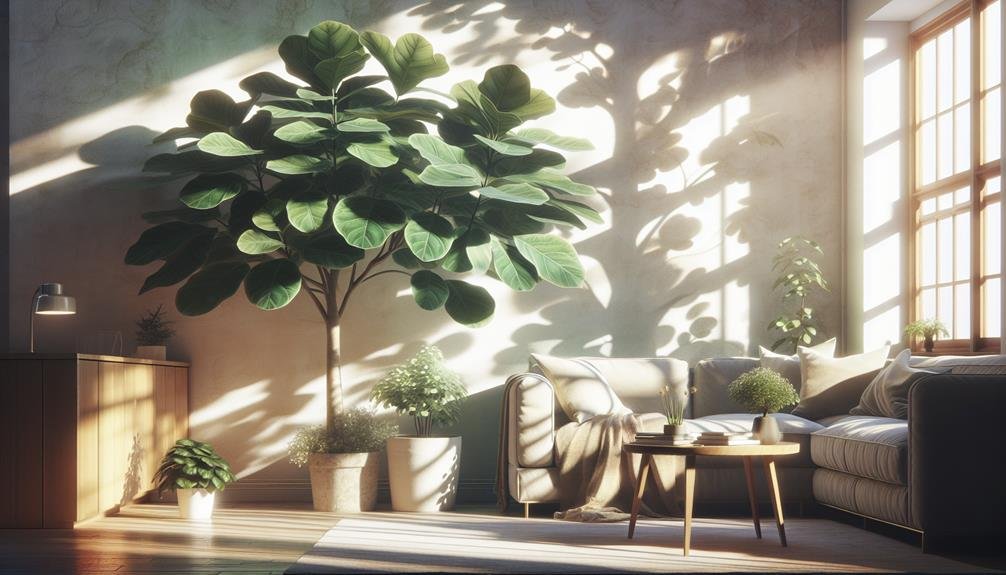
Have you ever wondered why large leafy houseplants seem to effortlessly elevate the ambiance of your living room?
These green beauties do more than just add a touch of nature to your space – they offer a multitude of benefits that go beyond mere aesthetics.
From purifying the air to creating a calming atmosphere, these leafy companions bring a sense of tranquility and style to your home.
But there's one key advantage that often goes unnoticed, and it might just surprise you.
Air-Purifying Properties
Did you know that certain large leafy houseplants have air-purifying properties? Having plants like the peace lily, spider plant, or snake plant in your living room can help filter out toxins and improve air quality. These plants work by absorbing harmful gases through their leaves and roots, releasing oxygen back into the air. Not only do they add a touch of greenery to your space, but they also serve as natural air purifiers, making your home a healthier environment to live in.
The peace lily, for example, is known for its ability to remove common indoor pollutants like formaldehyde, benzene, and trichloroethylene. Spider plants are excellent at combating carbon monoxide and xylene, while snake plants are effective in filtering out formaldehyde and nitrogen oxide. By incorporating these large leafy houseplants into your living room decor, you not only enhance the aesthetic appeal but also create a cleaner and fresher atmosphere for you and your family to enjoy.
Mood-Enhancing Benefits
Certain large leafy houseplants not only purify the air in your living room but also contribute to enhancing your mood. The presence of these green beauties can have a positive impact on your overall well-being. Studies have shown that being around houseplants can help reduce stress, anxiety, and fatigue. The sight of lush foliage and the act of caring for plants can create a calming effect, promoting relaxation and a sense of tranquility.
The natural color green, abundant in leafy houseplants, is known to have a soothing effect on the mind. It's associated with feelings of renewal, harmony, and freshness, which can uplift your mood and create a more positive atmosphere in your living space. Additionally, the act of nurturing and tending to your plants can provide a sense of purpose and fulfillment, boosting your mental health.
Incorporating large leafy houseplants into your living room decor can significantly enhance your mood and create a more peaceful and inviting environment for you to unwind and relax after a long day.
Stylish Decor Element
Large leafy houseplants serve as a stylish decor element that effortlessly elevates the aesthetic appeal of your living room. The lush green foliage adds a touch of nature indoors, creating a refreshing and vibrant atmosphere. These plants not only bring life to your space but also act as eye-catching statement pieces that can enhance the overall look of your living room.

The different shapes and sizes of large leafy houseplants offer versatility in styling options, allowing you to choose plants that complement your existing decor. Whether you prefer a modern, minimalist aesthetic or a cozy, bohemian vibe, there's a houseplant that can fit seamlessly into your design scheme. Additionally, the rich green color of the leaves can add depth and dimension to your living room, creating a visually appealing focal point.
Space-Enhancing Illusions
Enhancing the perceived space in your living room can be achieved through strategic placement and selection of large leafy houseplants that create optical illusions of depth and openness. By positioning taller plants towards the back of the room and shorter ones towards the front, you can create a sense of depth. The layers of greenery draw the eye towards the back, making the room appear larger than it actually is. Additionally, plants with broad leaves can give the impression of expansiveness. The large surface area of their foliage reflects light, brightening up the space and making it feel more open.
Moreover, using plants with cascading vines can visually elongate the room. Hanging planters or tall plants with drooping leaves draw the gaze upwards, making the ceiling seem higher and the room more spacious. These space-enhancing illusions can transform your living room into a welcoming and airy environment, perfect for relaxation and social gatherings.
Low-Maintenance Options
To simplify care and upkeep, consider opting for low-maintenance houseplants when selecting greenery for your living room. Low-maintenance options can bring nature indoors without requiring constant attention.
Snake plants are a popular choice, thriving in various light conditions and only needing occasional watering. Another excellent low-maintenance plant is the pothos, known for its ability to purify the air and tolerate different light levels.
Spider plants are also a great addition, as they're resilient and can adapt to various environments. Peace lilies aren't only beautiful but also relatively undemanding, needing water only when the soil is dry.
Lastly, ZZ plants are extremely resilient, able to survive with minimal light and water. Choosing low-maintenance houseplants can save you time and effort while still enjoying the benefits of a green living room.
With these options, you can effortlessly incorporate nature into your space without the stress of high maintenance.
Frequently Asked Questions
Are Large Leafy Houseplants Suitable for Homes With Pets?
Large leafy houseplants can be suitable for homes with pets, but it's important to choose pet-friendly options to keep your furry friends safe. Some plants may be toxic if ingested by pets, so research and opt for non-toxic varieties. Place plants out of reach or consider hanging planters to prevent curious pets from nibbling on them.
With the right precautions, you can enjoy both lush greenery and happy pets in your home.
What Are Some Common Pests That Can Affect Large Leafy Houseplants?
Common pests that can affect large leafy houseplants include spider mites, aphids, and mealybugs. These pests can damage your plants by feeding on their leaves, causing discoloration and stunted growth.
Regularly inspect your plants for any signs of infestation, such as webbing, sticky residue, or tiny insects. Treat infestations promptly with natural or chemical solutions to keep your plants healthy and thriving.
Can Large Leafy Houseplants Thrive in Low-Light Environments?
In low-light environments, large leafy houseplants can still thrive with proper care. While they may not grow as quickly or vibrantly as in well-lit areas, they can adapt by adjusting their growth patterns.
You should choose plant varieties that are known for their tolerance to low light and ensure they receive occasional exposure to brighter light to maintain their health. Regular watering and occasional fertilizing will also help them thrive in less sunny spaces.
How Often Should Large Leafy Houseplants Be Repotted?
When should large leafy houseplants be repotted?
It's crucial to monitor root growth. If roots are circling the pot's bottom or pushing through drainage holes, it's time for a new container.
Typically, every 1-2 years is a good timeframe for repotting to ensure healthy growth.
Remember to choose a slightly larger pot and fresh soil to provide ample space for your plant's roots to thrive.
Are There Any Specific Care Tips for Preventing Leaf Browning or Yellowing in Large Leafy Houseplants?
To prevent leaf browning or yellowing in large leafy houseplants, ensure they receive adequate sunlight and moisture. Check the soil regularly to avoid overwatering or underwatering.
Dust the leaves occasionally to allow proper breathing. Trim any damaged or dead leaves promptly. Consider the humidity levels in your living room and adjust as needed.
Conclusion
So next time you're looking to spruce up your living room, consider adding a large leafy houseplant.
Not only will it help purify the air and enhance your mood, but it will also add a stylish touch to your decor and create the illusion of more space.
Plus, with low-maintenance options available, you can enjoy all these benefits with minimal effort.
Happy decorating!



