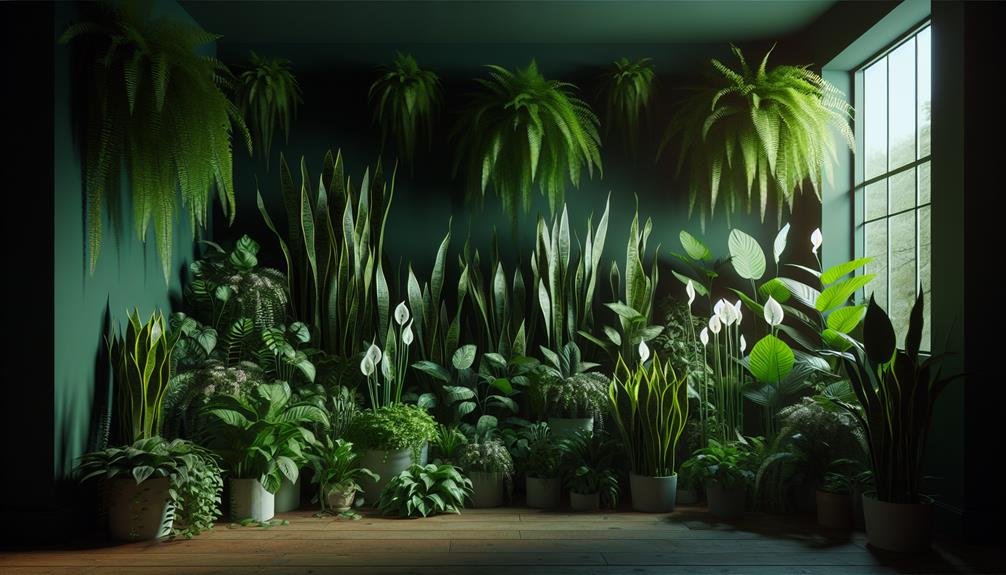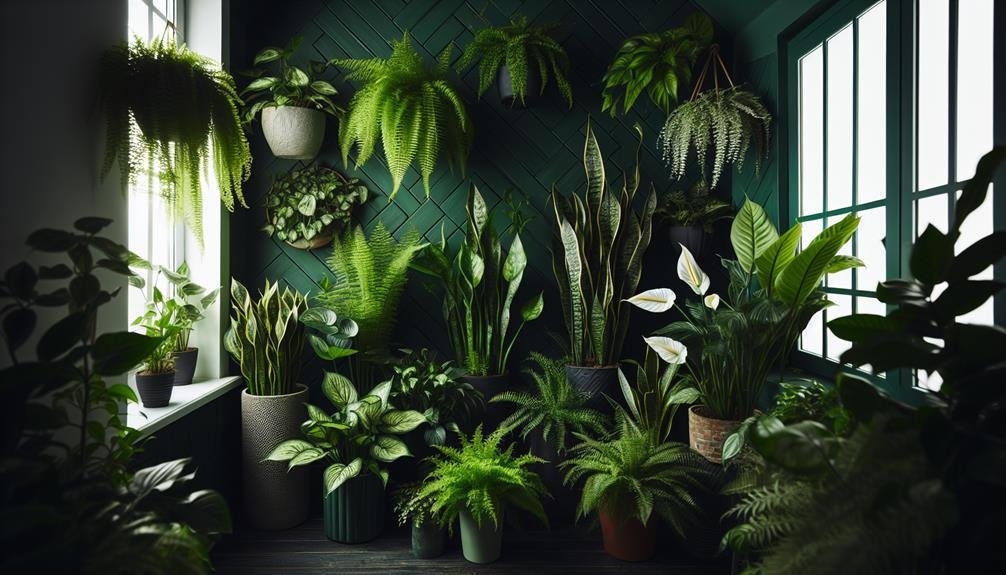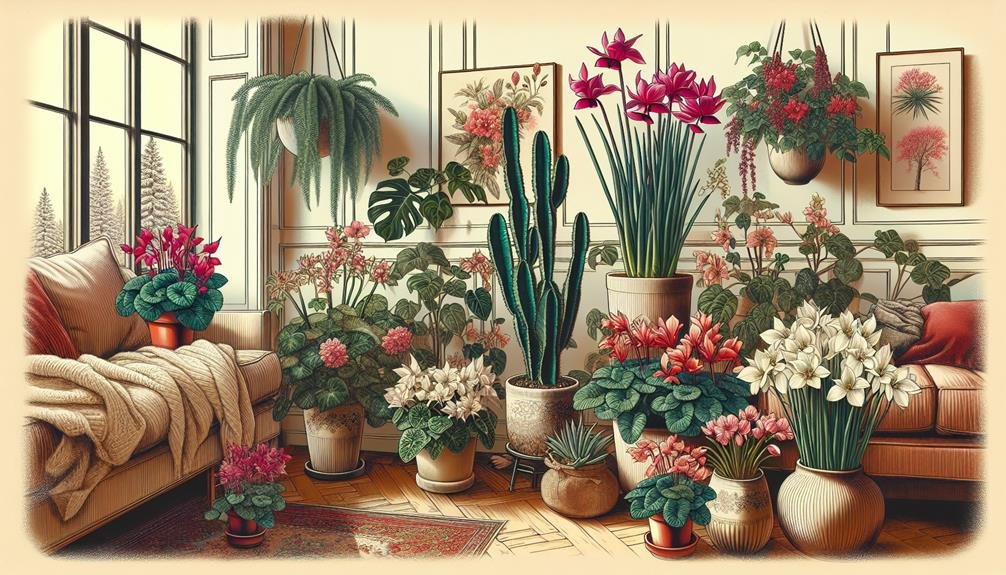
Torn between the barren winter landscape outside and the desire for a touch of vibrant greenery inside your home? Consider the allure of reliable winter-blooming houseplants.
As you navigate the chilly months ahead, these resilient botanical companions have the potential to bring a sense of life and color to your indoor spaces. But how do you choose the right plants that will thrive during winter while adding a burst of beauty to your home?
Let's explore some top choices and care tips that can help you create a cozy winter oasis within your living space.
Benefits of Winter-Blooming Houseplants
Winter-blooming houseplants bring a touch of vibrant color and life to your indoor space during the dreary winter months. Beyond their aesthetic appeal, these plants offer a range of benefits that make them a valuable addition to your home. One key advantage is their ability to improve indoor air quality by absorbing toxins and releasing oxygen, helping to freshen up the air you breathe.
In addition, caring for winter-blooming houseplants can have a positive impact on your mental well-being, providing a sense of purpose and accomplishment during the colder months when outdoor gardening may not be feasible.
These plants also have the potential to boost your mood and reduce stress levels. The presence of greenery has been linked to increased feelings of calmness and relaxation, making them ideal companions for creating a cozy and inviting atmosphere in your living space. Furthermore, tending to these plants can serve as a form of mindfulness practice, allowing you to focus on the present moment and find joy in nurturing new growth.
Top Winter-Blooming Plant Varieties
Consider adding a touch of elegance to your indoor space with these top varieties of plants that bloom during the winter months.
One popular choice is the Christmas cactus (Schlumbergera), known for its vibrant blooms in shades of pink, red, or white.
Another favorite is the Winter-flowering Jasmine (Jasminum nudiflorum), with delicate yellow flowers that add a lovely fragrance to your home.
The Winter Rose Poinsettia (Euphorbia pulcherrima) is also a stunning option, with its classic red and green foliage brightening up any room during the winter season.

If you prefer a plant with a unique appearance, the Cyclamen (Cyclamen persicum) is an excellent choice, featuring colorful, swept-back petals that give it a distinctive look.
For a more traditional option, the Winter Cherry (Solanum pseudocapsicum) produces clusters of small red berries that resemble miniature cherries, adding a festive touch to your decor.
These top winter-blooming plant varieties will bring beauty and cheer to your home during the colder months.
Care Tips for Winter-Blooming Plants
To ensure your winter-blooming houseplants thrive and continue to bloom beautifully, proper care and attention are essential.
Start by placing your plants in a location with ample sunlight, as most winter bloomers require bright light to flourish.
Water your plants consistently, but be cautious not to overwater as this can lead to root rot.
During the winter months, indoor air tends to be drier, so consider using a humidifier or placing a tray of water near your plants to maintain adequate moisture levels.
Fertilize your winter-blooming plants sparingly, as they've lower nutrient requirements during their blooming period.
Keep an eye out for pests like spider mites or aphids, and address any infestations promptly to prevent damage to your plants.
Regularly remove spent flowers to encourage new blooms and promote plant health.
Best Locations for Winter-Blooming Houseplants
For optimal growth and blooming success, position your winter-blooming houseplants in locations that receive at least six hours of direct sunlight daily. Choose spots near south or west-facing windows where they can soak up the most sunlight during the short winter days. Windowsills with unobstructed light are ideal, ensuring your plants get the necessary energy for flowering during the darker months.
If your home lacks sufficient natural light, consider supplementing with artificial grow lights. LED or fluorescent bulbs designed for plants can help provide the additional light needed for winter-blooming houseplants to thrive. Place the lights a few inches above the plants and keep them on for about 12-14 hours a day to mimic natural daylight hours.
Remember to rotate your plants regularly to promote even growth on all sides. This practice ensures that each part of the plant receives adequate light exposure, preventing lopsided growth. By strategically placing your winter-blooming houseplants in well-lit locations, you can enjoy a vibrant and blooming indoor garden throughout the winter season.
Creative Ways to Display Winter-Blooming Plants
To creatively showcase your winter-blooming plants, explore unique ways to enhance their beauty within your living space. Consider placing them in decorative pots or planters that complement your home's aesthetic. Hanging baskets can add an interesting dimension to your plant display, especially near windows where they can receive ample sunlight. Utilize shelves or plant stands to create a multi-level arrangement, allowing each plant to stand out. Grouping different varieties of winter-blooming plants together can create a visually appealing focal point in any room.
Another creative way to display your winter-blooming plants is by incorporating them into existing decor. Place a plant on a side table or coffee table to add a touch of nature to your living room. You can also use plants as centerpieces for dining tables or mantelpieces to bring life to these spaces during the winter months. Consider mixing in some seasonal decorations like pine cones or twinkling lights to enhance the festive feel. By integrating your winter-blooming plants into your decor, you can enjoy their beauty throughout your home.
Frequently Asked Questions
Can Winter-Blooming Houseplants Survive in Low Light Conditions?
Yes, winter-blooming houseplants can survive in low light conditions, but they may not bloom as abundantly. While they prefer bright light, some varieties like peace lilies and snake plants can still thrive in dimmer settings.
Consider supplementing with grow lights to help them flourish. Remember to monitor their growth and adjust care accordingly for the best results in low light conditions.
Are There Any Winter-Blooming Houseplants That Are Safe for Pets?
When choosing winter-blooming houseplants safe for pets, research is key. Look for options like African violets, Christmas cactus, or orchids, which are non-toxic to animals. Remember to always check before bringing a new plant home to ensure your furry friends stay safe.
Keep your pets in mind when selecting plants so you can enjoy a beautiful and pet-friendly indoor garden all year round.
How Do You Prevent Pests and Diseases From Affecting Winter-Blooming Plants?
To prevent pests and diseases from affecting winter-blooming plants, you should regularly inspect your plants for any signs of trouble. Wiping down leaves with a damp cloth can help keep pests at bay. Avoid overwatering and ensure proper air circulation around your plants.
If you notice any issues, promptly address them with appropriate treatments to prevent spreading. By staying vigilant and proactive, you can help keep your winter-blooming plants healthy and thriving.
Do Winter-Blooming Houseplants Require Any Special Fertilization During the Winter Months?
During the winter months, winter-blooming houseplants may benefit from special fertilization to support their growth and blooming. Consider using a balanced fertilizer with a slightly higher phosphorus content to encourage flowering.
Be sure to follow the recommended dosage on the fertilizer packaging to avoid overfeeding, which can harm the plants.
Regular fertilization can help your winter-blooming houseplants stay healthy and vibrant throughout the winter season.
Are There Any Specific Temperature Requirements for Winter-Blooming Houseplants to Thrive Indoors?
To thrive indoors, winter-blooming houseplants typically prefer temperatures between 60-70 degrees Fahrenheit. Avoid placing them near drafts or heating vents, as sudden temperature changes can stress the plants. Consistent temperatures help maintain blooming and overall health.
Consider using a thermometer to monitor the temperature in the area where your winter-blooming houseplants are located. This attention to temperature can help ensure your plants thrive during the winter months.
Conclusion
In conclusion, adding winter-blooming houseplants to your home is a great way to bring life and color to your space during the colder months.
With a variety of plant options available, you can easily find one that suits your style and care preferences.
By following care tips and finding the best location to display your plants, you can enjoy beautiful blooms all winter long.
So why wait? Brighten up your home with these reliable winter-blooming houseplants today!