
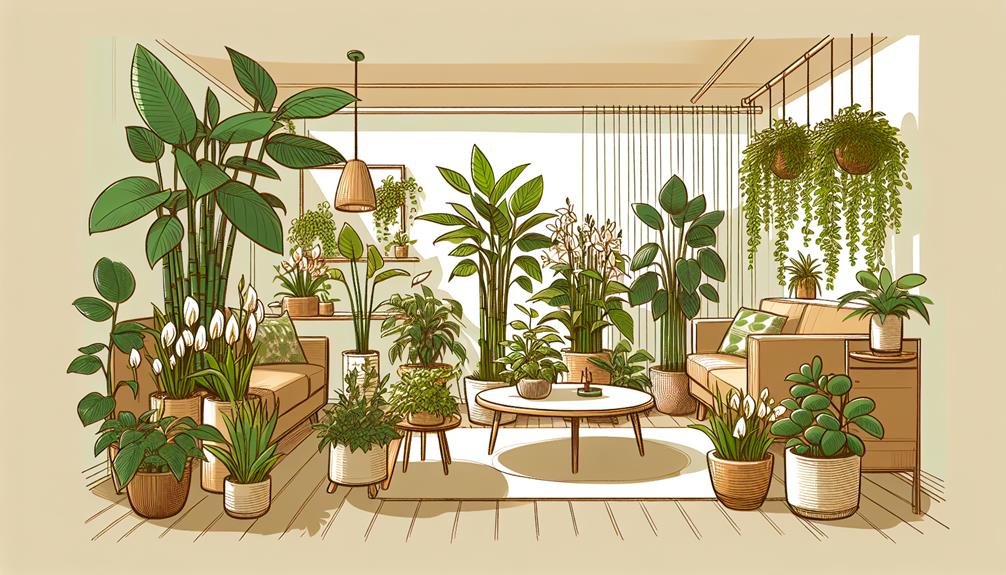
Just like a compass pointing north, Feng Shui houseplants can guide the energy flow in your home.
But did you know that some plants could actually be hindering your positive vibes?
Imagine walking into a space where negativity lingers in the air despite your best efforts to create a harmonious environment.
In the world of Feng Shui, the plants you choose can make a significant impact on the energy within your home.
Discover which houseplants can uplift your spirits and which ones may be dampening your efforts to cultivate positivity.
Importance of Positive Energy Plants
Boost your mood and create a harmonious atmosphere by introducing houseplants that radiate positive energy into your living space. Plants have an incredible ability to uplift your spirits and promote a sense of well-being. By strategically placing these green companions around your home, you can invite positivity and tranquility into your life.
Positive energy plants not only add aesthetic appeal but also serve as natural air purifiers, enhancing the overall quality of the air you breathe. The presence of these plants can reduce stress, boost creativity, and improve your concentration levels. Imagine coming home to a space filled with lush greenery that instantly puts a smile on your face and helps you unwind after a long day.
Studies have shown that being around plants can lower blood pressure, reduce feelings of anxiety, and increase feelings of happiness. So why not harness the power of nature to create a sanctuary within your home? Embrace the positive vibes that these plants bring and transform your living environment into a peaceful retreat.
Top Feng Shui Houseplant Choices
Consider incorporating these top Feng Shui houseplant choices to enhance the positive energy flow in your living space.
The Peace Lily is a popular choice for its air-purifying qualities and ability to bring peace and tranquility.

Another excellent option is the Lucky Bamboo, symbolizing good luck and fortune, ideal for attracting positive energy.
The Jade Plant is known for its prosperity-enhancing properties, making it a great addition to your home.
If you're seeking to promote love and relationships, the Heartleaf Philodendron is a perfect choice.
The Snake Plant isn't only easy to care for but also helps to absorb toxins in the air, creating a healthier environment.
Lastly, the Money Tree is believed to bring wealth and abundance, making it a must-have plant for your Feng Shui arrangements.
Placement Tips for Good Vibes
For optimal positive energy in your living space, focus on strategic placement of your Feng Shui houseplants. Place plants with rounded leaves in the eastern or southeastern areas of your home to promote growth and prosperity.
For enhancing love and relationships, position flowering plants in the southwest corner. To invite good fortune and wealth, consider placing your money plant in the southeast corner of your living room or office.
Ensure that your plants aren't blocking doorways or pathways, allowing the energy to flow freely throughout your space. Place taller plants behind furniture or in corners to provide support and stability.
Avoid placing plants in your bedroom, as they might be too active for a restful sleep environment. By following these placement tips, you can create a harmonious and positive atmosphere in your home with the help of your Feng Shui houseplants.
Caring for Your Feng Shui Plants
To ensure the well-being and longevity of your Feng Shui plants, proper care and attention are key elements to maintaining their positive energy in your living space. Start by placing your plants in areas with the right amount of sunlight; different plants have varying light requirements, so ensure you understand the needs of each.
Water your plants regularly, but be cautious not to overwater as this can lead to root rot. Keep a consistent watering schedule to help your plants thrive. Additionally, dust the leaves of your plants to ensure they can photosynthesize efficiently. Prune any dead or yellowing leaves to promote new growth and maintain the plant's vitality.
Remember to fertilize your plants occasionally to provide them with essential nutrients. Use organic fertilizers for a natural approach. Repot your plants when they outgrow their current pots to give their roots more space to grow. By following these care tips, you can help your Feng Shui plants flourish and contribute positively to the energy in your home.
Signs of Negative Energy Plants
If you notice wilting leaves, stunted growth, or a general lack of vibrancy in your houseplants, these could be signs of negative energy affecting them. Plants are sensitive to their environment, and just like humans, they can absorb both positive and negative energies. When your houseplants start showing signs of distress, it might be time to assess the energy in your home.
Wilting leaves, despite proper care, can indicate that your plants are struggling with negative energy. Stunted growth, where your plants don't seem to be flourishing as they should, is another red flag for negative energy accumulation. A general lack of vibrancy, where your plants appear dull and lifeless, could also point towards an imbalance in the energy flow.
To counteract this negativity, consider implementing Feng Shui principles in your home, such as placing certain plants in specific areas to promote positive energy. Regularly cleansing your space with sage or sound can also help clear any negative energy that may be affecting your plants.
Frequently Asked Questions
Can Feng Shui Houseplants Help With Improving Relationships and Attracting Love?
Feng Shui houseplants can indeed help improve relationships and attract love. By strategically placing plants in certain areas of your home, you can create a harmonious environment that promotes positive energy flow.
Plants like peace lilies and orchids are believed to enhance love and romance energies. So, consider adding these plants to your living space to create a welcoming atmosphere that fosters love and connection.
Are There Specific Houseplants That Can Bring Financial Abundance and Prosperity Into a Home?
When it comes to attracting financial abundance and prosperity with houseplants, there are specific ones that Feng Shui practitioners recommend. Plants like lucky bamboo, money tree, and jade plant are believed to bring positive energy and wealth into your home.
These plants are thought to promote prosperity and success, creating a harmonious environment that encourages financial growth. Consider incorporating them into your living space to invite abundance into your life.
How Do Feng Shui Houseplants Affect the Overall Energy Flow Within a Space?
Houseplants in Feng Shui play a crucial role in influencing the energy flow within a space. They can enhance positive vibes, promote harmony, and create a sense of balance.
Can Feng Shui Houseplants Help With Reducing Stress and Promoting Relaxation?
Feng Shui houseplants can indeed help reduce stress and promote relaxation. They've a calming effect on your environment, contributing to a more peaceful atmosphere.
By incorporating these plants strategically, you can create a harmonious space that encourages positive energy flow and a sense of tranquility.
Are There Certain Houseplants That Are Considered Bad Luck or Should Be Avoided in Feng Shui Practices?
When it comes to feng shui practices, some houseplants are believed to bring bad luck and negativity. It's suggested to avoid plants like cacti, bonsai trees, and plants with thorny leaves.
These plants are said to disrupt the flow of positive energy in your space. By steering clear of these types of houseplants, you can create a more harmonious and balanced environment according to feng shui principles.
Conclusion
So, don't waste your time on negativity when it comes to feng shui houseplants. Choose plants that bring positive energy into your home, like peace lilies or lucky bamboo.
Remember to place them in the right areas to maximize their benefits, and take good care of them to keep the good vibes flowing.
By following these tips, you can create a harmonious and uplifting environment in your living space.



