If your home is like a shady grove, finding the right plants to thrive in low-light conditions can be a challenging yet rewarding task. Understanding the differences between indoor and outdoor options for low-light environments is crucial for creating a lush and vibrant space.
By exploring the unique qualities of top indoor and outdoor houseplants suited for low light, you can transform your living areas into green sanctuaries that breathe life into your surroundings.
Best Low-Light Indoor Houseplants
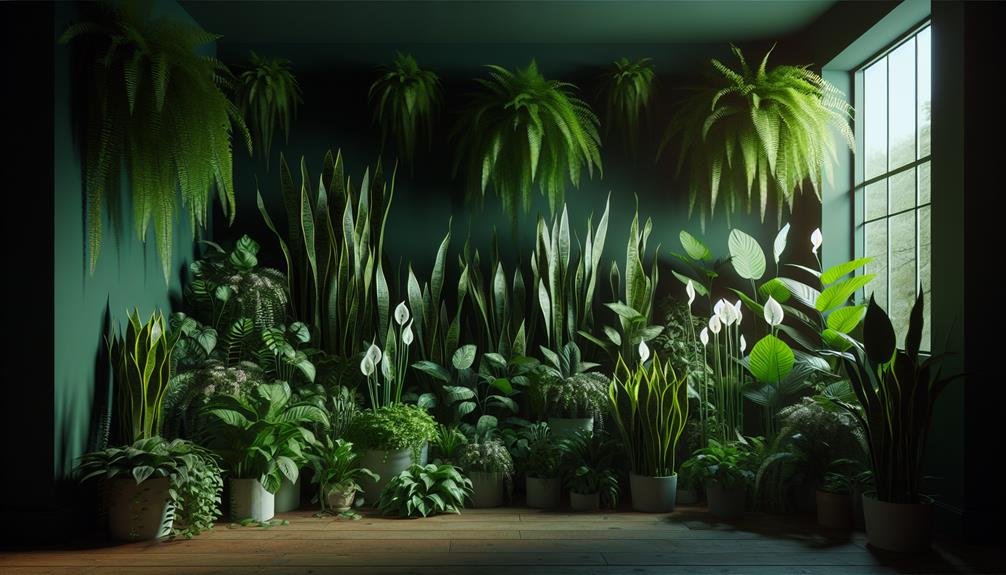
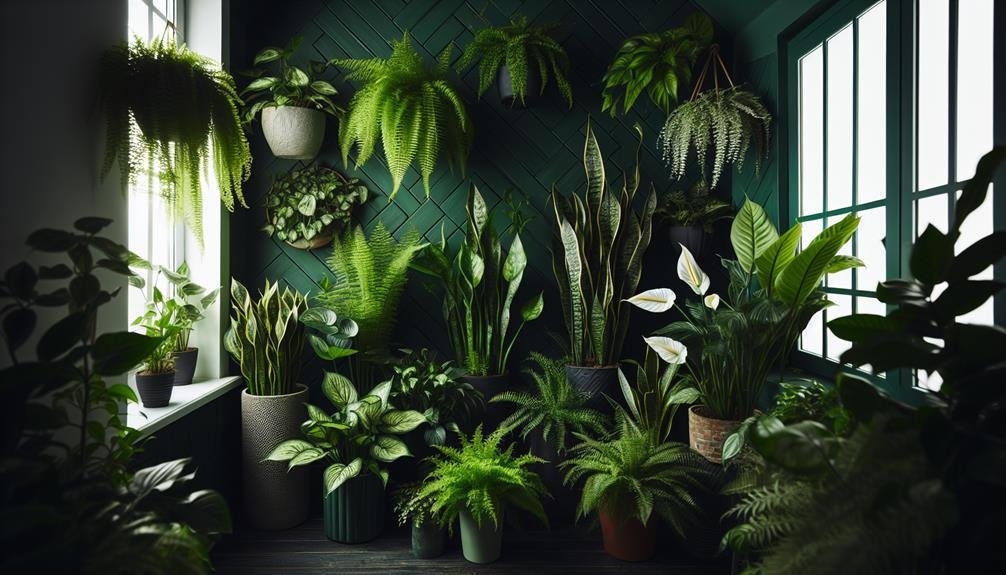
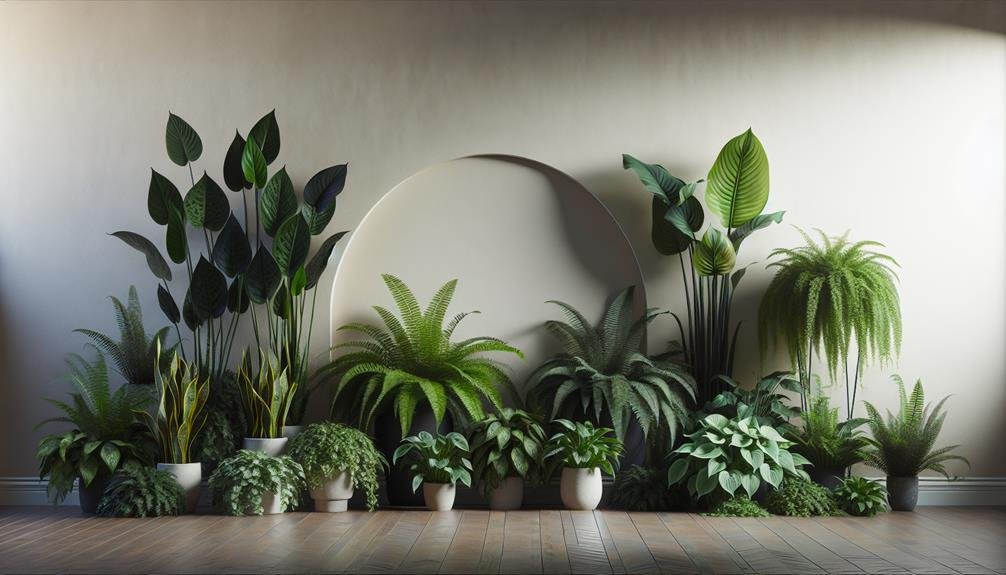
When looking for low-light indoor houseplants, consider options that thrive in shady conditions with minimal sunlight. Peace lilies are a fantastic choice as they can flourish in low light and only need watering when the soil is dry.
Another excellent option is the spider plant, known for its air-purifying qualities and ability to thrive in indirect light. If you prefer a pop of color, African violets are perfect for brightening up dimly lit spaces. These vibrant plants bloom in various shades and require minimal care.
Snake plants are ideal for beginners or those with busy schedules, as they're extremely low maintenance and can survive in low light with infrequent watering. Pothos plants are versatile and can adapt to different light conditions, making them a great addition to any low-light environment.
Lastly, ZZ plants are resilient and can thrive in almost any lighting situation, making them a reliable choice for dimly lit areas in your home.
Top Outdoor Plants for Low Light
Consider adding shade-loving plants to your outdoor space to thrive in low-light conditions. When looking for outdoor plants that can handle low light, options like hostas, ferns, and coral bells are excellent choices. Hostas are known for their lush foliage and come in a variety of sizes and colors, making them versatile for different garden designs. Ferns, with their delicate fronds, add a touch of elegance to shaded areas and are relatively low-maintenance. Coral bells, also known as heucheras, offer colorful foliage that can brighten up dim corners of your outdoor space.
Another great outdoor plant for low light is the Japanese painted fern, which features striking silver and burgundy fronds that can thrive in shady spots. For a pop of color, consider planting impatiens, which are known for their vibrant blooms and ability to flourish in shade. These outdoor plants not only add beauty to your garden but also thrive in areas with limited sunlight.
Shade-Loving Indoor Plant Options
Looking to brighten up your indoor space with greenery that thrives in low-light conditions? Shade-loving indoor plants are the perfect solution for adding a touch of nature to dimly lit areas of your home.
Consider adding a ZZ plant, also known as Zamioculcas Zamiifolia, to your space. This hardy plant can thrive in low light and requires minimal maintenance, making it an excellent choice for beginners.

Another great option is the peace lily (Spathiphyllum), which not only thrives in shade but also helps purify the air in your home.
If you prefer a trailing plant, the heartleaf philodendron (Philodendron hederaceum) is a fantastic choice. Its heart-shaped leaves add a charming touch to any room.
For a pop of color, consider the Chinese evergreen (Aglaonema). This plant comes in various shades of green and pink, brightening up any corner while thriving in low-light conditions.
Incorporating these shade-loving indoor plants into your home will bring life and vibrancy to even the darkest corners.
Low-Light Outdoor Plant Varieties
To expand your green oasis beyond indoor spaces, discovering low-light outdoor plant varieties that thrive in dimly lit areas can enhance your outdoor environment effortlessly. While many plants require abundant sunlight to flourish, there are several options that can thrive in shaded outdoor areas.
One excellent choice is the Hosta plant, known for its lush foliage and ability to thrive in low-light conditions. Another great option is the Coral Bells plant, which offers colorful foliage and can add a pop of brightness to shady outdoor spots. Additionally, the Astilbe plant is a fantastic low-light outdoor option, producing beautiful, feathery plumes of flowers in shaded areas.
These plants not only survive but can also thrive in areas with limited sunlight, bringing life and vibrancy to your outdoor spaces. By incorporating these low-light outdoor plant varieties into your garden or patio, you can create a welcoming and visually appealing environment, even in shaded areas.
Comparing Indoor and Outdoor Options
Indoor and outdoor plant options can be compared based on their light requirements and growth preferences. When choosing between the two, consider that indoor plants are typically more adaptable to low-light conditions compared to outdoor varieties. While outdoor plants may require more sunlight to thrive, indoor options like snake plants, pothos, or peace lilies can flourish in dimmer environments. On the other hand, outdoor plants often have more space to grow and can benefit from natural elements like rain and wind for their development.
In terms of maintenance, indoor plants may need more frequent watering and occasional pruning due to their confined environment. Outdoor plants, however, might need less watering as they can access natural rainfall and have more room for their roots to spread. Additionally, outdoor plants might attract beneficial insects and wildlife that can aid in their growth, while indoor plants are less likely to face pest-related issues. Consider these factors when deciding between indoor and outdoor plant options for your low-light spaces.
Frequently Asked Questions
Can Low-Light Houseplants Survive in a Room With No Windows at All?
Yes, low-light houseplants can survive in a room with no windows at all. While they may not thrive as well as they'd with some natural light, there are several varieties that are specifically suited for low-light conditions.
Consider plants like snake plants, pothos, or ZZ plants, which are known for their ability to tolerate low-light environments. With proper care and attention to watering and lighting needs, these plants can still grow and flourish indoors.
Are There Any Low-Light Houseplants That Are Safe for Pets to Be Around?
When it comes to pets, safety is key. Fortunately, there are low-light houseplants that are pet-friendly.
Some options include spider plants, Boston ferns, and African violets. These plants not only thrive in low-light conditions but are also safe for your furry friends to be around.
Just be sure to double-check the toxicity levels of any plant before bringing it into your home.
How Often Should I Water Low-Light Houseplants Compared to Plants That Require More Sunlight?
When caring for low-light houseplants, water frequency is crucial. Compared to plants needing more sunlight, low-light plants generally require less water.
Check the soil moisture by inserting your finger an inch deep. If it feels dry, it's time to water. Overwatering can harm these plants, so ensure the soil is draining properly.
Adjust your watering schedule based on the specific needs of each plant to keep them healthy and thriving.
Are There Any Low-Light Houseplants That Can Help Improve Indoor Air Quality?
To improve indoor air quality with low-light houseplants, consider options like peace lilies, spider plants, or pothos. These plants are known to purify the air and thrive in environments with minimal sunlight.
By incorporating these green companions into your space, you can enjoy cleaner indoor air while adding a touch of natural beauty to your surroundings.
Give them a try and breathe easier in your home today!
Can Low-Light Houseplants Be Placed Near Air Vents or Heaters Without Causing Harm to the Plant?
You can place low-light houseplants near air vents or heaters, but it's important to monitor them. The heat from vents or heaters can dry out the plants quickly, so make sure to water them regularly.
Consider misting the plants to provide extra humidity. Keep an eye on the plants for any signs of stress, such as wilting or browning leaves, and adjust their placement if needed to ensure they thrive in these conditions.
Conclusion
Overall, when it comes to choosing houseplants for low-light conditions, both indoor and outdoor options have their advantages.
Indoor plants like pothos and snake plants are great for adding greenery to your home, while outdoor plants like hostas and ferns can thrive in shaded areas of your yard.
Consider the specific conditions of your space and the care requirements of each plant before making your selection.
Happy planting!