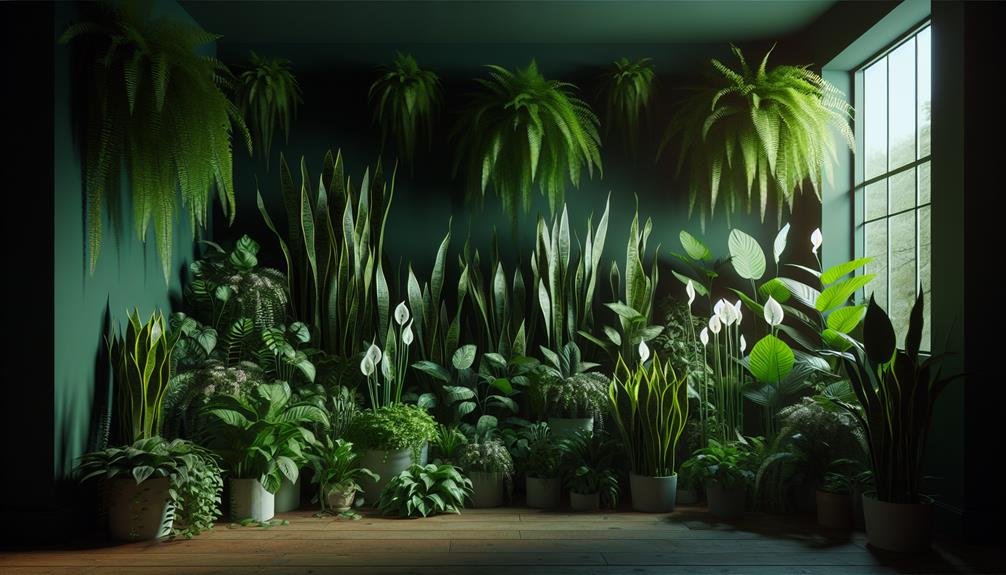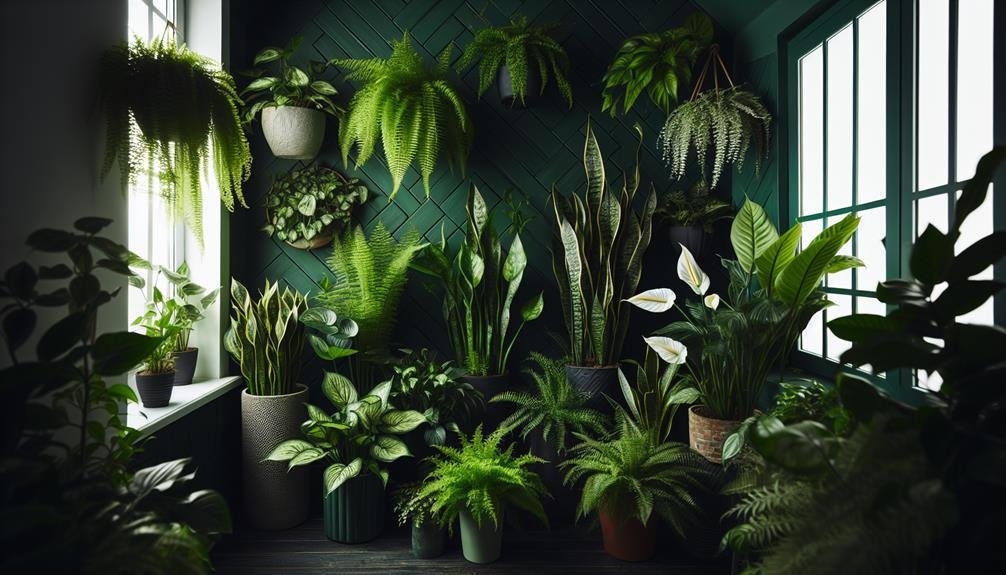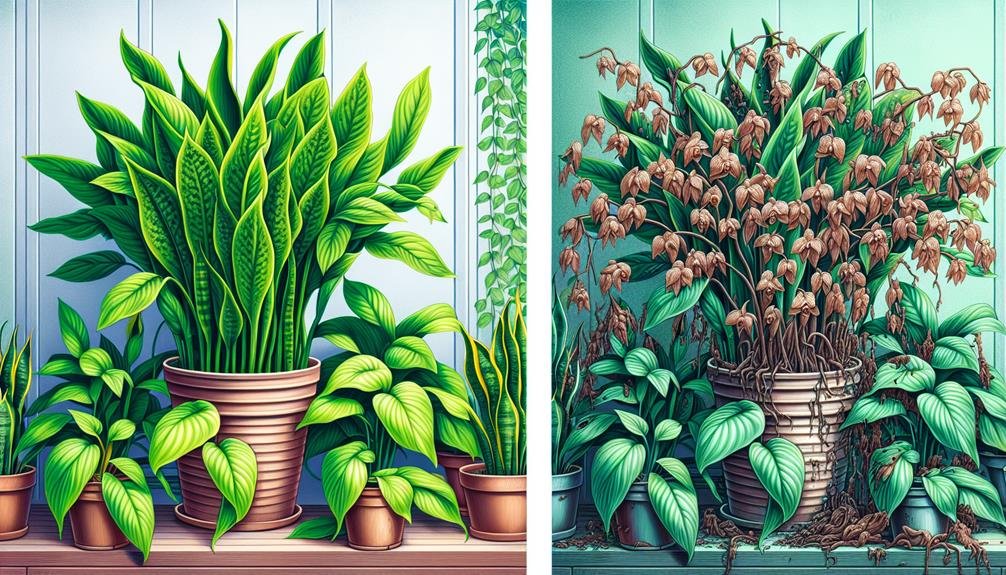
You might think that having indoor plants is just another chore to add to your already busy schedule, but what if we told you that not all plants require constant attention? Lazy indoor plants can be your perfect green companions, adding life to your space without demanding too much effort.
However, before you dismiss high-maintenance plants altogether, there are certain intriguing benefits and characteristics that might make you reconsider your choices. Intrigued yet?
Characteristics of Lazy Indoor Plants
Lazy indoor plants require minimal attention and care to thrive in your home environment. These plants are ideal for individuals with busy schedules or those new to plant care.
One key characteristic of lazy indoor plants is their ability to tolerate low light conditions. This means you don't have to worry about constantly moving them around to chase the sun. Additionally, they've low water requirements, so you can water them less frequently compared to other plants. Their forgiving nature allows for some flexibility in your watering routine.
Another great feature of these plants is their resilience to occasional neglect. Even if you forget to water them for a week or two, they're likely to bounce back once you give them a drink. With minimal effort on your part, lazy indoor plants can still bring life and greenery into your living space.
Benefits of Low-Maintenance Plants
Low-maintenance plants offer a practical solution for individuals seeking to introduce greenery into their living spaces with minimal effort and care required. These plants are ideal for those with busy schedules or little experience in plant care. One of the key benefits of low-maintenance plants is their resilience. They can thrive in various conditions, including low light and irregular watering. This means you don't have to constantly monitor them or worry about providing the perfect environment.
Additionally, low-maintenance plants are great for improving indoor air quality. They can help remove toxins and pollutants, creating a healthier environment for you to live in. Another advantage is that these plants are often more affordable than high-maintenance varieties. You can enjoy the benefits of having plants in your home without breaking the bank or investing too much time in their upkeep.
Signs of High-Maintenance Indoor Plants
If you find yourself constantly adjusting environmental conditions and closely monitoring your indoor plants, you may be dealing with high-maintenance varieties. Signs of high-maintenance indoor plants include a need for specific light requirements, such as direct sunlight for several hours a day or constant shade.
These plants might also require precise humidity levels, often needing a humidifier to maintain the ideal moisture in the air. High-maintenance indoor plants may demand frequent watering schedules, necessitating daily or even twice-daily watering to thrive.
Additionally, these plants might be sensitive to temperature fluctuations, needing a consistent and controlled climate to prevent stress. They may also be prone to pests and diseases, requiring regular inspection and treatment to keep them healthy.

If your indoor plants exhibit these characteristics, they likely fall into the high-maintenance category, demanding more time and attention to meet their needs effectively.
Tips for Caring for Easy Plants
Caring for easy plants involves providing consistent but minimal care to ensure their health and growth. These low-maintenance plants are perfect for busy individuals or beginners in gardening. Here are some tips to help you keep your easy plants thriving:
- Watering: Easy plants generally prefer to dry out between waterings. Stick to a regular watering schedule, allowing the soil to dry slightly before watering again. Overwatering can lead to root rot, so it's essential to avoid soggy soil.
- Light: Most easy plants thrive in bright, indirect light. Find a well-lit spot near a window, but be cautious of direct sunlight, which can scorch their leaves.
- Fertilizing: Easy plants typically don't require frequent fertilizing. A light dose of balanced fertilizer every few months during the growing season is usually sufficient.
- Pruning: While easy plants don't need extensive pruning, removing dead or yellowing leaves can help promote new growth and keep the plant looking tidy.
Strategies for High-Maintenance Plant Care
Maintaining high-maintenance plants requires meticulous attention to detail and a consistent care routine to ensure their vitality and growth. To start, closely monitor the plant's watering needs. Some high-maintenance plants may require specific watering schedules or moisture levels, so be sure to research and follow guidelines carefully.
Additionally, provide adequate sunlight for your plant. High-maintenance plants often have specific light requirements, so placing them in the right spot is crucial for their well-being.
Regularly inspect your plant for pests and diseases. High-maintenance plants can be more susceptible to issues, so catching and addressing problems early is essential. Consider using organic pest control methods to avoid harming your plant with harsh chemicals.
Frequently Asked Questions
Can Indoor Plants Be Both Low Maintenance and High Maintenance at the Same Time?
Indoor plants can indeed be both low maintenance and high maintenance at the same time. It all depends on the specific plant species and their individual needs. Some plants may require minimal care, such as occasional watering and indirect sunlight, while others may demand more attention with precise watering schedules, specific temperature requirements, and regular pruning.
Understanding your plant's needs is key to maintaining a healthy and thriving indoor garden.
Are There Any Specific Health Benefits Associated With Caring for Low-Maintenance Indoor Plants?
Caring for low-maintenance indoor plants can have several health benefits. They help improve air quality by removing toxins and increasing oxygen levels. Additionally, tending to plants can reduce stress, boost mood, and provide a sense of accomplishment.
The act of nurturing greenery promotes relaxation and mindfulness, which can contribute to overall well-being. So, incorporating low-maintenance indoor plants into your space can be a simple way to enhance both your physical and mental health.
How Can I Tell if My Indoor Plant Is Struggling Due to Neglect or if It Is Naturally a High-Maintenance Plant?
If your indoor plant is struggling, check for signs like yellowing leaves, wilting, or dry soil. Neglect can cause these issues, but some plants naturally need more attention. Research your plant's specific care needs to determine if it's high-maintenance.
Adjust watering, light exposure, and humidity levels as needed. Observing your plant closely and making necessary changes will help it thrive, whether it's low-maintenance or high-maintenance.
Are There Any Common Mistakes That People Make When Trying to Care for Easy Indoor Plants?
When caring for easy indoor plants, common mistakes can include overwatering, not providing enough sunlight, or neglecting to repot when needed. Remember to follow care instructions, water only when the soil is dry, and ensure your plant gets sufficient light.
Don't forget to check for pests regularly and adjust care as needed. By avoiding these errors, you can help your indoor plants thrive and stay healthy with minimal effort.
Is It Possible to Convert a High-Maintenance Indoor Plant Into a Low-Maintenance One With Proper Care and Attention?
If you provide the right care and attention, it's possible to convert a high-maintenance indoor plant into a low-maintenance one.
By adjusting watering schedules, ensuring proper sunlight exposure, and using the right soil, you can help your plant thrive with less effort.
Consistent monitoring and learning about the specific needs of your plant will be key in successfully transitioning it to a lower maintenance routine.
Conclusion
Overall, when it comes to choosing indoor plants, opting for low-maintenance varieties can save you time and effort. Lazy plants require minimal care and can thrive in a variety of conditions, making them perfect for busy individuals or those new to plant care.
On the other hand, high-maintenance plants may require more attention and specific care routines. By understanding the differences between the two, you can create a thriving indoor garden that suits your lifestyle.