So, you think you have a green thumb, dabbling in the art of plant parenthood?
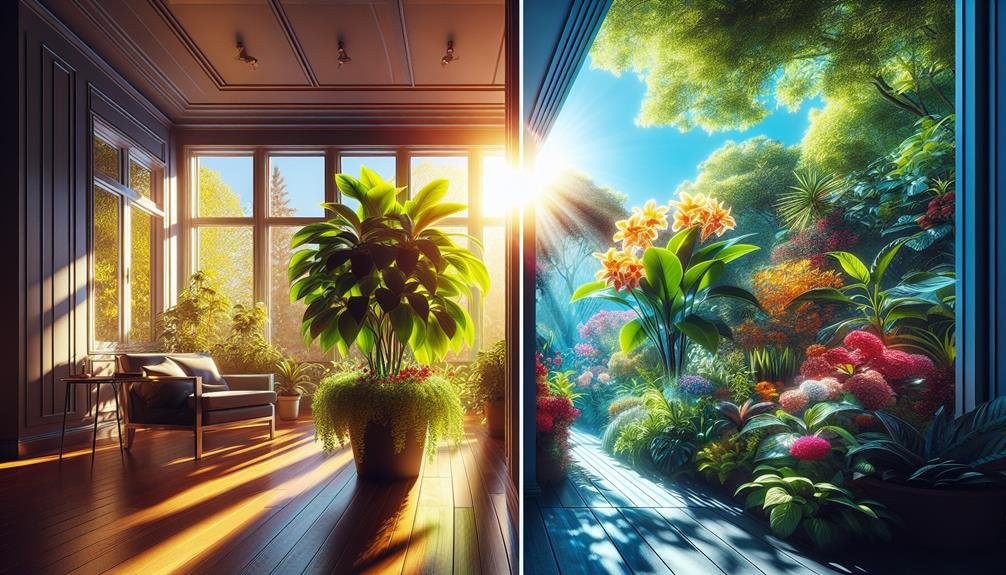
Well, when it comes to the age-old debate of indoor versus outdoor houseplants, there are some intriguing factors to consider.
You might be surprised to learn the subtle intricacies that play into the decision-making process.
Before you make your next botanical purchase, make sure you weigh all the pros and cons of each environment.
Benefits of Indoor Houseplants
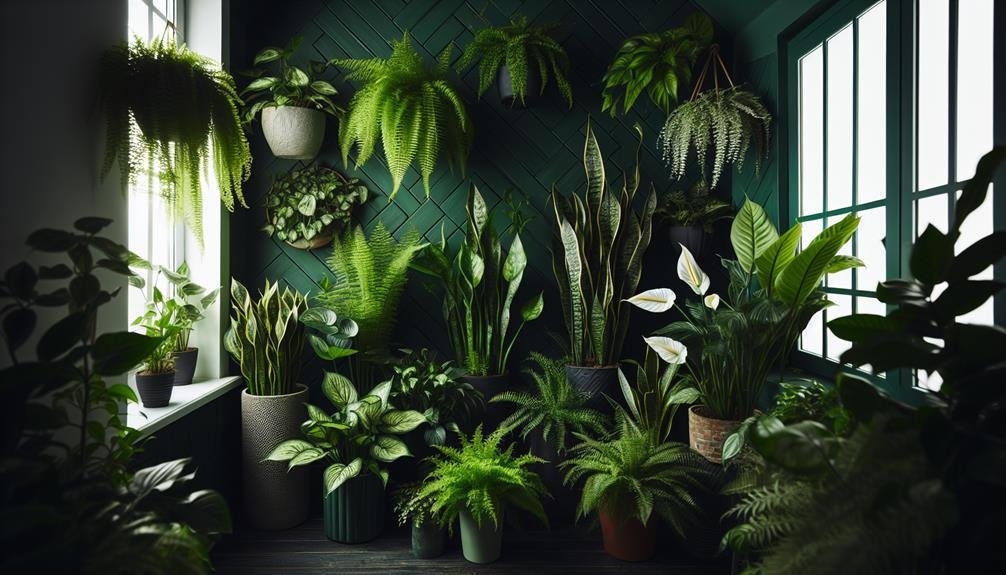
Have you ever considered how indoor houseplants can improve your living space and overall well-being? Adding houseplants to your indoor environment not only enhances the aesthetic appeal but also brings numerous benefits. Houseplants are natural air purifiers, filtering out harmful toxins and increasing oxygen levels, which can lead to better respiratory health and overall improved air quality in your home.
Indoor houseplants have been known to reduce stress and anxiety levels, creating a calming and relaxing atmosphere. The presence of greenery has been linked to increased productivity, focus, and creativity. Caring for plants can also be a therapeutic activity, promoting mindfulness and a sense of accomplishment as you watch your plants thrive under your care.
Furthermore, houseplants can help regulate humidity levels, which is especially beneficial during the drier months or in air-conditioned spaces. They can even act as natural humidifiers, releasing moisture into the air through a process called transpiration. With all these benefits, it's clear that incorporating indoor houseplants into your living space can significantly enhance your well-being.
Challenges of Indoor Houseplants
Despite their numerous benefits, indoor houseplants can present their own set of challenges that you may encounter as a plant owner. One common issue is finding the right balance of light. Different plants have varying light requirements, and it can be tricky to ensure they receive adequate sunlight, especially in rooms with limited natural light.
Overwatering is another challenge. It's easy to be overzealous in watering your houseplants, but this can lead to root rot and other issues. Additionally, indoor plants are more susceptible to pests like spider mites and mealybugs, which can quickly spread from plant to plant if not addressed promptly.
Limited space can also be a challenge, as your indoor garden grows, finding enough room for each plant to thrive can become a real struggle. Lastly, indoor environments often have less humidity than outdoor spaces, making it harder to create the ideal conditions for certain plant species to flourish.

Advantages of Outdoor Houseplants
When growing outdoor houseplants, you benefit from the abundance of natural sunlight, essential for their healthy growth and development. Unlike indoor plants that may struggle with limited light exposure, outdoor houseplants have access to the full spectrum of sunlight, providing them with the energy needed for photosynthesis. This results in stronger stems, vibrant leaves, and overall healthier plants.
Outdoor houseplants also enjoy better air circulation compared to their indoor counterparts. The fresh outdoor air helps prevent the buildup of excess moisture, reducing the risk of fungal diseases and pest infestations. Additionally, outdoor plants have more space to grow, allowing their roots to spread out freely in the soil and access more nutrients and water.
Another advantage of outdoor houseplants is the natural pollination that occurs with outdoor insects and wildlife. Bees, butterflies, and other pollinators visit outdoor plants, aiding in the reproduction of flowers and the production of fruits or seeds. This natural process can enhance the beauty and productivity of your outdoor houseplants.
Disadvantages of Outdoor Houseplants
Outdoor houseplants may face challenges due to unpredictable weather conditions impacting their growth and health. Exposure to extreme temperatures, such as frost or intense heat, can be detrimental to outdoor houseplants. Frost can freeze delicate leaves and stems, causing irreversible damage, while scorching heat can lead to wilting and dehydration.
Additionally, heavy rainfalls can result in waterlogged soil, leading to root rot and fungal diseases. Pests and insects are also more prevalent in outdoor environments, posing a threat to the health of your houseplants. Common outdoor pests like aphids, spider mites, and snails can quickly infest and damage your plants if not properly controlled.
Furthermore, outdoor houseplants are more susceptible to diseases spread through contaminated soil, water, or neighboring plants. Maintenance of outdoor houseplants can be more labor-intensive compared to indoor plants. Regular watering, fertilizing, pruning, and pest control measures are essential to ensure the well-being of your outdoor plants.
Best Houseplants for Each Environment
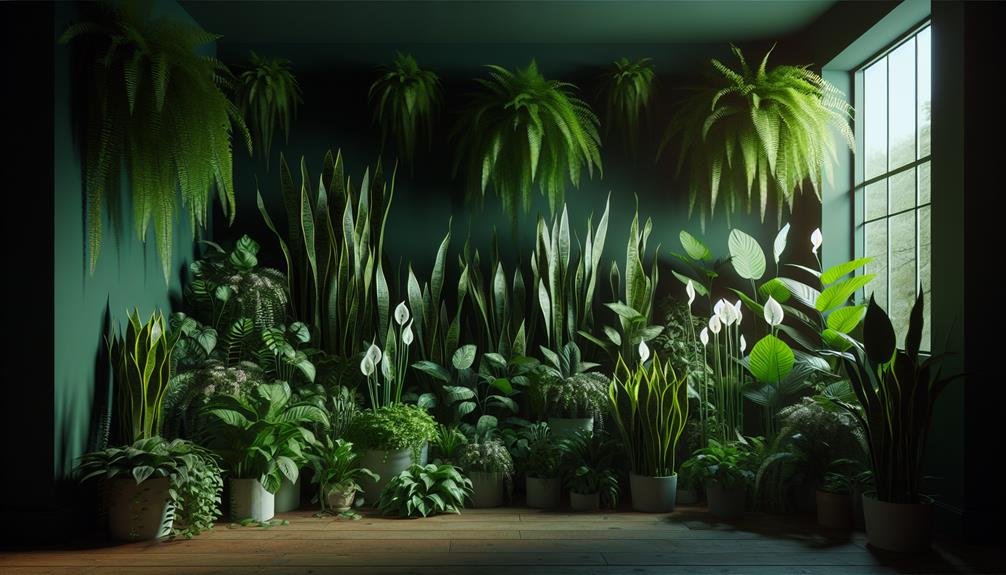
For optimal plant growth and health, selecting the right houseplants suited to their environment is crucial. When choosing houseplants for indoors, low-light tolerant varieties like pothos, snake plants, and peace lilies thrive in spaces with minimal natural light. These plants are perfect for rooms with few windows or shaded areas.
If your indoor space receives ample sunlight, consider succulents such as aloe vera, jade plants, or cacti that love basking in the sun. For outdoor houseplants, options like lavender, rosemary, and petunias do well in garden beds or on balconies receiving direct sunlight. If you have a shaded outdoor area, ferns, hostas, and impatiens are excellent choices that prefer indirect light.
Remember to consider the temperature and humidity levels of each environment when selecting houseplants to ensure they flourish in their surroundings. By picking the right plants for each space, you can create vibrant indoor and outdoor greenery that enhances your surroundings.
Frequently Asked Questions
Can Indoor Houseplants Help Improve Air Quality in My Home?
Indoor houseplants can indeed help improve air quality in your home. They absorb carbon dioxide and release oxygen through photosynthesis, which can enhance the air you breathe.
Some plants also filter out toxins present in indoor air, promoting a healthier environment. Consider incorporating houseplants like spider plants, peace lilies, or snake plants to enjoy fresher air and add a touch of greenery to your living space.
What Are Some Common Pests That Can Affect Indoor Houseplants?
Common pests that can affect your indoor houseplants include spider mites, aphids, fungus gnats, and mealybugs. These pests can damage your plants by feeding on their leaves, stems, and roots.
Regularly inspect your plants for signs of pests like webbing, tiny insects, or yellowing leaves. Treat infestations promptly with insecticidal soap or neem oil to keep your indoor garden healthy and thriving.
How Can I Transition My Outdoor Houseplants to Indoor During Colder Months?
When transitioning outdoor houseplants indoors during colder months, start by gradually acclimating them to lower light levels. Check for pests beforehand, since they can spread in indoor environments.
Prune any damaged or overgrown parts, and repot if necessary. Ensure proper watering and humidity levels to mimic outdoor conditions.
Monitor the plants closely for signs of stress or adjustment issues. This process helps them thrive inside and avoid shock from the change in environment.
Are There Any Outdoor Houseplants That Are Safe for Pets to Be Around?
When looking for outdoor houseplants safe for pets, choose non-toxic options like spider plants, Boston ferns, or pet grass. Avoid toxic plants such as lilies, aloe vera, or azaleas.
Always research specific plant toxicity before bringing them into your outdoor space. Keep your furry friends safe by creating a pet-friendly garden with plants that won't harm them if they decide to take a curious nibble.
What Are Some Tips for Maintaining the Health and Longevity of Both Indoor and Outdoor Houseplants?
To keep both indoor and outdoor houseplants healthy, remember to:
- Water them regularly
- Provide adequate sunlight
- Fertilize occasionally
Prune any dead leaves or branches to encourage new growth. Check for pests and treat them promptly. Rotate indoor plants occasionally to ensure even growth.
Outdoor plants may need protection from extreme weather conditions. By following these tips, you can help your houseplants thrive and enjoy their beauty for a long time.
Conclusion
In conclusion, whether you choose to have houseplants indoors or outdoors, there are benefits and challenges to consider.
Indoor houseplants can improve air quality and add beauty to your space, while outdoor houseplants can thrive in natural sunlight and fresh air.
Ultimately, the best houseplants for each environment will depend on your specific needs and preferences.
So go ahead and bring some greenery into your home or garden to enjoy the many benefits of plant life.