You've likely heard the saying, 'Bloom where you are planted.'
When it comes to houseplants, whether indoors or outdoors, each setting offers distinct advantages.
From the air-purifying benefits of indoor plants to the natural sunlight nurturing outdoor ones, the choice can impact not just the plant's growth but also your well-being.
Before deciding where to place your green companions, consider factors like aesthetics, care requirements, and the changing seasons.
Each environment presents unique opportunities for your plants to thrive, so choose wisely.
Health Benefits of Indoor Houseplants
To maximize the health benefits of indoor houseplants, regularly interacting with them through watering and maintenance is essential. Watering your plants not only keeps them alive but also helps to maintain proper humidity levels in your home. This can alleviate respiratory issues and dry skin, especially during the winter months when indoor air tends to be drier.
Additionally, the act of caring for indoor plants can reduce stress and improve your overall mental well-being. The routine of watering, pruning, and checking for signs of pests can be a therapeutic practice that promotes mindfulness and relaxation.
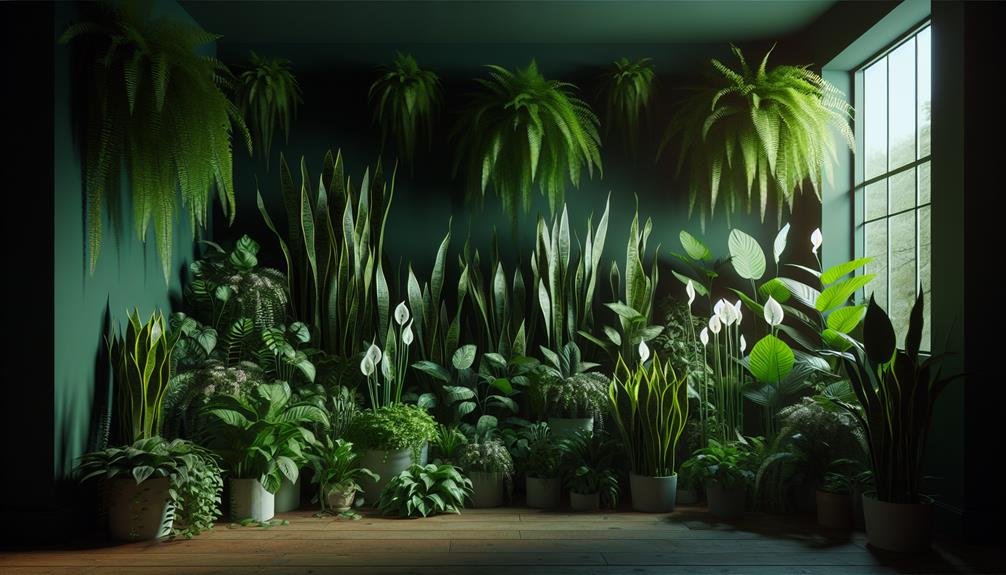
Indoor houseplants also have the remarkable ability to purify the air in your home by removing toxins and releasing oxygen. This can lead to better respiratory health, increased focus, and higher productivity levels. Some plants, like aloe vera and snake plants, are known for their air-purifying properties and can significantly improve the quality of the air you breathe indoors.
Aesthetics and Decor
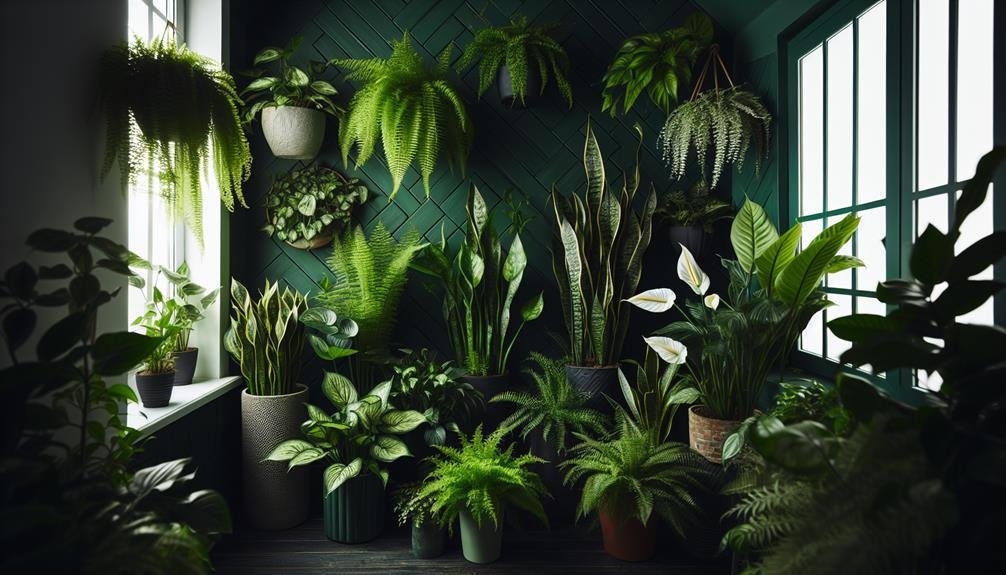
Enhancing your living space with indoor houseplants adds a touch of natural beauty and warmth to your home decor. The vibrant greenery of plants can brighten up any room and create a more inviting atmosphere for you and your guests. Whether you prefer large leafy plants or small succulents, there are various options to suit your style and space.
Houseplants can serve as decorative accents, adding a pop of color and texture to your home. They can be placed on shelves, countertops, or hung from the ceiling to create visual interest and elevate the overall aesthetic of the room. Additionally, indoor plants can be used to fill empty corners or spaces, bringing life to areas that may have otherwise been overlooked.

Consider incorporating different shapes and sizes of plants to create a dynamic and visually appealing display. Grouping plants together can also make a statement and enhance the overall decor of your home. Remember to choose plants that not only complement your style but also thrive in the indoor environment you provide.
Natural Sunlight for Outdoor Plants
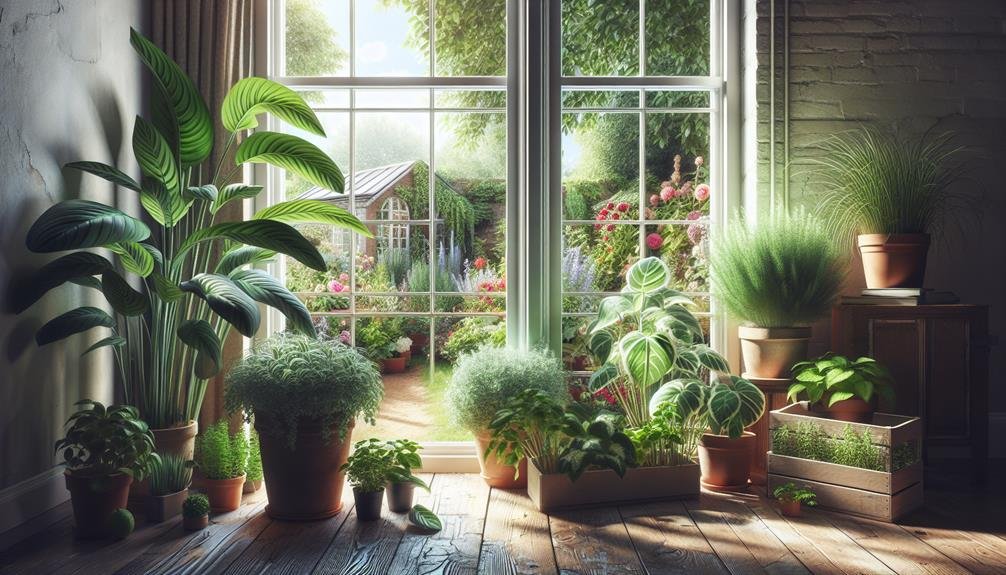
Maximize the growth of your outdoor plants by ensuring they receive ample natural sunlight throughout the day. Sunlight is crucial for the photosynthesis process, which is essential for plant growth and overall health. When choosing a spot for your outdoor plants, opt for areas that receive at least 6-8 hours of sunlight daily. Keep in mind that different plants have varying sunlight requirements, so it's essential to research the specific needs of each plant in your garden.
To make the most of natural sunlight, regularly check the positioning of your outdoor plants. Throughout the day, the angle of the sun changes, so rotating your plants can ensure they receive an even amount of sunlight on all sides. Additionally, consider using reflective surfaces such as white walls or light-colored stones to help bounce sunlight back onto your plants.
Seasonal Considerations
Consider adjusting your outdoor plant care routines based on the changing seasons to ensure optimal growth and health.
During the spring and summer months, plants are actively growing and require more frequent watering. Be sure to check the soil moisture regularly and water as needed. Additionally, these seasons are ideal for fertilizing outdoor plants to support their growth.
As fall approaches, outdoor plants start preparing for dormancy. Reduce the frequency of watering as the cooler temperatures slow down the plant's growth. It's also a good time to trim back any dead or overgrown branches to promote healthy growth in the following seasons.
Winter brings harsh conditions that can be challenging for outdoor plants. Consider moving cold-sensitive plants indoors or providing them with protective coverings. Reduce watering during this time, as plants need less moisture when they aren't actively growing.
Maintenance and Care Tips
To ensure the longevity and health of your indoor and outdoor houseplants, regular maintenance and care are essential.
For indoor plants, dust the leaves regularly to allow them to absorb sunlight efficiently. Keep an eye on the moisture levels in the soil, watering when the top layer feels dry. Trim any yellowing or dead leaves to encourage new growth. Rotate your indoor plants occasionally to ensure even growth on all sides.
Outdoor plants require similar attention. Prune dead or overgrown branches to promote healthy growth and airflow. Check for pests regularly and take appropriate measures to eliminate them. Weeding around outdoor plants is crucial to prevent competition for nutrients. Remember to water outdoor plants deeply but infrequently to encourage deep root growth.
Fertilize your plants according to their specific needs and the season. By providing consistent care and attention to both your indoor and outdoor houseplants, you can enjoy beautiful, thriving greenery in your living spaces.
Frequently Asked Questions
Are There Any Specific Houseplants That Are More Effective at Purifying Indoor Air Than Others?
When it comes to purifying indoor air, some houseplants stand out for their efficiency. Certain plants, like spider plants, snake plants, and peace lilies, are known for their air-purifying abilities.
These plants can help remove common indoor pollutants, making your living space healthier. Consider adding these plants to your indoor environment to enjoy cleaner air and a refreshing atmosphere.
How Can I Prevent Pests From Infesting My Indoor Houseplants?
To prevent pests from infesting your indoor houseplants, inspect them regularly for any signs of bugs or larvae. Wipe the leaves with a damp cloth to remove dust and potential eggs.
Avoid overwatering, as it can attract pests. Consider using natural remedies like neem oil or introducing beneficial insects like ladybugs to keep the pest population in check.
Proper care and maintenance can help keep your plants healthy and pest-free.
What Are Some Creative Ways to Incorporate Houseplants Into My Home Decor?
To incorporate houseplants into your home decor, consider hanging plants in macrame holders or placing them on stylish plant stands. Group different plants together to create a lush indoor garden vibe.
Mix in plants of varying heights and textures for visual interest. Don't forget to choose decorative pots that complement your home's aesthetic.
These simple additions can bring life and freshness to any room in your house.
Are There Any Outdoor Plants That Can Thrive in Low Sunlight Conditions?
When looking for outdoor plants that can thrive in low sunlight conditions, consider options like ferns, hostas, and coral bells. These plants can tolerate shade and still add beauty to your outdoor space.
Remember to provide them with occasional watering and proper soil to help them flourish in these conditions. With the right care, you can enjoy a lush garden even in areas with limited sunlight.
How Can I Protect My Outdoor Plants From Extreme Weather Conditions Such as Frost or Heat Waves?
To protect your outdoor plants from extreme weather like frost or heat waves, use mulch to insulate them. During frost, cover sensitive plants with cloth or frost blankets. Water before a heatwave to help them stay hydrated.
Consider using shade cloth to shield plants from excessive heat. Monitor the weather forecast and adjust your plant care routine accordingly to keep them safe and healthy.
Conclusion
In conclusion, whether you choose indoor or outdoor houseplants, both offer numerous benefits for your health and well-being. Indoor plants can purify the air and add beauty to your space, while outdoor plants benefit from natural sunlight and fresh air.
By considering the seasonal needs of your plants and following proper maintenance tips, you can maximize the benefits of both indoor and outdoor houseplants in your home. So go ahead, add some greenery to your life and reap the rewards!