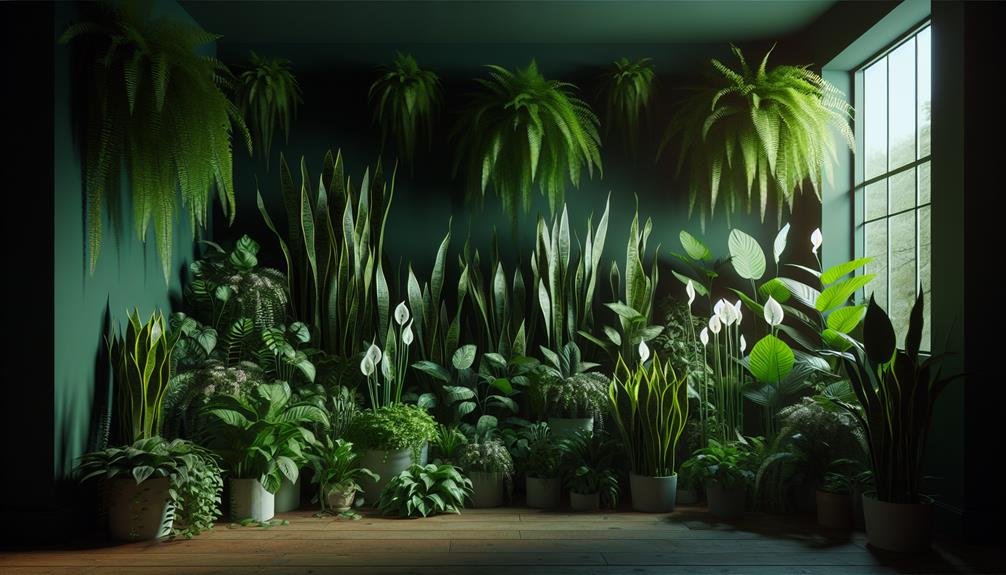
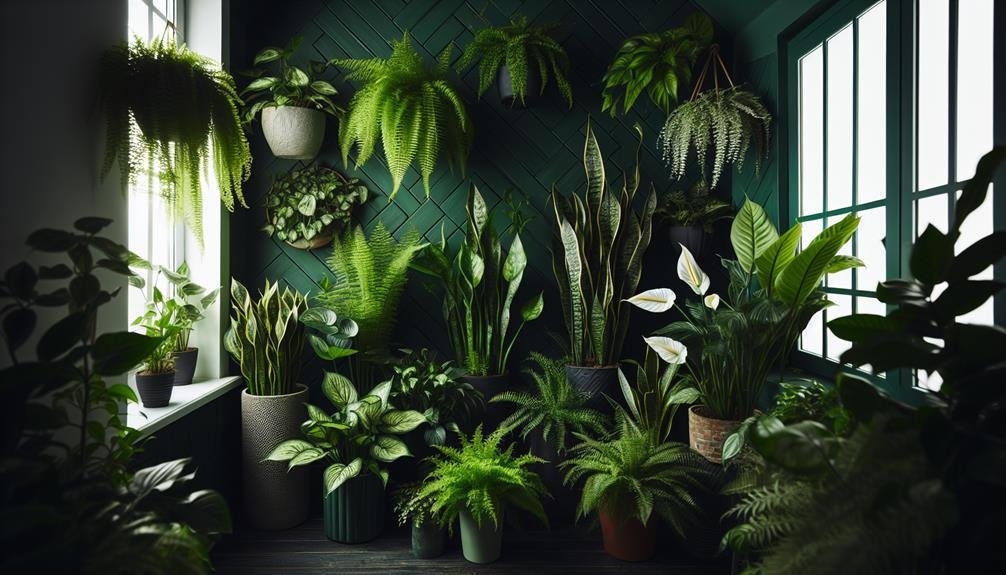
Discover how indoor and outdoor houseplants offer distinct advantages for your living spaces. From air quality benefits to health impacts, there's a plethora of factors to consider when choosing between the two.
But have you ever pondered the significant differences in light and temperature requirements between indoor and outdoor plants? Stay tuned to uncover the surprising ways these elements can influence the well-being of your leafy companions.
Air Quality Benefits
When it comes to improving indoor air quality, houseplants play a crucial role in filtering out pollutants and enhancing oxygen levels. Having indoor houseplants not only adds a touch of greenery to your living space but also brings a host of benefits. Plants such as peace lilies, spider plants, and aloe vera are known for their air-purifying qualities. They help remove toxins like formaldehyde, benzene, and trichloroethylene from the air, making your indoor environment healthier to breathe in.
In addition to filtering out pollutants, houseplants also release oxygen through the process of photosynthesis. This natural mechanism helps increase oxygen levels in your home, creating a fresher and more invigorating atmosphere. By having a variety of houseplants strategically placed around your living areas, you can significantly improve the overall air quality, making it cleaner and more pleasant to inhabit.
Light and Temperature Requirements
To ensure the optimal growth and health of your indoor houseplants, it's essential to understand their specific light and temperature requirements. Different plants have varying needs when it comes to light exposure. Some plants thrive in bright, indirect light, while others require direct sunlight to flourish. It's crucial to place your houseplants in locations that provide the appropriate amount of light for their species. Keep in mind that rotating your plants periodically can help ensure even growth.
Temperature also plays a significant role in the well-being of your indoor plants. Most houseplants prefer consistent temperatures ranging between 65-75°F (18-24°C) during the day and slightly cooler at night. Sudden temperature fluctuations can stress plants, so try to keep them away from drafts or vents.
Health and Well-Being Impacts
Considering the benefits of indoor vs outdoor houseplants, the health and well-being impacts are significant and worth exploring. Indoor houseplants not only add a touch of nature to your living space but also contribute to improving air quality. They act as natural air purifiers by absorbing toxins and releasing oxygen, creating a healthier indoor environment for you. Additionally, indoor plants have been shown to reduce stress, anxiety, and fatigue, promoting a sense of calm and well-being. The visual appeal of indoor plants can also enhance your mood and mental health.
On the other hand, outdoor houseplants offer unique health benefits as well. Spending time outdoors tending to your garden can boost your physical health by providing exercise and fresh air. The act of gardening has been linked to reducing the risk of heart disease and stroke, as well as improving overall fitness levels. The exposure to natural sunlight while caring for outdoor plants can also increase your vitamin D levels, which is essential for bone health and immune function. Both indoor and outdoor houseplants play a significant role in enhancing your health and well-being.
Maintenance and Care Considerations
For optimal growth and health of your houseplants, consistent maintenance and care are essential. Indoor plants typically require more attention compared to outdoor plants due to the controlled environment indoors. Regular watering is crucial – make sure to check the moisture levels in the soil regularly, especially during warmer months. Outdoor plants may benefit from natural rainfall but may still require supplemental watering during dry spells.
Light exposure is another critical factor. Indoor plants may need to be rotated periodically to ensure even growth on all sides. Outdoor plants should be placed according to their sunlight requirements to thrive. Regularly inspect your plants for pests and diseases. Indoor plants are more prone to certain pests due to the lack of natural predators, so keep an eye out for any signs of infestation.

Lastly, consider the potting mix. Indoor plants may need repotting more frequently as they outgrow their containers, while outdoor plants benefit from well-draining soil to prevent waterlogging. By staying diligent with maintenance and care, you can ensure your houseplants remain healthy and vibrant.
Aesthetic and Design Possibilities
Enhancing your living space with a variety of houseplants offers endless opportunities to elevate the aesthetic and design of your home. Indoor houseplants can serve as stunning focal points, adding a touch of natural beauty to any room. From lush, trailing vines to large, statement plants, there's a wide range of options to suit your style and preferences. By strategically placing houseplants in different areas of your home, you can create visual interest, add pops of color, and even improve the flow of the space.
In terms of design possibilities, houseplants can be used to complement existing decor or introduce new elements to refresh a room. Mixing and matching different plant types can create a dynamic and harmonious look. Additionally, the containers in which you choose to display your plants can further enhance the overall aesthetic. Whether you opt for sleek modern pots or vintage-inspired planters, the design choices are endless.
Incorporating houseplants into your home decor not only adds a touch of greenery but also allows you to showcase your personal style and creativity through unique arrangements and displays.
Frequently Asked Questions
Can Indoor Plants Help Reduce Stress and Anxiety Levels in Individuals?
Indoor plants can indeed help reduce stress and anxiety levels in individuals. Their presence can create a calming atmosphere and improve air quality, contributing to overall well-being.
Taking care of indoor plants can also provide a sense of purpose and routine, which can be beneficial for managing stress. Consider incorporating some greenery into your living space to experience the potential mental health benefits they may offer.
Are There Specific Outdoor Plants That Can Attract Certain Wildlife to My Garden?
If you're wondering about specific outdoor plants that can attract wildlife to your garden, there are many options available. Plants like butterfly bushes, sunflowers, and milkweed can attract butterflies and bees.
Meanwhile, bird-friendly plants like sunflowers, coneflowers, and berry-producing shrubs can bring in feathered visitors. By strategically choosing these plants, you can create a vibrant ecosystem right in your backyard that benefits both wildlife and your garden's beauty.
Do Indoor Plants Require More Frequent Watering Compared to Outdoor Plants?
Indoor plants generally need more frequent watering compared to outdoor plants due to their limited access to natural elements like rain. Because indoor environments can have lower humidity levels, plants may dry out faster and need more water.
Be sure to monitor the moisture levels of indoor plant soil regularly and adjust your watering schedule accordingly to keep your plants healthy and thriving.
Can Outdoor Plants Help Improve the Overall Air Quality in a Neighborhood?
Yes, outdoor plants can significantly enhance the air quality in your neighborhood. They absorb pollutants, release oxygen, and contribute to a healthier environment overall.
By planting more greenery outdoors, you can help combat air pollution and create a more breathable atmosphere for everyone.
Are There Any Houseplants That Are Known to Repel Insects and Pests Effectively?
Sure!
Some houseplants are effective at repelling insects and pests. Plants like lavender, basil, mint, and rosemary can help keep bugs at bay with their natural scents.
These plants not only add greenery to your home but also serve as a natural pest control solution.
Conclusion
In conclusion, whether you choose indoor or outdoor houseplants, both offer unique benefits that can enhance your living space and well-being. Indoor plants are great for improving air quality and adding a touch of nature to your home, while outdoor plants thrive in natural sunlight and fresh air.
Consider your lifestyle and space constraints when deciding which type of plant is best for you, and enjoy the beauty and benefits that houseplants can bring to your life.