When it comes to plants, they can be like a mirror reflecting your personality and style. Have you ever wondered which varieties are best suited for your indoor oasis or outdoor garden?
Expert guidance can help you navigate the vast world of plant species, ensuring you make the right choices for your space and lifestyle. From vibrant blooms to soothing greens, the distinction between indoor and outdoor plants is not just about location but also about the unique care each variety requires.
Explore how selecting the right plants can elevate your surroundings and bring a touch of nature into your life.
Best Indoor Plants for Beginners
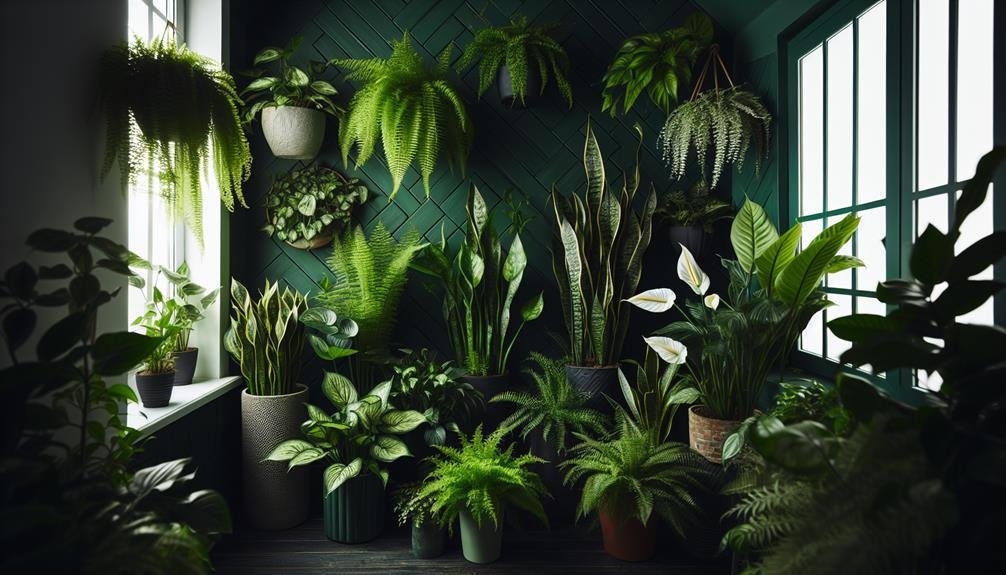
When starting your indoor plant journey, opt for low-maintenance varieties like pothos and spider plants. These plants are great for beginners as they require minimal attention and can thrive in various indoor conditions.
Pothos, with its vibrant green leaves, can tolerate low light and irregular watering, making it a perfect choice for those new to plant care. Similarly, spider plants are known for their air-purifying qualities and resilience, able to bounce back quickly even if you forget to water them occasionally.
Having these types of plants in your indoor space not only adds a touch of nature but also helps improve air quality. They're versatile, growing well in hanging baskets, pots, or even in water if you prefer. Remember to place them in indirect sunlight and water them when the top layer of soil feels dry to the touch.
Colorful Outdoor Flower Varieties
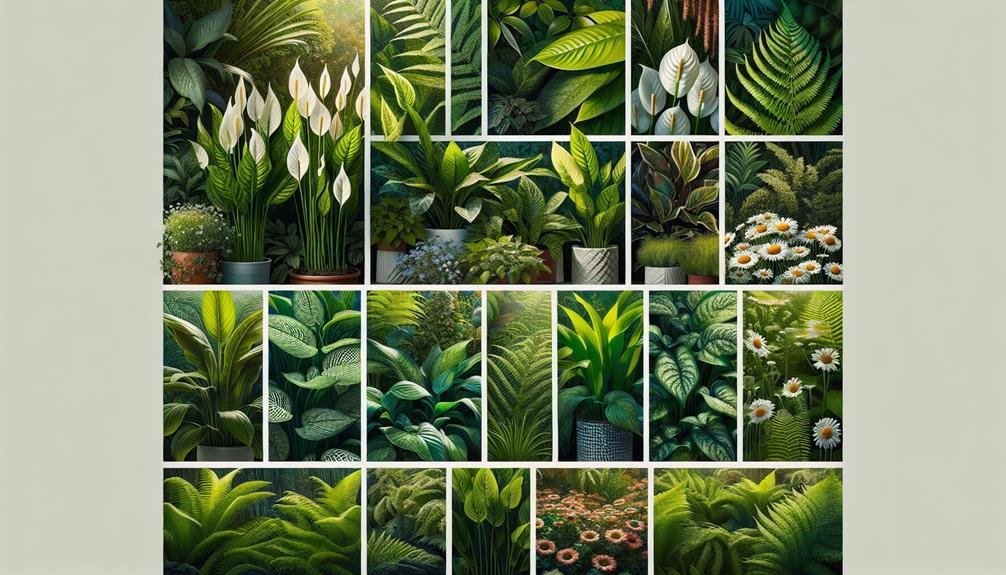
Colorful outdoor flower varieties brighten up any garden with their vibrant hues and captivating blooms. When choosing flowers to add a pop of color to your outdoor space, consider options like petunias, marigolds, and zinnias. Petunias come in a wide range of colors, from soft pastels to bright neons, and they thrive in sunny locations. Marigolds, with their golden, orange, or red tones, not only look beautiful but also help repel pests. Zinnias are another excellent choice, offering a rainbow of colors and attracting pollinators to your garden.
For a more elegant touch, try planting some hydrangeas or roses. Hydrangeas bloom in shades of blue, pink, purple, and white, adding a touch of charm to any outdoor setting. Roses, with their classic beauty and fragrant blooms, are available in various colors and types to suit your garden style.
Don't forget about the cheerful sunflowers and the delicate pansies, both of which can bring a sense of joy and playfulness to your outdoor space. With these colorful outdoor flower varieties, you can create a vibrant and visually appealing garden that will surely brighten your days.
Low-Light Indoor Plant Options
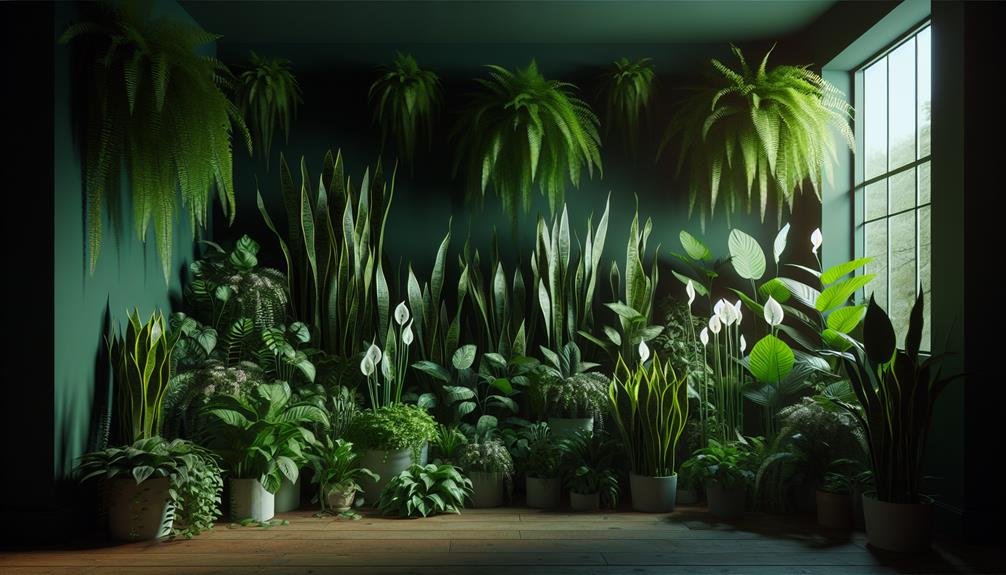
Consider adding low-light indoor plants to your space for a touch of greenery even in dimly lit areas. Low-light indoor plants are ideal for rooms with minimal natural light, making them perfect for offices, bathrooms, or bedrooms without large windows.

Some excellent options to consider include the resilient snake plant, which thrives in low light and requires minimal maintenance. The pothos plant is another great choice, known for its trailing vines and air-purifying qualities.
If you prefer flowering plants, the peace lily is a beautiful option that can bloom even in low-light conditions. For a unique touch, consider the ZZ plant with its glossy leaves adding a modern flair to any space.
These low-light indoor plants not only brighten up your home but also come with added benefits like purifying the air and creating a calming atmosphere. Add a few of these plants to your indoor collection to bring life to even the darkest corners of your home.
Fragrant Outdoor Herbs and Shrubs
Enhance your outdoor space with the delightful scents of fragrant herbs and shrubs. Adding fragrant outdoor plants not only creates a pleasant atmosphere but also attracts beneficial insects to your garden.
Consider planting lavender, known for its calming aroma and beautiful purple flowers. Rosemary is another excellent choice, with its woody scent and culinary uses. The sweet fragrance of jasmine can fill your garden with a romantic essence, perfect for evening strolls. For a burst of citrusy scent, lemon verbena is a fantastic option that also serves as a natural mosquito repellent.
The aromatic foliage of mint varieties like peppermint or spearmint not only smells refreshing but also has practical uses in teas and culinary dishes. Thyme, oregano, and sage are versatile herbs that thrive in outdoor settings, providing both fragrance and flavor to your outdoor space.
Additionally, fragrant shrubs like lilac, viburnum, and mock orange can add depth and complexity to your garden's olfactory experience. Choose a variety of fragrant herbs and shrubs to enjoy a symphony of scents in your outdoor sanctuary.
Drought-Tolerant Plants for Indoors
Explore a variety of low-maintenance indoor plants that thrive in dry conditions, perfect for those seeking to add greenery to their home without the need for frequent watering. Succulents like aloe vera, snake plants, and zebra cacti are excellent choices for indoor spaces with limited watering requirements. These plants store water in their leaves, making them well-equipped to survive in dry environments.
Spider plants and peace lilies are also great options that can tolerate periods of drought without harm. Their resilient nature makes them ideal for busy individuals or those looking to enhance their indoor spaces with minimal effort.
Additionally, consider adding air plants to your indoor garden; they absorb moisture through their leaves and require only occasional misting. By selecting these drought-tolerant plants, you can enjoy a lush indoor garden without the constant worry of overwatering or dry conditions, bringing a touch of nature into your home effortlessly.
Frequently Asked Questions
Can Outdoor Plants Be Successfully Grown Indoors?
Yes, outdoor plants can sometimes be successfully grown indoors with proper care. Factors like light, humidity, and temperature need to be adjusted to mimic outdoor conditions. Some outdoor plants may struggle indoors due to space limitations or lack of suitable conditions.
However, with research and effort, many outdoor plant varieties can adapt to indoor environments and thrive in pots or planters. Experiment to find what works best for each plant.
What Are Some Plant Varieties That Can Thrive in Both Indoor and Outdoor Environments?
Sure thing!
Some plant varieties that can thrive both indoors and outdoors include spider plants, pothos, and peace lilies. These plants are versatile and adaptable to different environments, making them excellent choices for both settings.
Remember to provide adequate light, water, and care to ensure their health and growth.
Enjoy the benefits of having these plants enhance your indoor and outdoor spaces with their beauty and air-purifying qualities.
How Often Should Indoor Plants Be Repotted?
When it comes to repotting indoor plants, it's essential to pay attention to their growth. Typically, you should repot indoor plants every 1-2 years to give them room to thrive and access to fresh nutrients.
Signs that your plant may need repotting include roots coming out of the drainage holes or when the plant looks crowded in its current container. Regular repotting helps maintain the health and vitality of your indoor plants.
Are There Any Indoor Plants That Are Safe for Pets?
When choosing indoor plants that are safe for pets, it's crucial to consider ones that are non-toxic to your furry friends.
Some popular pet-friendly options include spider plants, Boston ferns, and air plants.
These plants not only add greenery to your space but also provide a safe environment for your pets.
Remember to research specific plants to ensure they're safe for your particular pets before bringing them home.
What Are Some Common Pests That Can Affect Both Indoor and Outdoor Plants, and How Can They Be Controlled?
When dealing with common pests affecting plants, look out for aphids, spider mites, and whiteflies indoors and outdoors.
Control these critters by using insecticidal soap, neem oil, or introducing beneficial insects like ladybugs.
Regularly inspect your plants for signs of infestation and act promptly to prevent further damage.
Conclusion
Now that you have a guide to expert-approved indoor and outdoor plant varieties, you can easily incorporate more greenery into your home or garden.
Whether you're a beginner looking for low-maintenance options or want to add a pop of color with vibrant flowers, there are plenty of options to choose from.
With the right plants, you can create a beautiful and thriving indoor oasis or outdoor sanctuary to enjoy all year round.
Happy planting!