Have you ever wondered why outdoor plants are often recommended for beginners in gardening?
The answer lies in their ability to thrive with minimal effort on your part. But there's more to it than just that.
Outdoor plants offer a range of benefits that make them ideal for those new to gardening.
Stay tuned to discover why starting with outdoor plants can set you on the path to a successful and enjoyable gardening journey.
Low Maintenance
If you want to enjoy beautiful outdoor plants without much effort, opt for low-maintenance varieties that thrive with minimal care. These plants are perfect for beginners looking to add greenery to their outdoor spaces without the need for constant attention.
Low-maintenance outdoor plants include succulents, such as aloe vera and sedum, which require infrequent watering and can withstand various weather conditions. Another excellent option is the hardy daylily, known for its vibrant blooms and ability to grow in almost any soil type.
For a touch of elegance, consider planting ornamental grasses like fountain grass or zebra grass. These grasses add texture and movement to your outdoor area while being easy to maintain. Additionally, shrubs like lavender and butterfly bush are great choices for low-maintenance gardening, as they attract pollinators and only need occasional pruning.
Beginner-Friendly
For novice gardeners looking to start their outdoor plant journey, selecting beginner-friendly plants can set you up for success with minimal hassle. These plants are typically resilient, adaptable, and require basic care, making them perfect for those new to gardening.
As a beginner, you want plants that are forgiving of occasional neglect, adapt well to different environments, and are generally easy to grow. Some popular beginner-friendly outdoor plants include succulents, marigolds, pansies, and hostas. Succulents, known for their water-storing abilities, are low-maintenance and come in various shapes and sizes.
Marigolds and pansies are colorful annual flowers that bloom profusely and are relatively hardy. Hostas are leafy perennials that thrive in shade and are known for their lush foliage. By choosing beginner-friendly plants, you can build confidence in your gardening skills and enjoy the process of nurturing these resilient beauties.

Remember to start small and gradually expand your outdoor plant collection as you gain more experience.
Forgiving of Mistakes
Wondering which outdoor plants are forgiving of mistakes for beginner gardeners? When starting your gardening journey, it's essential to choose plants that can withstand a few errors along the way. Outdoor plants like succulents, such as aloe vera or sedum, are excellent choices for beginners. These plants store water in their leaves, making them more tolerant of occasional forgetfulness when it comes to watering.
Another forgiving outdoor plant option is the spider plant. Spider plants are resilient and can thrive in various light conditions, making them perfect for those still learning about optimal plant placement. Additionally, spider plants produce offsets called 'spiderettes,' which can be propagated into new plants, providing beginners with an easy way to expand their garden.
For those who tend to overwater, consider growing mint or lavender outdoors. These plants are more forgiving of excess moisture and can even benefit from it. Mint and lavender also have pleasant fragrances and can attract beneficial insects to your garden. By selecting forgiving outdoor plants, you can enjoy the learning process without stressing over every little mistake.
Health Benefits
Considering the forgiving nature of certain outdoor plants for beginners, exploring their associated health benefits can provide an additional layer of incentive to cultivate your garden. Beyond the joy of gardening, outdoor plants offer various health advantages that can enhance your overall well-being.
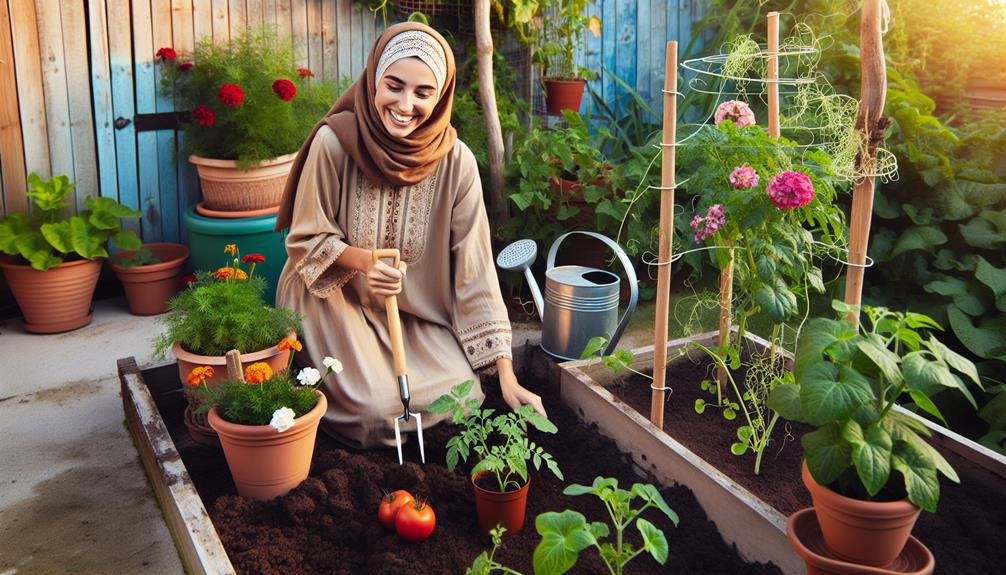
Firstly, gardening is a fantastic way to get some exercise without feeling like you're working out. Digging, planting, and weeding are physical activities that can help improve your strength, stamina, and flexibility. Engaging in these tasks regularly can contribute to a healthier lifestyle.
Additionally, being surrounded by greenery has been shown to reduce stress levels and promote mental well-being. The act of caring for plants and watching them grow can be incredibly therapeutic, offering a sense of accomplishment and calmness.
Furthermore, many outdoor plants have air-purifying qualities, which can help to improve the air quality around your home. This can lead to better respiratory health and a cleaner environment for you and your family to enjoy.
Suitable for Any Space
If you have limited space, there are outdoor plants that are suitable for any area, making gardening accessible to everyone. Whether you have a small balcony, a tiny patio, or just a windowsill, there are outdoor plants that can thrive in these spaces.
Succulents like aloe vera or jade plants are perfect for compact areas due to their ability to store water, requiring minimal maintenance. Hanging baskets filled with flowers such as petunias or begonias can add a pop of color without taking up much ground space.
Climbing plants like ivy or jasmine are great for vertical spaces, adding a touch of greenery to walls or trellises. Additionally, herbs like basil, mint, or chives can be grown in small pots or even a vertical herb garden, providing fresh ingredients for your culinary endeavors.
Frequently Asked Questions
What Are Some Common Pests and Diseases That Outdoor Plants Are Susceptible To, and How Can Beginners Effectively Manage Them?
When growing outdoor plants, common pests and diseases that you may encounter include aphids, spider mites, powdery mildew, and fungal infections.
To effectively manage them as a beginner, regularly inspect your plants for any signs of infestation or disease. Introduce beneficial insects like ladybugs to combat pests naturally.
Consider using organic pesticides or fungicides if the problem persists. Pruning infected areas and maintaining proper plant hygiene can also help prevent further issues.
Are There Specific Outdoor Plants That Are Better Suited for Different Climates or Regions, and How Can Beginners Determine Which Ones Will Thrive in Their Area?
When choosing outdoor plants, consider your climate and region. Research plants native to your area, as they tend to thrive effortlessly.
Check the plant's sunlight and water requirements to ensure it suits your environment. Use resources like local nurseries or gardening websites for guidance.
How Often Should Outdoor Plants Be Watered, and What Signs Should Beginners Look for to Know When Their Plants Need Watering?
Water your outdoor plants based on their individual needs. Check the soil moisture regularly by sticking your finger in the soil about an inch deep. If it feels dry, it's time to water.
Signs of underwatering include wilting leaves and dry soil. Overwatering can cause yellowing leaves and root rot. Remember, it's better to underwater than overwater, so observe your plants closely and adjust your watering schedule accordingly.
Are There Any Specific Fertilizers or Soil Amendments That Beginners Should Consider Using for Outdoor Plants, and How Often Should They Be Applied?
For your outdoor plants, consider using a balanced fertilizer with equal parts nitrogen, phosphorus, and potassium. Apply every 4-6 weeks during the growing season.
Additionally, organic soil amendments like compost can improve soil quality and provide essential nutrients. Make sure to follow the recommended application rates on the product labels.
Regular fertilizing and amending the soil will help ensure your plants have the nutrients they need for healthy growth.
What Are Some Common Pruning and Maintenance Tasks That Beginners Should Regularly Perform on Their Outdoor Plants to Ensure Their Health and Longevity?
Regular pruning and maintenance tasks are crucial for the health of your outdoor plants. It's essential to regularly check for any dead or diseased branches and remove them to promote new growth.
Trimming back overgrown areas can also help maintain the plant's shape and encourage flowering. Additionally, keeping an eye out for pests and diseases, as well as watering and fertilizing as needed, will ensure the longevity of your outdoor plants.
Conclusion
In conclusion, outdoor plants are the perfect choice for beginners due to their low maintenance, forgiving nature, and various health benefits. They require minimal effort and are resilient to mistakes, making them ideal for those new to gardening.
Additionally, outdoor plants can thrive in any space, whether it be a small balcony or a spacious backyard. So, if you're just starting out, consider starting with outdoor plants to enjoy the beauty of nature with ease.