
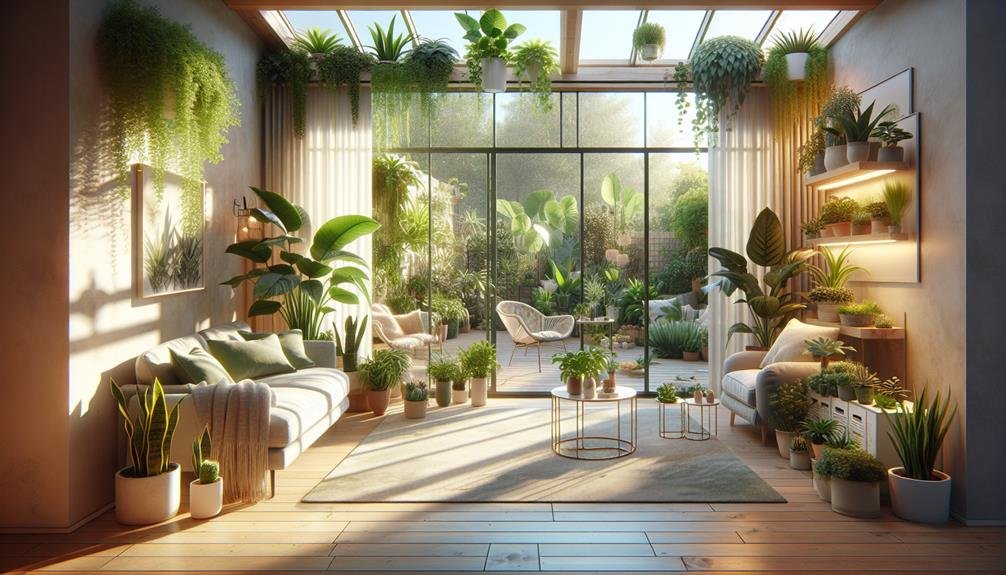
If you're pondering on planting, ponder no more! Discovering the best houseplants for beginners can be a rewarding journey.
Indoor or outdoor, the options are plentiful, and the benefits they bring are worth exploring. From easy-to-care-for foliage to vibrant blooms, each type offers its unique charm.
Whether you're leaning towards lush greenery inside or a touch of nature in your outdoor space, the world of houseplants is vast. Let's navigate through the possibilities together, guiding you towards the ideal choice for your budding green thumb.
Benefits of Indoor Houseplants
Houseplants offer numerous benefits that can positively impact your indoor environment and well-being. Not only do they add a touch of nature to your living space, but they also help purify the air by absorbing toxins and releasing oxygen. Indoor plants can boost your mood, reduce stress levels, and increase productivity. The presence of greenery indoors has been linked to improved concentration and memory retention.
Caring for houseplants can also be a rewarding hobby that promotes relaxation and mindfulness. The act of nurturing a plant and watching it grow can bring a sense of accomplishment and pride. Additionally, having indoor plants can help regulate humidity levels in your home, creating a more comfortable living environment.
Incorporating houseplants into your indoor space can also enhance the aesthetic appeal of your home. They come in a variety of shapes, sizes, and colors, allowing you to personalize your decor and create a cozy atmosphere. So, consider bringing some green companions into your home and experience the many benefits they've to offer.
Top Indoor Houseplants for Beginners
Looking to start your indoor plant journey as a beginner? Here are some top indoor houseplants that are perfect for those just starting out.
The Snake Plant, also known as Mother-in-Law's Tongue, is a hardy plant that thrives on neglect, making it great for beginners. Its striking upright leaves add a touch of elegance to any room.
Another excellent choice is the Spider Plant, known for its air-purifying qualities and easy care requirements. Its arching leaves and ability to produce baby plants or 'spiderettes' make it a fun addition to your indoor garden.
If you're looking for a pop of color, consider the African Violet. With proper care, these plants reward you with beautiful blooms in various shades of purple, pink, and white.

Lastly, the Pothos plant is virtually indestructible and can tolerate low light conditions. Its trailing vines bring a lush, green element to your space.
These beginner-friendly houseplants are sure to brighten up your home while being easy to maintain.
Advantages of Outdoor Houseplants
Considering the benefits of incorporating outdoor houseplants into your living spaces can further enhance your gardening experience and connection with nature. Outdoor houseplants offer advantages that can elevate your gardening journey. One significant benefit is the ample natural light available outdoors, providing optimal conditions for many plants to thrive. Your outdoor houseplants will also benefit from natural air circulation, which helps prevent common indoor plant issues like mold and pests. Moreover, outdoor houseplants often have more room to grow, allowing them to reach their full potential in size and beauty.
Additionally, outdoor houseplants contribute to a healthier environment by improving air quality through the process of photosynthesis. This natural purification system can enhance the air you breathe and create a more refreshing atmosphere in your outdoor living spaces. By introducing outdoor houseplants, you can create inviting outdoor retreats that aren't only visually appealing but also beneficial for your overall well-being.
Best Outdoor Houseplants for Beginners
For beginners venturing into outdoor gardening, starting with easy-to-care-for plants can set you up for success in nurturing your green thumb. Consider starting with Marigolds, known for their bright blooms and ability to thrive in various conditions. These hardy plants require minimal maintenance and are great for beginners.
Another excellent choice is the Geranium, which offers colorful flowers and is resilient in different climates. Geraniums are low maintenance and can add a pop of color to your outdoor space.
If you prefer green foliage, the Spider Plant is an ideal option. This plant is adaptable to different light conditions and is known for its air-purifying qualities.
Lastly, the Lavender plant not only adds a pleasant fragrance to your garden but also attracts pollinators like bees and butterflies. With these outdoor houseplant options, you can kickstart your gardening journey with confidence and ease.
Tips for Caring for New Houseplants
To ensure the health and vitality of your new houseplants, prioritize understanding their specific care needs and creating a consistent maintenance routine. Start by researching each plant's requirements for sunlight, water, and soil. Place sun-loving plants near windows that receive ample light and shade-loving ones in areas with indirect sunlight. When watering, check the soil moisture levels regularly and adjust your watering schedule accordingly. Overwatering can lead to root rot, while underwatering can cause wilting.
Regularly dust the leaves with a damp cloth to help the plants photosynthesize efficiently. Keep an eye out for any signs of pests or disease, such as yellowing leaves or unusual spots. If needed, gently wipe the leaves with insecticidal soap or prune affected areas. Rotate your plants occasionally to ensure even growth on all sides.
Lastly, consider fertilizing your houseplants during the growing season to provide them with essential nutrients. Follow the instructions on the fertilizer package and avoid overfertilizing, as it can harm the plants. By paying attention to these care tips and being consistent in your maintenance routine, your new houseplants will thrive and beautify your home.
Frequently Asked Questions
What Are Some Common Mistakes Beginners Make When Caring for Indoor Houseplants?
When caring for indoor houseplants, beginners often make mistakes like overwatering, not providing enough light, or neglecting proper drainage. It's crucial to understand each plant's specific needs and create a consistent care routine.
Remember to check the soil moisture before watering and ensure your plants receive adequate sunlight. Don't forget to research each plant's requirements to help them thrive in your home environment.
Are There Any Houseplants That Are Toxic to Pets and Should Be Avoided?
When choosing houseplants, remember some can be harmful to pets. Keep furry friends safe by avoiding toxic plants like lilies, aloe vera, and philodendrons.
Research pet-friendly options to create a safe indoor environment for both your plants and your animals. Always check plant toxicity before bringing a new houseplant home to prevent any unwanted accidents.
Your pets will thank you for it!
How Can I Tell if My Houseplant Is Getting Enough or Too Much Sunlight?
To determine if your houseplant is getting the right amount of sunlight, observe its leaves. If they're turning yellow or brown, the plant might be getting too much sun.
On the other hand, if the leaves are drooping or the plant isn't growing much, it mightn't be getting enough sunlight.
Adjust the plant's location accordingly to ensure it thrives.
Can Outdoor Houseplants Be Brought Indoors During the Winter Months?
Yes, you can bring outdoor houseplants indoors during winter. It's important to gradually acclimate them to lower light levels to prevent shock. Before bringing them in, check for pests and diseases.
Place them in a sunny spot and monitor their watering needs, as indoor conditions may differ from outdoors. Remember to provide proper humidity levels and keep an eye on plant health throughout the winter months.
What Are Some Natural Pest Control Methods for Houseplants That Are Safe for Indoor Environments?
To keep your indoor plants pest-free, try natural methods.
Neem oil spray deters pests like aphids and spider mites. A mixture of water and dish soap can suffocate insects. Ladybugs are also effective predators. Keep plants clean and remove dead leaves to prevent infestations.
Additionally, placing a layer of sand on the soil can deter gnats. Regularly inspect your plants to catch any issues early and maintain a healthy environment.
Conclusion
So, whether you choose indoor or outdoor houseplants, there are plenty of options for beginners to enjoy the benefits of gardening.
Remember to keep your new plants watered, give them plenty of sunlight, and watch them thrive in your home or garden.
With a little care and attention, you'll soon be on your way to becoming a successful plant parent!



