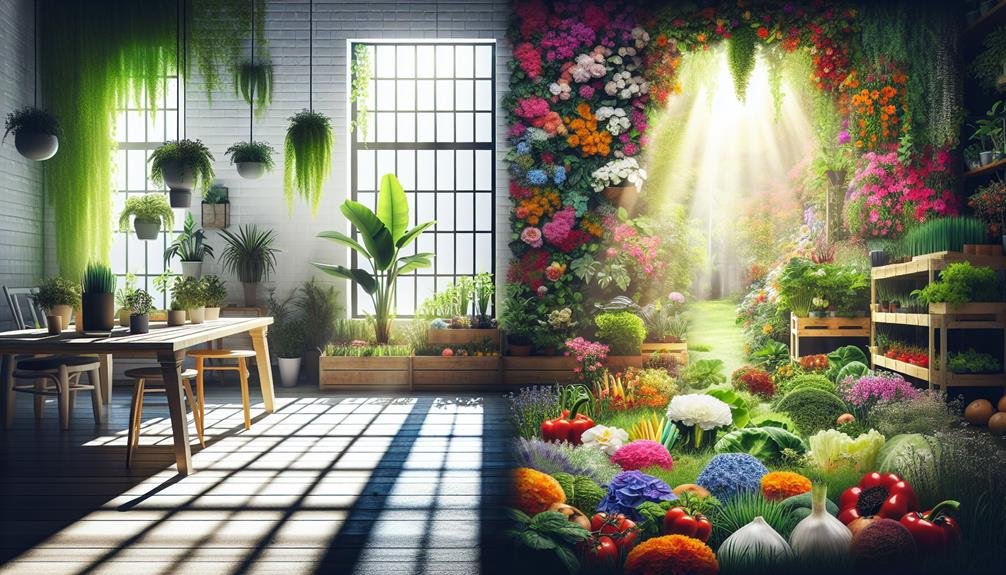
Imagine you've just moved into a cozy apartment with limited sunlight. You're excited to start your plant journey but unsure if indoor plants are the way to go.
Deciding between indoor and outdoor plants can be a daunting task for beginners. However, considering factors like space, light availability, and maintenance level can help you make the right choice.
Let's explore the pros and cons of each to set you on the path to successful plant parenting.
Benefits of Indoor Plants
When considering indoor plants, you'll discover a range of benefits that can enhance your living space and overall well-being. Not only do indoor plants add a touch of nature to your home decor, but they also improve air quality by absorbing toxins and releasing oxygen. Having plants indoors can boost your mood and reduce stress levels, creating a more relaxing environment for you to unwind in after a long day. Additionally, caring for indoor plants can provide a sense of purpose and accomplishment as you watch them grow and thrive under your care.
Furthermore, indoor plants have been shown to increase productivity and concentration, making them ideal for placing in your home office or study area. The presence of greenery indoors can also help reduce background noise levels, promoting a quieter and more peaceful atmosphere. Overall, incorporating indoor plants into your living space can have a multitude of positive effects on both your physical and mental well-being.
Considerations for Outdoor Plants
Considering outdoor plants for your living space opens up a whole new realm of possibilities to enhance your surroundings. Before selecting outdoor plants, evaluate the amount of sunlight your outdoor area receives. Different plants require varying levels of sunlight, so understanding your space's sunlight patterns will help you choose plants that will thrive. Additionally, consider the climate in your region. Some plants are better suited for warmer climates, while others can withstand colder temperatures. It's essential to pick plants that are well-suited for the weather conditions in your area to ensure their survival.
Another crucial consideration is the size of your outdoor space. Larger plants or those that spread out may overwhelm a small area, while tiny plants might get lost in a vast garden. Think about the scale of your space and choose plants that complement it. Furthermore, assess the maintenance requirements of the plants you're interested in. Some outdoor plants need frequent watering and pruning, while others are more low-maintenance. Select plants that align with the amount of time and effort you can dedicate to their care. By taking these factors into account, you can make informed decisions when incorporating outdoor plants into your living space.
Easy-to-Grow Indoor Plant Options
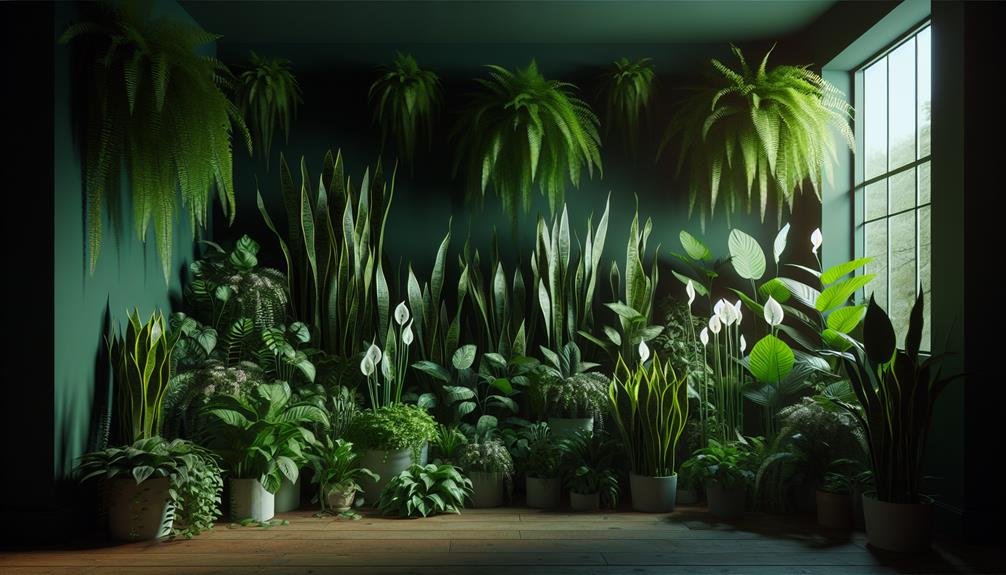
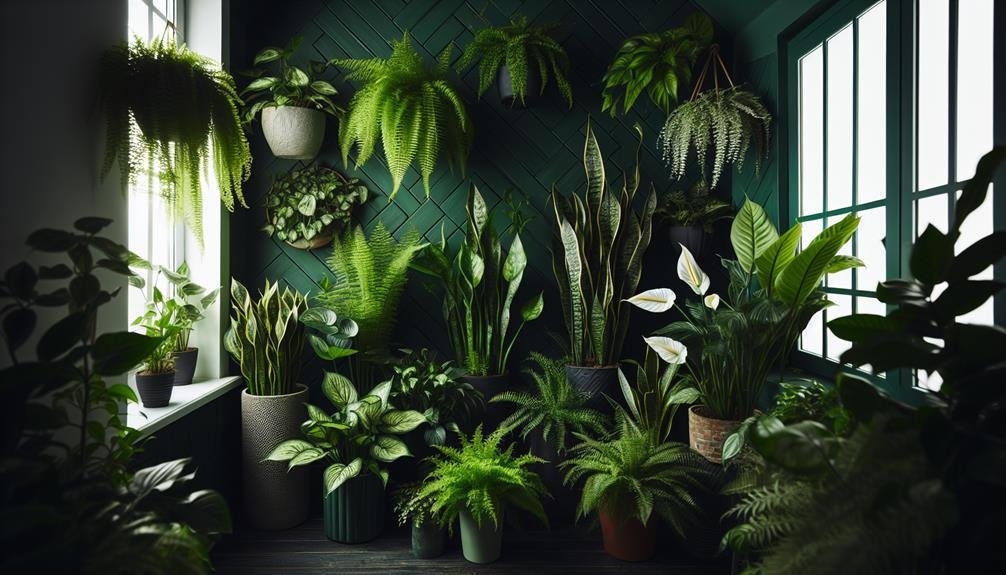
Indoor plants that are easy to grow can effortlessly add greenery and life to your indoor spaces. If you're a beginner looking to brighten up your home with low-maintenance plants, consider options like the Spider Plant. This resilient plant thrives in various conditions and helps purify the air.
Another great choice is the Pothos, known for its trailing vines and ability to thrive in low light. The Snake Plant is a hardy option that can survive with minimal care and even helps improve indoor air quality by removing toxins.
If you prefer flowering plants, the Peace Lily is a beautiful yet undemanding choice that blooms indoors with little sunlight. Lastly, the ZZ Plant is practically indestructible, requiring minimal watering and thriving in various light conditions.

These easy-to-grow indoor plants are perfect for beginners and will enhance the ambiance of your living spaces effortlessly.
Best Outdoor Plants for Beginners
To expand your green thumb skills beyond indoor plants, exploring the best outdoor options for beginners can introduce you to a whole new world of gardening possibilities. When starting your outdoor plant journey, consider low-maintenance options like marigolds, which boast vibrant colors and are resilient to different weather conditions.
Another excellent choice is the zinnia, known for its bright blooms and ability to attract pollinators to your garden. If you're looking for a versatile plant that can thrive in various environments, the daylily is a great option. Its colorful flowers and minimal care requirements make it ideal for beginners.
For those interested in growing herbs, mint is a fantastic outdoor plant to start with. It's hardy, fragrant, and can be used in various culinary dishes. Lastly, the sunflower is a classic choice for beginners due to its easy cultivation and impressive height. These outdoor plants are perfect for beginners looking to enhance their gardening skills and enjoy the beauty of nature.
Maintenance Tips for Indoor and Outdoor Plants
For successful plant care, prioritize regular watering and adequate sunlight exposure for both indoor and outdoor plants. Indoor plants typically require watering once a week, but this can vary depending on the plant type and environment. Before watering, check the soil moisture level by inserting your finger into the soil about an inch deep; if it feels dry, it's time to water. Ensure proper drainage to prevent waterlogging, which can lead to root rot.
When it comes to sunlight, indoor plants generally thrive in bright, indirect light. Rotate your plants occasionally to ensure even growth on all sides. Outdoor plants, on the other hand, may have varying sunlight needs based on their species. Research the specific requirements of each plant to provide adequate light exposure.
Regularly inspect your plants for any signs of pests or diseases. If detected, promptly treat the issue with appropriate solutions to prevent it from spreading. Lastly, don't forget to occasionally fertilize your plants to ensure they receive essential nutrients for healthy growth. By following these maintenance tips, you can help your indoor and outdoor plants thrive.
Frequently Asked Questions
How Can I Tell if a Plant Is Suitable for Both Indoor and Outdoor Environments?
To determine if a plant is suitable for both indoor and outdoor environments, look for ones that can thrive in various light conditions and temperatures. Check the plant's care instructions for guidance on its adaptability.
Consider factors like humidity levels and space requirements to ensure it can transition between indoor and outdoor settings. Research the plant's specific needs to guarantee it will flourish in both environments effortlessly.
Are There Any Specific Soil Requirements for Indoor Plants That Differ From Outdoor Plants?
When caring for indoor plants, remember that they've different soil needs compared to outdoor plants.
Indoor plants often require well-draining soil to prevent waterlogging and root rot.
Look for potting mixes specifically formulated for indoor plants, ensuring proper aeration and moisture retention.
Keep an eye out for soil that's lightweight and rich in organic matter to support your indoor plants' growth and health.
Can Outdoor Plants Be Brought Indoors During Cold Weather, and if So, How Should I Acclimate Them?
When bringing outdoor plants indoors during cold weather, you should acclimate them gradually. Start by placing them in a shaded area inside for a few hours a day, then gradually increase the time over a week.
Ensure the indoor environment matches their sunlight and humidity needs. Watch for signs of stress like wilting or yellowing leaves, and adjust care accordingly.
Acclimating outdoor plants helps them transition smoothly and thrive in their new indoor environment.
Are There Any Common Pests or Diseases That Affect Both Indoor and Outdoor Plants That Beginners Should Watch Out For?
When caring for plants, watch out for common pests like aphids and diseases such as powdery mildew that can affect both indoor and outdoor plants. Keep an eye out for signs like yellowing leaves or spots on the foliage.
Regularly inspect your plants and take quick action if you notice any issues. Remember, early detection and proper treatment are key to keeping your plants healthy and thriving.
What Are Some Creative Ways to Incorporate Both Indoor and Outdoor Plants Into My Home Decor?
To incorporate both indoor and outdoor plants into your home decor, try mixing different plant sizes and types to create visual interest. Use hanging planters for vertical space, or place plants on shelves for a layered look. Consider grouping plants of varying heights together for a dynamic display.
Don't forget to choose pots that complement your decor style. With a bit of creativity, you can seamlessly blend indoor and outdoor plants for a beautiful home environment.
Conclusion
In conclusion, whether you choose indoor or outdoor plants as a beginner, both options have their own benefits and considerations to keep in mind.
Indoor plants can thrive in controlled environments while outdoor plants may require more attention to weather conditions.
With easy-to-grow options available for both indoor and outdoor settings, you can enjoy the beauty and benefits of plants regardless of your choice.
Remember to regularly maintain and care for your plants to ensure their health and growth.