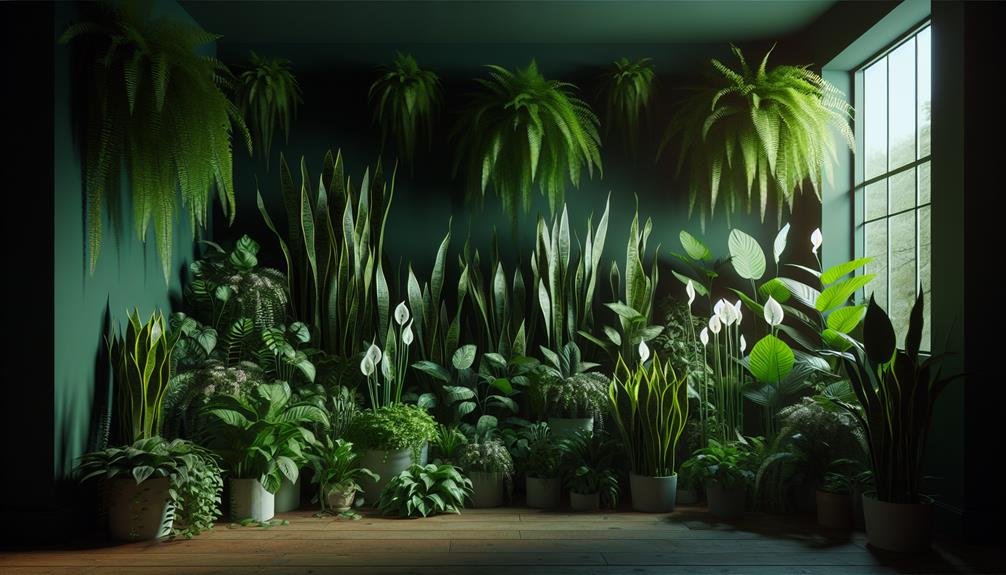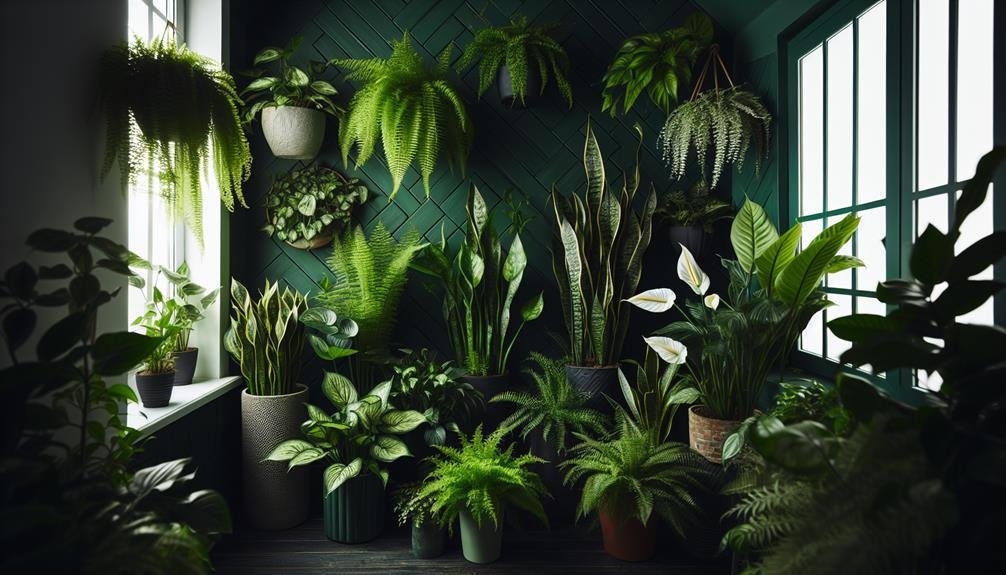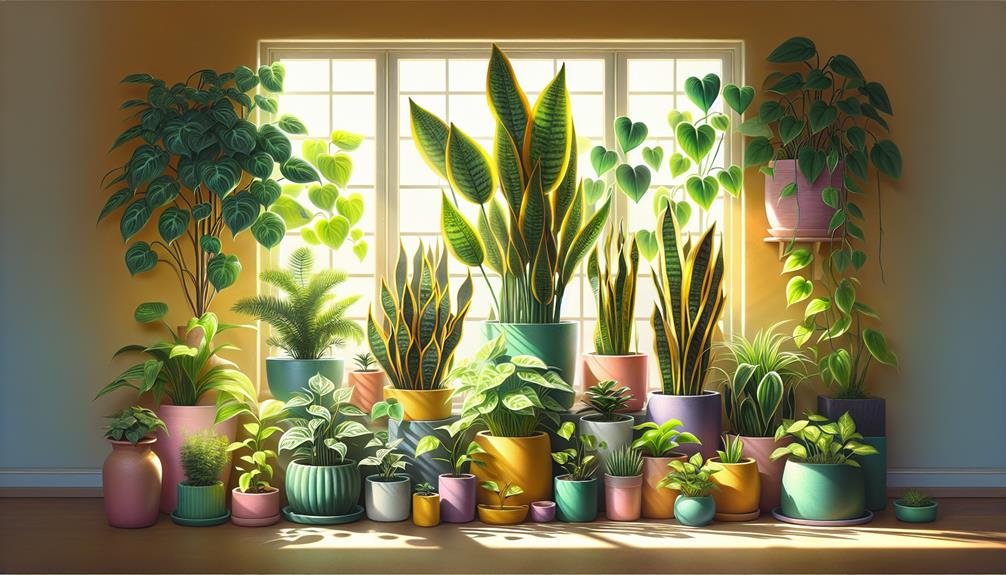
Did you know that indoor plants can improve air quality by removing toxins and releasing oxygen? Imagine bringing a touch of nature into your living space effortlessly.
But where to start? Understanding which houseplants are best suited for beginners is key. By selecting the right plants, you can enjoy the benefits of a greener home without the stress of complex care routines.
Take the first step towards creating a more vibrant and healthier indoor environment by discovering the top recommendations for beginner-friendly houseplants.
Benefits of Having Houseplants
Having houseplants not only adds a touch of nature to your living space but also improves indoor air quality. The presence of plants in your home can boost your mood and reduce stress levels. Studies have shown that being around plants can have a calming effect on your overall well-being. In addition, houseplants help increase humidity levels indoors, which can be beneficial, especially during the dry winter months or in areas with low humidity.
Another benefit of having houseplants is that they can act as natural air purifiers. Plants absorb carbon dioxide and release oxygen through photosynthesis, which can help freshen up the air in your home. Some houseplants are also known to filter out harmful toxins from the air, such as formaldehyde and benzene, creating a cleaner and healthier environment for you to live in.
Top 5 Easy-to-Care-For Plants
To easily enhance your indoor space with greenery, consider starting with these top 5 low-maintenance houseplants.
First on the list is the Snake Plant, known for its ability to thrive in low light and irregular watering.
Next up, we've the Spider Plant, which is excellent for beginners due to its adaptability to various conditions and its air-purifying qualities.
The Pothos plant is another fantastic option, requiring minimal sunlight and water, making it ideal for those with busy schedules.
Peace Lilies are also a popular choice as they can tolerate shade and infrequent watering while adding a touch of elegance to any room.

Lastly, the ZZ Plant is a hardy plant that can survive with minimal care, making it perfect for beginners looking for a resilient houseplant.
With these top 5 easy-to-care-for plants, you can enjoy the benefits of indoor greenery without the stress of high maintenance.
Tips for Successful Plant Care
For successful plant care, ensure you understand the specific watering needs of each houseplant in your care. Overwatering can lead to root rot, while underwatering can cause wilting and stunted growth. Check the soil moisture regularly by inserting your finger about an inch deep into the soil; if it feels dry, it's time to water. Different plants have different requirements, so tailor your watering schedule accordingly.
In addition to watering, proper lighting is crucial for your plants' health. Most houseplants thrive in bright, indirect light, but some may prefer low light conditions. Research the lighting needs of your specific plants and place them in suitable locations within your home.
Regularly inspect your plants for pests like spider mites, mealybugs, or aphids. If you notice any signs of infestation, isolate the affected plant and treat it promptly with insecticidal soap or neem oil.
Lastly, don't forget to repot your plants when they outgrow their containers. Choose a pot that's slightly larger than the current one and refresh the soil to provide your plants with the space and nutrients they need to continue thriving.
Best Locations for Houseplants
Understanding the best locations for your houseplants is key to ensuring their optimal growth and health. When deciding where to place your plants, consider factors such as light exposure, temperature, and humidity levels. Most houseplants thrive in areas with bright, indirect sunlight. Placing them near windows or in rooms with ample natural light can help them photosynthesize effectively. However, be cautious of direct sunlight, as it can scorch leaves. Additionally, make sure to rotate your plants regularly to promote even growth.
Temperature is another crucial factor. Most houseplants prefer temperatures between 60-75°F (15-24°C) during the day and slightly cooler at night. Avoid placing them near drafty windows or vents, as sudden temperature fluctuations can stress the plants.
Lastly, maintaining proper humidity levels is vital. If your home is dry, consider using a humidifier or pebble tray to increase moisture around your plants. By carefully selecting the right locations for your houseplants, you set them up for success and a thriving indoor garden.
Common Mistakes to Avoid
Ensure your houseplants' health and growth by steering clear of these common mistakes. Overwatering is a frequent blunder that can lead to root rot and other issues. Remember, most houseplants prefer slightly moist soil, not soggy conditions. Make sure to check the soil moisture level before watering again. On the flip side, underwatering is equally detrimental. Wilting and yellowing leaves are signs that your plant needs more water. Find a watering schedule that works for each type of plant you own.
Another mistake to avoid is placing your houseplants in areas with extreme temperature fluctuations. Drafty windows and heating vents can stress your plants. Keep them away from cold drafts and sudden temperature changes. Additionally, not providing enough light is a common error. Different plants have varying light requirements, so research each plant's needs to ensure they thrive.
Lastly, neglecting to repot your houseplants when needed can hinder their growth. Check for root-bound plants and repot them into larger containers to promote healthy root development. By steering clear of these common mistakes, you'll set yourself up for success in your houseplant journey.
Frequently Asked Questions
What Are the Benefits of Using Self-Watering Planters for Houseplants?
Using self-watering planters for houseplants has numerous benefits. They help maintain consistent moisture levels, reducing the risk of over or under watering. These planters are convenient, requiring less frequent watering.
They promote healthier root growth by allowing plants to access water as needed. Additionally, self-watering planters can be a great solution for beginners or those with busy schedules, making it easier to care for your plants effectively.
Can Houseplants Help Improve Indoor Air Quality in the Winter?
Houseplants can indeed help improve indoor air quality during the winter. They absorb carbon dioxide and release oxygen through photosynthesis, helping to freshen the air.
Additionally, certain plants can remove toxins such as formaldehyde and benzene from the air, providing cleaner and healthier indoor environments.
How Do I Know When It's Time to Repot My Houseplant?
When it's time to repot your houseplant, look for signs like roots growing out of the drainage holes or becoming root-bound.
Also, if the plant is drying out quickly or not growing as well, it might need a larger pot.
To repot, gently remove the plant, loosen the roots, and place it in a new container with fresh soil.
Water thoroughly and let it settle in its new home.
Are There Any Houseplants That Are Safe for Pets to Be Around?
When looking for pet-friendly houseplants, consider options like spider plants, Boston ferns, or African violets. These plants are safe for your furry friends to be around and can add a touch of greenery to your home.
Just make sure to place them in areas where your pets can't easily reach or snack on them. With a bit of research, you can create a safe and beautiful indoor environment for both your plants and pets.
What Are Some Creative Ways to Display Houseplants in Small Living Spaces?
In small living spaces, get creative with houseplant displays. Utilize wall shelves to showcase your green beauties, or hang plants in macramé hangers to save floor space.
Consider grouping plants together on a stylish plant stand for a cohesive look. Don't forget windowsills as perfect spots for sunlight-loving plants.
Mix and match plant sizes and types to create an eye-catching arrangement that fits your space perfectly.
Conclusion
So there you have it! With the benefits of houseplants in mind, along with the top 5 easy-to-care-for plants, helpful tips for successful plant care, best locations for houseplants, and common mistakes to avoid, you're well on your way to becoming a successful plant parent.
Remember, don't be afraid to get started and enjoy the beauty and benefits that houseplants can bring to your home. Happy planting!