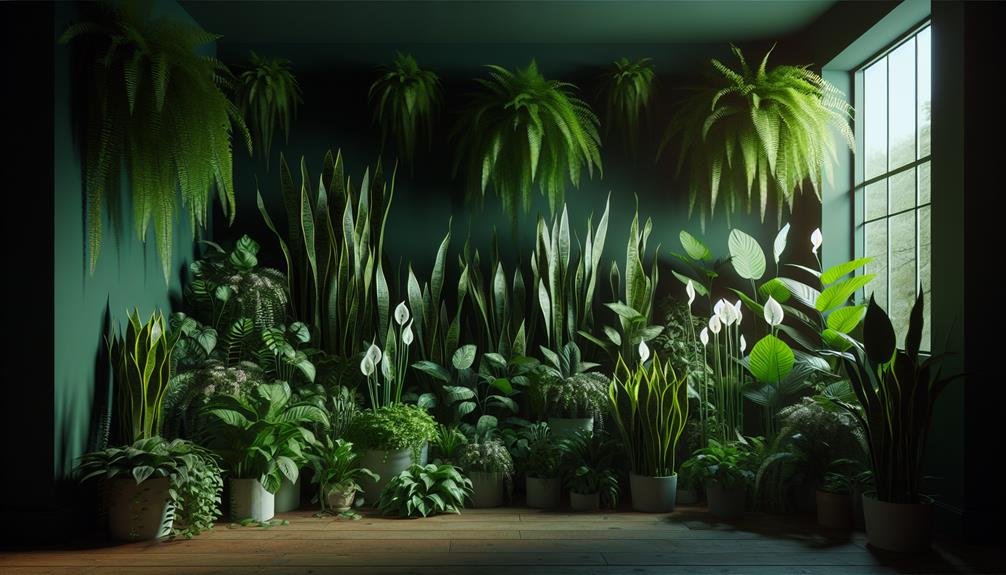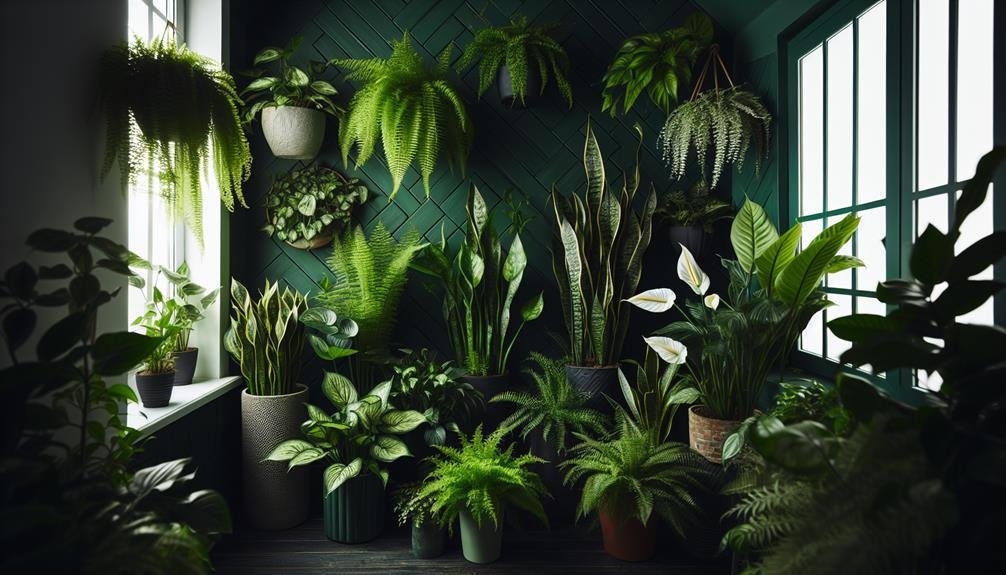
You may have found yourself wondering whether indoor plants are easier to care for than outdoor ones. While the answer may seem straightforward, the nuances of each type's requirements can greatly impact their overall health and vitality.
Understanding these distinctions can make all the difference in how successfully your houseplants thrive. Let's explore the key differences between indoor and outdoor plants, shedding light on essential factors like lighting, temperature, watering, and pest management to help you cultivate a flourishing indoor garden or outdoor oasis.
Key Differences Between Indoor and Outdoor Plants
When choosing between indoor and outdoor plants, consider the key differences in their environmental requirements. Indoor plants thrive in controlled environments with stable temperatures and lighting conditions. They're shielded from harsh weather elements, making them ideal for homes and offices. Outdoor plants, on the other hand, are exposed to natural sunlight, rain, wind, and temperature fluctuations. They require more resilience to adapt to changing outdoor conditions.
Indoor plants typically need more frequent watering due to the lack of natural rainfall. You must monitor their soil moisture levels closely to prevent overwatering or underwatering. Outdoor plants, on the contrary, may rely on rainfall and irrigation systems, needing less hands-on watering.
Another crucial difference is the space availability. Indoor plants are often grown in pots or containers, limiting their root growth. Outdoor plants have the freedom to spread their roots in the ground, allowing for better nutrient absorption and stability.
Consider these factors when deciding between indoor and outdoor plants to ensure the best environment for your green companions.
Lighting Requirements for Indoor and Outdoor Plants
For both indoor and outdoor plants, understanding their specific lighting requirements is essential for their growth and overall health. Indoor plants generally fall into three categories based on their lighting needs: low light, medium light, and bright light. Low-light plants, like snake plants and pothos, thrive in indirect sunlight and can survive in areas with minimal natural light. Medium-light plants, such as philodendrons and peace lilies, prefer bright, indirect light but can also tolerate some shade. On the other hand, plants like succulents and cacti require bright light to thrive indoors.
Outdoor plants, on the other hand, have a wider range of lighting requirements depending on the species. Some plants, like hostas and ferns, prefer shaded areas with limited direct sunlight, while others, such as roses and tomatoes, need full sun exposure for a significant portion of the day. Understanding the specific lighting needs of your plants and providing them with the appropriate amount of light is crucial for their development and long-term health.
Temperature and Humidity Considerations
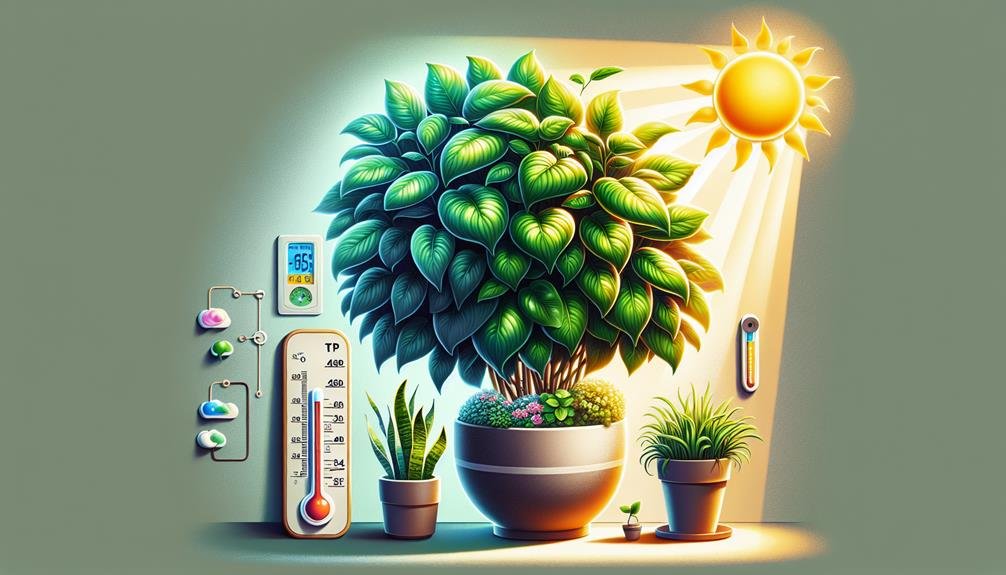
Understanding the lighting requirements of your plants is key; now, let's shift our focus to the impact of temperature and humidity on their well-being. Temperature plays a crucial role in plant health. Indoor plants generally thrive in temperatures between 60-75°F (15-24°C) during the day and slightly cooler at night. Sudden temperature fluctuations should be avoided as they can stress your plants.
Humidity levels are also vital, with most indoor plants preferring moderate to high humidity. You can increase humidity by misting your plants, using a humidifier, or placing a tray of water near them. Outdoor plants, on the other hand, are more resilient to temperature changes; however, extreme heat or cold can still harm them. When it comes to humidity, outdoor plants are generally more adaptable but may suffer during periods of prolonged drought.

Watering and Feeding Guidelines for Both Types
Maintain plant health by adhering to appropriate watering and feeding guidelines for both indoor and outdoor plants. Proper watering is crucial for plant health. Indoor plants often require less water than outdoor plants due to the controlled environment indoors. Check the soil moisture before watering; stick your finger into the soil, and if it feels dry an inch below the surface, it's time to water. Outdoor plants may need more frequent watering, especially during hot weather.
When it comes to feeding, indoor plants benefit from regular fertilization during their active growing season. Use a balanced liquid fertilizer every 2-4 weeks to provide essential nutrients. For outdoor plants, consider organic fertilizers to enrich the soil and promote healthy growth. Follow the instructions on the fertilizer package to avoid overfeeding, which can harm the plants. Remember to adjust watering frequency when fertilizing to prevent nutrient buildup in the soil.
Common Pests and Diseases to Watch Out For
Keep an eye out for common pests and diseases that can threaten the health of your indoor and outdoor plants. Pests like aphids, spider mites, and mealybugs are notorious for infesting indoor plants. These tiny invaders can weaken your plants by feeding on their sap, causing yellowing leaves and stunted growth. To combat them, regularly inspect your plants for any signs of infestation and use natural remedies like neem oil or insecticidal soap to keep them at bay.
In outdoor plants, fungal diseases such as powdery mildew and leaf spot can be a significant threat. Ensure proper air circulation around your plants, avoid overhead watering, and remove any infected leaves to prevent the spread of these diseases. Additionally, watch out for common outdoor pests like snails, slugs, and caterpillars, which can munch on your plants and leave them damaged.
Frequently Asked Questions
Can Indoor Plants Be Placed Outside Temporarily for Better Growth?
Yes, indoor plants can benefit from being placed outside temporarily for better growth. Outdoor exposure can provide increased sunlight and fresh air, promoting healthier plant development.
However, it's essential to acclimate them gradually to prevent shock or damage. Monitor their water and light needs closely during this transition period to ensure the best results.
How Often Should Outdoor Plants Be Brought Indoors for Maintenance?
You should bring outdoor plants indoors for maintenance when the weather gets too extreme for them to thrive outside. Check the temperature and conditions regularly to ensure your plants are happy and healthy.
Remember that different plants have different needs, so it's important to monitor them closely and make adjustments as needed. By being attentive to your outdoor plants' needs, you can help them thrive year-round.
Are There Specific Types of Plants That Can Thrive Well Both Indoors and Outdoors?
Certain plants can thrive both indoors and outdoors, offering flexibility in your gardening options. Look for durable varieties like peace lilies, spider plants, or snake plants that can adapt to different environments.
These plants can handle the transition between indoor and outdoor conditions, allowing you to enjoy their beauty inside your home or in your garden without much fuss. Just ensure they receive adequate light, water, and care in each setting.
What Are the Benefits of Using Artificial Lighting for Indoor Plants?
To maximize indoor plant success, using artificial lighting brings many benefits. It provides consistent light levels regardless of the weather outside. This helps plants thrive even in rooms with limited natural light.
Additionally, artificial lighting allows you to control the duration and intensity of light, catering to each plant's specific needs. Overall, incorporating artificial lighting can significantly boost your indoor plant's growth and health.
How Can I Prevent Cross-Contamination of Pests Between Indoor and Outdoor Plants?
To prevent cross-contamination of pests between your indoor and outdoor plants, isolate new plants for a few weeks. Inspect them regularly for any signs of pests.
Avoid moving infested plants indoors. Keep your gardening tools separate for indoor and outdoor use.
Conclusion
In conclusion, whether you have indoor or outdoor plants, understanding their specific needs is key to maximizing their success. By providing the right lighting, temperature, humidity, watering, and feeding, you can help your plants thrive.
Keep an eye out for common pests and diseases, and address any issues promptly to ensure your plants stay healthy and happy. With proper care and attention, both indoor and outdoor plants can bring beauty and joy to your home or garden.