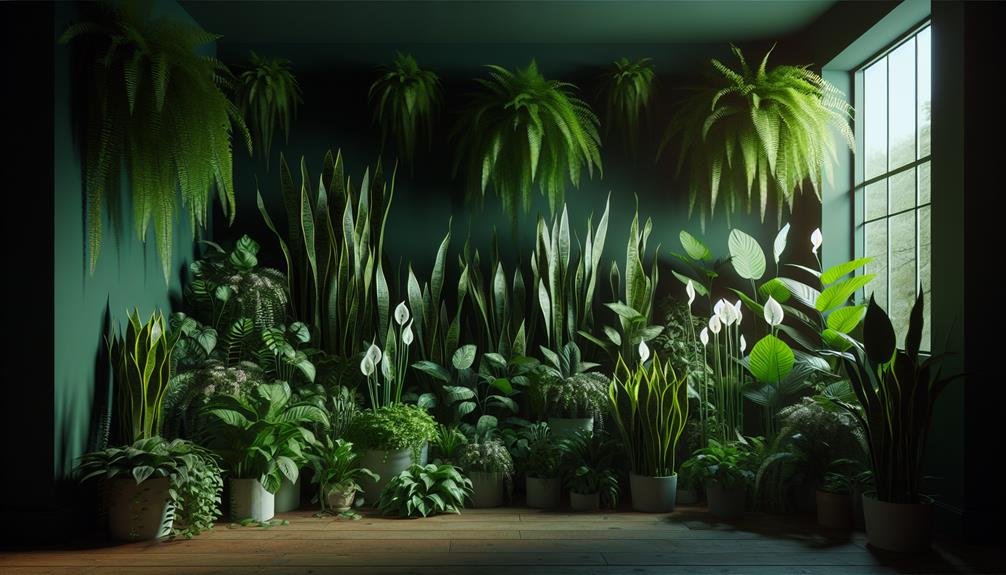
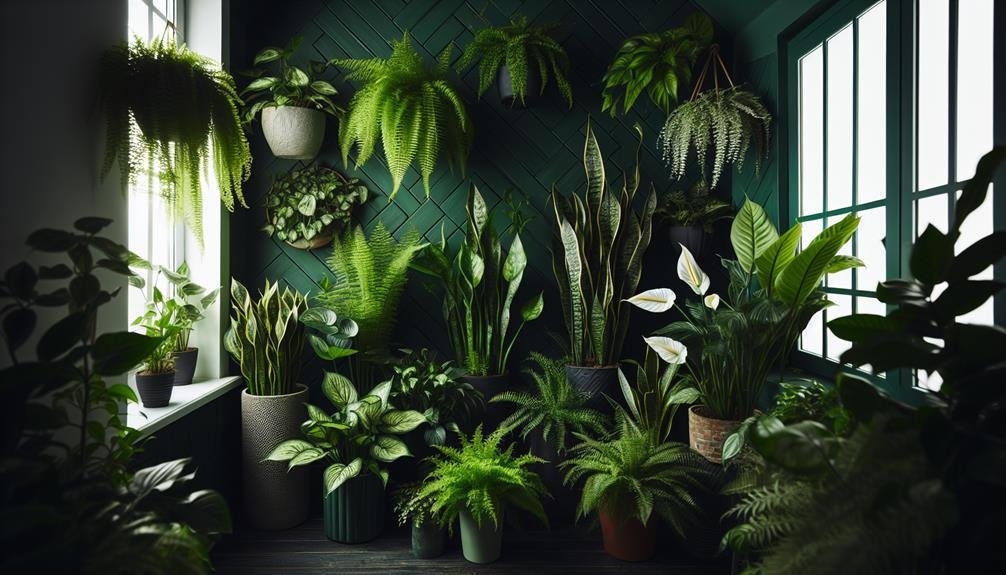
Are you aware of the impact houseplants can have on indoor air quality?
While many people focus on indoor plants, have you considered the potential benefits of utilizing outdoor greenery for air purification indoors?
The choice between indoor and outdoor plants for maximizing air purification is not always straightforward.
As you weigh the pros and cons of each option, various factors come into play that could influence your decision.
Consider the potential of both settings to optimize the air quality in your living space and make an informed choice that suits your needs.
Benefits of Indoor Houseplants
Indoor houseplants not only add beauty to your living space but also actively purify the air you breathe. These green companions play a vital role in enhancing the air quality inside your home by removing harmful toxins and releasing oxygen. Plants like spider plants, peace lilies, and snake plants are known for their air-purifying abilities, making them excellent choices for indoor environments.
Aside from their air-cleansing properties, indoor houseplants can also improve your overall well-being. Studies have shown that being around plants can reduce stress, boost mood, and increase productivity. The presence of greenery indoors can create a calming atmosphere, promoting relaxation and mental clarity.
Furthermore, caring for indoor plants can be a rewarding experience, providing a sense of accomplishment as you watch them grow and thrive under your care. With proper attention and maintenance, these plants can continue to purify the air in your home while adding a touch of nature to your living space.
Challenges of Indoor Air Purification
If you're looking to optimize your indoor air quality through houseplants, you may encounter some challenges in effectively purifying the air within your living space. One common challenge is inadequate light levels. Different houseplants require varying degrees of sunlight to thrive and effectively purify the air. If your living space lacks natural light or if you place your plants in areas with insufficient light exposure, they may struggle to perform their air-purifying functions efficiently.
Another challenge is overwatering or underwatering your plants. Finding the right balance can be tricky, as both scenarios can negatively impact the health of your houseplants and their ability to purify the air. Additionally, dust accumulation on plant leaves can impede their air-purifying capabilities. Regularly wiping down the leaves of your plants can help mitigate this issue.

Lastly, choosing the right plants for air purification can be challenging. Not all houseplants are equally effective at removing toxins from the air, so selecting the most suitable ones for your living space is crucial for optimal indoor air quality.
Advantages of Outdoor Plant Placement
Placing your houseplants outdoors can offer significant benefits for air purification and overall plant health. Outdoor plant placement allows your plants to receive ample sunlight, which is essential for their growth and photosynthesis process. The natural sunlight helps plants produce oxygen and absorb carbon dioxide more efficiently, enhancing their air purifying capabilities.
Additionally, outdoor plants have more access to fresh air, which can help prevent the buildup of harmful toxins inside the plant's leaves and soil.
Outdoor placement also exposes plants to natural elements like rain, which can help wash away dust and pollutants that may accumulate on the plant's leaves. Rainwater is free of the salts, minerals, and chemicals found in tap water, making it a refreshing and beneficial resource for outdoor plants.
Furthermore, outdoor placement can encourage beneficial insects like bees and butterflies to visit your plants, promoting pollination and overall plant health. Overall, placing your houseplants outdoors can boost their air purification abilities and contribute to a healthier living environment.
Limitations of Outdoor Air Purification
To fully understand the effectiveness of outdoor air purification, it's important to consider the potential limitations that may impact your houseplants' ability to purify the air.
Outdoor air purification through plants can be influenced by factors such as air pollution levels, weather conditions, and seasonal variations. High levels of pollution in urban areas can hinder the ability of plants to effectively cleanse the air due to the presence of harmful substances like heavy metals and toxins.
Additionally, extreme weather conditions such as strong winds or heavy rainfall may damage the leaves and affect the overall health of the plants, thereby reducing their air-purifying capabilities.
Seasonal changes can also impact outdoor plants, as some species may not thrive as well during certain times of the year, leading to decreased air purification efficiency. Understanding these limitations can help you make informed decisions when utilizing outdoor plants for air purification purposes.
Strategies for Optimal Air Quality
For achieving optimal air quality indoors, implementing proper ventilation systems is crucial. Adequate ventilation helps to circulate fresh air and expel indoor air pollutants effectively. Ensure that your home's ventilation system is well-maintained and functioning efficiently to support clean air quality. Additionally, consider using air purifiers with HEPA filters to trap airborne particles and improve overall air quality. These devices can be especially beneficial for individuals with respiratory issues or allergies.
Another strategy for enhancing indoor air quality is to reduce the use of chemical cleaning products and synthetic fragrances. Opt for natural cleaning alternatives like vinegar, baking soda, or essential oils to minimize indoor air pollution. Be mindful of the products you bring into your home, as many conventional household items contain harmful chemicals that can negatively impact air quality.
Regularly cleaning and dusting your home can also contribute to better air quality by reducing the presence of dust and allergens. Vacuum carpets, rugs, and upholstery frequently to prevent the buildup of particles that can be released into the air. By implementing these strategies, you can create a healthier indoor environment with optimal air quality.
Frequently Asked Questions
Can Certain Houseplants Effectively Remove Specific Indoor Air Pollutants, Such as Cigarette Smoke or Pet Dander?
Certain houseplants can effectively remove specific indoor air pollutants, such as cigarette smoke or pet dander. Plants like spider plants, peace lilies, and aloe vera are known for their air-purifying abilities.
These plants can help improve indoor air quality by absorbing harmful chemicals and releasing oxygen. So, if you want to freshen up your indoor air and reduce pollutants like cigarette smoke or pet dander, consider adding these plants to your space.
How Do Different Types of Soil Affect a Houseplant's Ability to Purify Air?
When it comes to how different types of soil affect a houseplant's ability to purify air, it's essential to consider the soil's quality and composition.
The right soil provides proper nutrients for the plant, promoting healthy growth and efficient air purification.
Adequate drainage and aeration in the soil are crucial for the plant's root health and overall performance in filtering indoor air pollutants effectively.
Choose soil that supports your houseplant's well-being and air-purifying capabilities.
Are There Any Houseplants That Are More Effective at Improving Air Quality at Night?
When choosing houseplants for better air quality at night, look for ones like aloe vera, spider plants, or lavender. These plants release oxygen during the night, making them great choices for bedrooms or other sleeping areas.
Having these plants can help improve air quality while you sleep, promoting a healthier indoor environment. Consider adding them to your home for a breath of fresh air at night.
Do Outdoor Plants Have Any Impact on Indoor Air Quality When Placed Near Windows or Doors?
Placing outdoor plants near windows or doors can help improve indoor air quality. The plants can act as a natural filter, bringing fresh air inside.
Their presence can also enhance ventilation, allowing for better circulation. Remember to choose plants that thrive indoors and can withstand fluctuations in temperature and light.
Regularly watering and caring for these plants will ensure they continue to benefit your indoor air quality.
What Is the Recommended Frequency for Rotating Houseplants to Maximize Air Purification Benefits?
To maximize air purification benefits, rotate your houseplants every 2-3 weeks. This helps ensure all sides of the plant receive adequate sunlight and airflow, promoting optimal growth and air cleaning capabilities.
Conclusion
In conclusion, maximizing air purification with houseplants is achievable both indoors and outdoors.
Indoor houseplants offer numerous benefits, but face challenges in effectively purifying air.
On the other hand, outdoor plant placement provides advantages such as increased air circulation, but also comes with limitations.
By strategically placing plants both inside and outside your home, you can create an optimal environment for clean and fresh air.
So, go ahead and bring nature inside to enjoy the benefits of cleaner air!