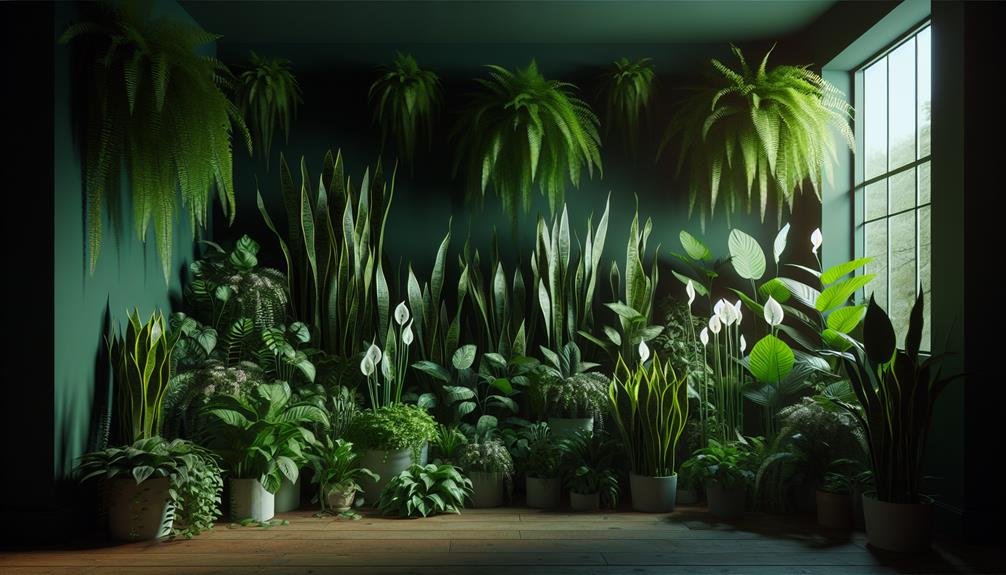
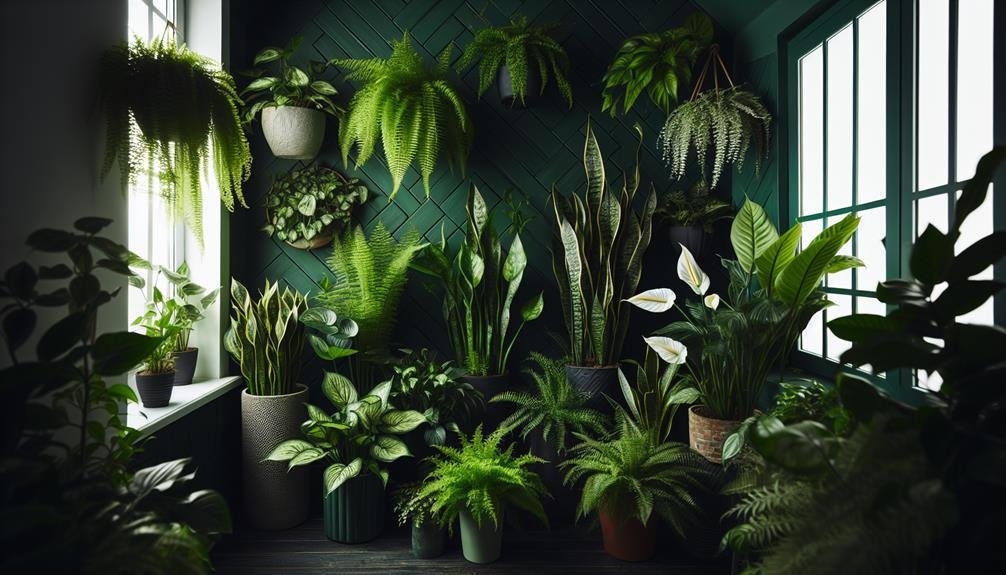
During winter, caring for your indoor and outdoor houseplants is like tending to two different gardens in the same season. As temperatures drop, the needs of your leafy companions shift, requiring your attention and care. Understanding the nuances of winter care for both indoor and outdoor plants can be the key to ensuring their health and survival.
Light, temperature, water, pests, and soil all play crucial roles in keeping your plants thriving during the colder months. Let's explore how you can best support your green friends through the winter chill.
Light Requirements
To ensure your houseplants thrive during the winter months, it's essential to understand their specific light requirements. Different houseplants have varying needs when it comes to light exposure. Some plants, like succulents and cacti, thrive in bright, direct sunlight. Placing these plants near a south-facing window can provide them with the intense light they require.
On the other hand, tropical plants such as ferns and orchids prefer indirect light to prevent their delicate leaves from burning. These plants do well in areas with filtered sunlight or a few feet away from a window.
During winter, the sun's angle changes, affecting the intensity and duration of light exposure indoors. Rotate your plants regularly to ensure all sides receive adequate light. If natural light is limited in your home, supplement it with artificial grow lights designed for indoor plants.
Keep an eye on your plants for any signs of light deficiency, such as leggy growth or loss of vibrancy in leaves, and adjust their placement accordingly. By meeting your houseplants' specific light requirements, you can help them stay healthy and vibrant throughout the winter season.
Temperature Considerations
Understanding the light requirements of your houseplants is important; now, let's shift our focus to temperature considerations for maintaining their health during the winter months. Temperature plays a crucial role in the well-being of your indoor and outdoor plants as the colder months set in. For indoor plants, ensure they aren't placed near drafty windows or doors that could expose them to chilly air. Keep them away from heat sources like radiators as well, as these can cause fluctuations in temperature that are harmful to the plants.
Outdoor plants, on the other hand, may need extra protection from frost. Consider covering them with a breathable fabric or bringing them indoors during particularly cold nights. Monitor the temperature closely and be prepared to take action if a sudden drop is expected. Remember, different plants have different temperature preferences, so it's essential to research the specific needs of each type you own. By being mindful of temperature changes and making adjustments accordingly, you can help your plants thrive throughout the winter season.
Watering Needs
Maintaining proper watering schedules is essential for the health of your houseplants during the winter months. While it may be tempting to water less frequently due to lower temperatures, it's crucial to remember that indoor heating can dry out the air, affecting your plants' moisture levels. Check your plants regularly by feeling the soil; if it feels dry to the touch, it's time to water. However, be cautious not to overwater, as this can lead to root rot, especially when plants aren't actively growing.
Indoor plants generally require less water in the winter because they experience slower growth rates. Reduce the frequency of watering, allowing the soil to partially dry out between waterings. On the other hand, outdoor plants may still require watering, especially if they're exposed to direct sunlight or windy conditions. Be mindful of the specific needs of each plant species and adjust your watering schedule accordingly to ensure their well-being throughout the winter season.

Pest Control
Check for signs of pests on your houseplants as winter approaches to prevent infestations from harming your plants. Pests such as spider mites, aphids, mealybugs, and scale insects can thrive in indoor conditions during the winter months. Keep an eye out for yellowing or stippled leaves, sticky residue on leaves, webbing, or visible insects on your plants. If you notice any of these signs, act promptly to prevent the pests from spreading.
To control pests on your houseplants, start by isolating any infested plants to prevent the pests from spreading to other plants. Next, gently wash the leaves with a mixture of mild soap and water to remove the pests. For more stubborn infestations, consider using insecticidal soap or neem oil, which are effective against a variety of common houseplant pests. Regularly inspect your plants throughout the winter months to catch any pest problems early and keep your houseplants healthy and pest-free.
Soil Maintenance
To ensure the health of your houseplants during the winter months, paying attention to the quality of the soil is essential. Proper soil maintenance can make a significant difference in how well your plants fare during the colder months. Start by checking the soil moisture regularly. Overwatering can lead to root rot, especially in winter when plants require less water. Conversely, underwatering can cause stress to your plants, so finding the right balance is crucial.
Consider repotting your houseplants if the soil has become compacted or if the plant has outgrown its current container. Fresh soil provides essential nutrients and promotes healthy root growth. Additionally, incorporating organic matter into the soil can help improve its structure and drainage, ensuring better aeration for the roots.
During winter, it's advisable to avoid using cold water when watering your plants, as it can shock the roots. Opt for room temperature water instead. Lastly, be mindful of any signs of mold or mildew in the soil, as these can harm your plants. Regularly inspecting the soil and taking necessary actions will help keep your houseplants thriving throughout the winter.
Frequently Asked Questions
How Can I Protect My Outdoor Plants From Frost During Winter?
To protect your outdoor plants from frost during winter, cover them with frost cloths or blankets overnight. Avoid using plastic as it can damage the plants.
Water the plants thoroughly before the frost sets in to help insulate them. Consider moving potted plants indoors or to a sheltered area.
Remember to remove the covers during the day to allow sunlight and air circulation. Stay vigilant to keep your plants safe during the cold months.
Should I Still Fertilize My Indoor Plants During the Winter Months?
Yes, you should continue to fertilize your indoor plants during the winter months but at a reduced frequency. Indoor plants have slower growth during this time, so they require less fertilizer. Use a diluted fertilizer every 4-6 weeks instead of the regular schedule.
This will provide them with the nutrients they need without overwhelming them. Remember to always follow the instructions on the fertilizer packaging for the best results.
Are There Any Special Considerations for Air Circulation for Indoor Plants During the Winter?
During winter, ensuring good air circulation for your indoor plants is crucial. Stagnant air can lead to issues like mold and mildew. To help, place plants near a gentle fan or crack open a window periodically for ventilation.
This will also prevent excess moisture buildup and promote healthier growth. Remember, a little airflow can make a big difference in keeping your indoor plants happy and thriving during the colder months.
Can I Bring My Outdoor Plants Inside During the Winter if They Are Struggling?
If your outdoor plants are struggling during winter, bringing them inside can help. Make sure to gradually acclimate them to the indoor environment to prevent shock.
Place them in a sunny spot and monitor their water and light needs closely. Keep an eye out for pests as well.
With proper care, your outdoor plants should thrive indoors and bounce back in no time.
How Can I Prevent Root Rot in My Indoor Plants During the Winter?
To prevent root rot in your indoor plants during winter, ensure they have good drainage by using pots with holes at the bottom.
Use well-draining soil and water only when the top inch feels dry.
Avoid leaving your plants in standing water and remove any excess water from saucers.
Monitor for signs of overwatering, like yellowing leaves, and adjust your watering schedule accordingly.
Proper care will help keep your indoor plants healthy during the winter months.
Conclusion
Overall, taking care of both indoor and outdoor houseplants during the winter months requires attention to their specific needs.
By adjusting their light exposure, keeping them at the right temperature, watering them appropriately, controlling pests, and maintaining their soil, you can help your plants thrive during the colder months.
Remember to always monitor their condition and make adjustments as needed to ensure they stay healthy and vibrant throughout the winter season.