
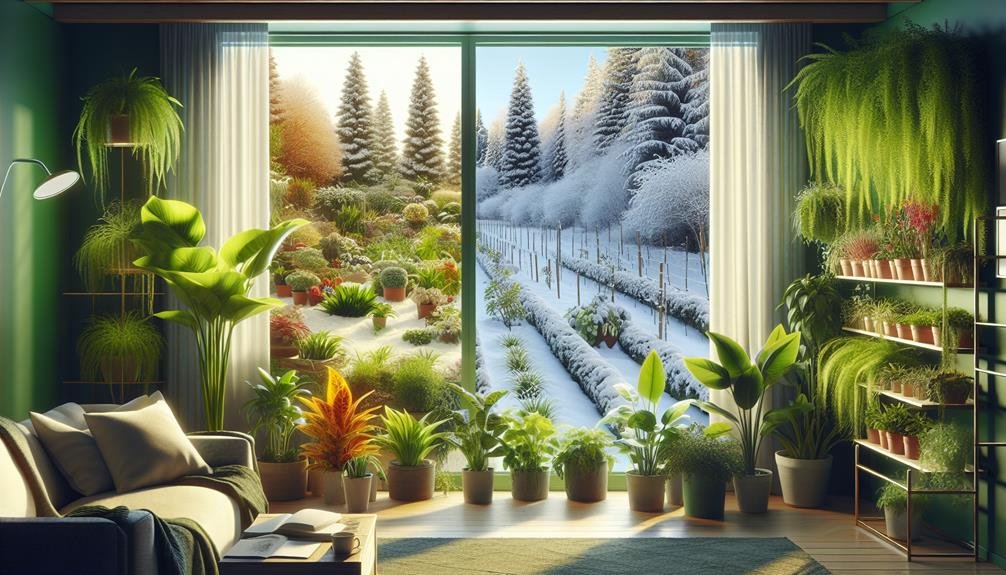
When it comes to winter care for your houseplants, the choice between indoor and outdoor varieties can significantly impact their well-being. Indoor plants offer benefits such as protection from harsh weather conditions and easier monitoring of their environment.
On the other hand, outdoor plants face challenges like frost damage and limited sunlight during the colder months. Considering these factors, understanding the specific care tips for each type of plant can make a crucial difference in ensuring their survival through winter.
But how do you navigate these differences effectively to help your plants thrive?
Benefits of Indoor Houseplants
Why are indoor houseplants beneficial for your living space?
Indoor houseplants offer a myriad of advantages that can enhance your home environment.
Firstly, they act as natural air purifiers by absorbing toxins and releasing oxygen, thus improving the air quality in your living space.
Not only do they add a touch of greenery and aesthetic appeal to your home, but they also have been proven to reduce stress levels and boost overall well-being.
Houseplants can also help regulate humidity levels, making your indoor environment more comfortable, especially during the dry winter months.
Additionally, caring for indoor plants can provide a sense of accomplishment and purpose, promoting mindfulness and relaxation.
The presence of houseplants has even been linked to increased productivity and concentration.

With their ability to uplift your mood and create a peaceful atmosphere, indoor houseplants are a simple yet effective way to transform your living space into a healthy and harmonious sanctuary.
Challenges of Outdoor Houseplants
Switching from indoor to outdoor houseplants brings its own set of challenges that you must navigate to ensure your plants thrive in an external environment. One major challenge is adjusting to the varying weather conditions. Outdoor plants are exposed to direct sunlight, wind, rain, and temperature fluctuations, which can be quite different from the controlled environment indoors. This means you need to carefully monitor your plants and provide adequate protection during extreme weather events to prevent damage.
Another challenge is pest control. Outdoor plants are more susceptible to pests and insects compared to indoor plants. You may need to regularly inspect your outdoor plants for any signs of infestation and take appropriate measures to keep pests at bay. Additionally, outdoor plants may face competition from neighboring plants for nutrients and space, requiring you to be vigilant about pruning and fertilizing to ensure your plants have what they need to thrive.
Winter Care Tips for Indoor Plants
During the winter months, it's crucial to provide your indoor plants with proper care to ensure they thrive despite the seasonal challenges. Start by adjusting your watering routine. With lower light levels and cooler temperatures, plants tend to dry out more slowly, so be mindful not to overwater. Check the moisture levels in the soil before watering and consider using a humidifier to maintain adequate moisture in the air.
Light is also essential during winter. Place your plants in areas where they can receive as much natural light as possible, such as near south or west-facing windows. If natural light is limited, supplement with grow lights to help your plants stay healthy.
Keep an eye out for pests that may thrive in the cozy indoor conditions of winter. Regularly inspect your plants for signs of infestation, like webbing or sticky residue on leaves, and treat them promptly.
Winter Care Tips for Outdoor Plants
To ensure the health of your outdoor plants during winter, implement these essential care tips. First, consider providing adequate insulation for your plants. Mulching around the base of your plants can help regulate soil temperature and protect roots from freezing. Additionally, consider wrapping delicate plants with burlap or frost cloth for added protection against harsh winter conditions.
Secondly, remember to water your outdoor plants appropriately. While plants may not require as much water during the winter months due to dormancy, it's crucial to ensure they don't dry out completely. Watering deeply and less frequently can help prevent root rot and dehydration.
Furthermore, pruning your outdoor plants before winter sets in is essential. Remove any dead or diseased branches to promote healthy growth once spring arrives. Pruning also helps improve air circulation, reducing the risk of fungal diseases.
Lastly, monitor your plants regularly for signs of stress or damage. Be prepared to take immediate action if needed to ensure your outdoor plants survive the winter and thrive come spring.
Choosing the Right Plants
Consider your indoor and outdoor environments when selecting the right plants for your space. Indoor plants like peace lilies, spider plants, or pothos are great choices for low-light conditions. If your indoor space receives ample sunlight, consider succulents, cacti, or herbs like basil and rosemary. Outdoor plants such as winter-blooming pansies, colorful kale, or evergreen shrubs can add vibrancy to your garden during the colder months. When choosing outdoor plants, ensure they're cold-hardy and can withstand winter temperatures in your region.
Think about the size of your space and the growth potential of the plants you select. For indoor settings, opt for compact plants that won't outgrow their pots quickly. Outdoor gardens can accommodate larger plants, trees, or bushes that have room to spread out. Consider the maintenance requirements of each plant to ensure you can provide adequate care throughout the winter months. By selecting plants that suit your indoor or outdoor environment and considering their growth needs, you can create a thriving green oasis in any season.
Frequently Asked Questions
Can Outdoor Houseplants Be Brought Indoors During the Winter Months?
Yes, you can bring outdoor houseplants indoors during the winter months. It's essential to gradually acclimate them to the new environment to prevent shock.
Make sure to provide adequate light, water, and humidity levels as they adjust. Keep an eye out for pests that may hitch a ride indoors.
With proper care and attention, your outdoor plants can thrive inside during the colder months.
How Can I Prevent Pests From Infesting My Indoor Houseplants During the Winter?
To prevent pests from infesting your indoor houseplants during the winter, inspect them regularly for any signs of bugs or eggs.
Wipe down leaves with a damp cloth to remove dust and potential pests. Avoid overwatering, as this can attract certain bugs.
Consider using natural remedies like neem oil or insecticidal soap to control any infestations. Remember, early detection and prevention are key to keeping your plants healthy and pest-free.
Are There Any Specific Lighting Requirements for Indoor Houseplants During the Winter?
During winter, indoor houseplants may need extra light due to shorter days. Ensure they get enough sunlight by placing them near a bright window.
If natural light is limited, consider using grow lights to supplement. Remember to adjust the duration and intensity of light based on the specific requirements of your plants.
Proper lighting will help your indoor plants thrive during the winter months and prevent issues related to insufficient light exposure.
Do Outdoor Houseplants Need to Be Watered Differently in the Winter Compared to Other Seasons?
During winter, outdoor houseplants need less water compared to other seasons. The cold temperatures slow down their growth and reduce their water intake. Be mindful not to overwater them, as the soil will take longer to dry out.
It's crucial to check the soil moisture level before watering to prevent root rot. Adjust your watering schedule accordingly to meet the specific needs of your outdoor plants during the winter months.
What Are Some Common Mistakes to Avoid When Caring for Houseplants in the Winter?
When caring for houseplants in the winter, you must avoid common mistakes to keep them healthy.
Ensure not to overwater as plants need less water during this season.
Also, watch out for placing them near drafty windows or heating vents, as this can stress your plants.
Remember to provide adequate light and maintain proper humidity levels to help your houseplants thrive during the winter months.
Conclusion
Overall, whether you choose indoor or outdoor houseplants, it's important to provide them with the proper care during the winter months. Indoor plants offer benefits such as improved air quality and reduced stress, while outdoor plants may face challenges such as frost and cold temperatures.
By following the winter care tips provided, you can help your plants thrive and continue to bring beauty and joy to your home throughout the season.



