When it comes to selecting plants that can weather dry spells with grace, it's like choosing between a sturdy oak and a resilient cactus.
Outdoor versus indoor plants, each with their unique set of advantages and considerations.
Discover the secrets to nurturing these green survivors, and unlock the potential for a lush, thriving garden oasis that requires less water but doesn't skimp on beauty.
Benefits of Drought-Tolerant Plants
When choosing plants for your garden, opting for drought-tolerant varieties can significantly reduce water consumption and maintenance needs. These plants have adapted to thrive in arid conditions, making them perfect choices for areas prone to drought or for those looking to conserve water. By selecting drought-tolerant options, you not only save time and effort on watering but also contribute to water conservation efforts.
Drought-tolerant plants come in a variety of shapes, sizes, and colors, offering a wide range of options to suit your garden preferences. From vibrant succulents like aloe vera and agave to ornamental grasses such as feather reed grass and blue oat grass, there's a drought-tolerant plant for every aesthetic.
In addition to their water-saving benefits, drought-tolerant plants are generally low maintenance, requiring less attention compared to other plant varieties. This means less time spent pruning, fertilizing, and overall caring for your garden, allowing you to enjoy your outdoor space with minimal effort.
Best Outdoor Drought-Tolerant Varieties
For optimal outdoor landscaping with minimal water requirements, consider incorporating these top drought-tolerant plant varieties. Succulents like agave and aloe vera are excellent choices for outdoor spaces. These plants store water in their leaves, making them resilient during dry periods.
Lavender, with its fragrant blooms and ability to thrive in arid conditions, adds both beauty and functionality to your garden. Russian sage is another drought-tolerant option that offers delicate purple flowers and silver foliage for a stunning visual impact.
When planning your outdoor space, think about incorporating yucca plants. These striking plants require little water and bring a dramatic flair to any landscape. For ground cover, consider using ice plant or creeping thyme, both of which are hardy and low-maintenance choices that can withstand periods of drought.
Lastly, ornamental grasses like fountain grass or blue fescue provide texture and interest while being able to tolerate dry conditions. By selecting these top drought-tolerant varieties, you can create a beautiful outdoor oasis that conserves water and requires minimal upkeep.

Top Indoor Drought-Tolerant Plants
Consider bringing the beauty and benefits of drought-tolerant plants indoors with these top choices for indoor spaces.
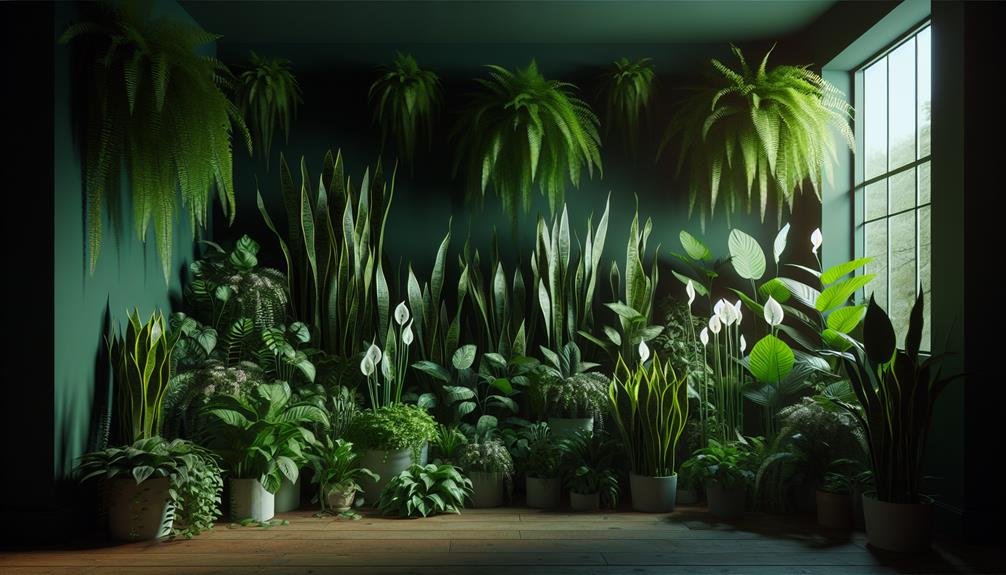
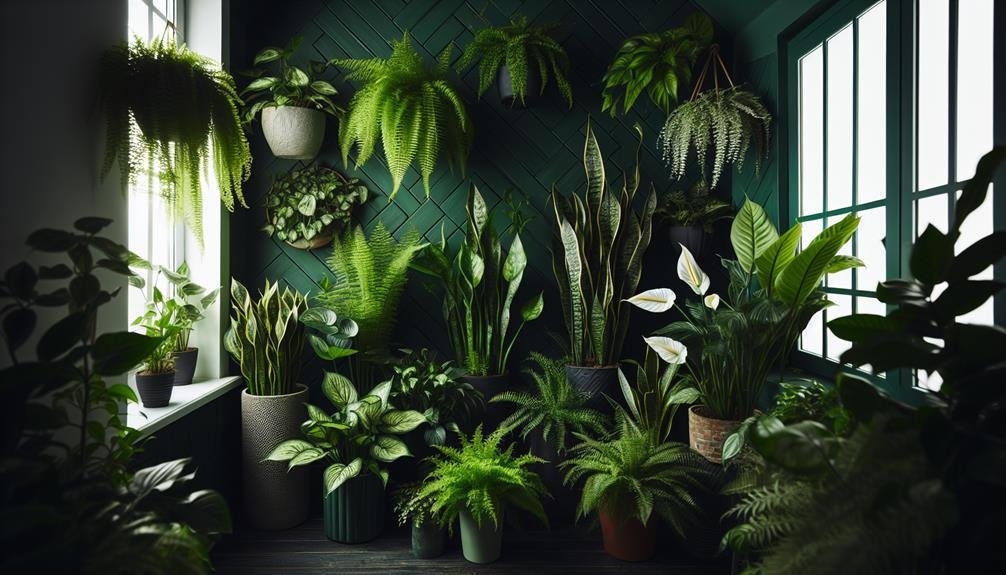
Succulents are excellent options for indoor settings due to their water-storing abilities. Varieties like Aloe Vera, Snake Plant, and Echeveria aren't only visually appealing but also require minimal watering.
Another great indoor drought-tolerant plant is the ZZ plant, known for its low maintenance and ability to thrive in low-light conditions.
Ponytail Palm is a unique plant that stores water in its swollen base, making it a perfect choice for forgetful waterers.
Spider plants are resilient and can adapt to various conditions, making them ideal for indoor environments.
Lastly, the Peace Lily is a beautiful flowering plant that can withstand periods of drought.
These indoor drought-tolerant plants not only add greenery to your space but also require less water, making them a perfect choice for busy plant lovers.
Care Tips for Drought-Resilient Plants
Proper care is essential for maintaining the health and resilience of drought-tolerant plants in your indoor or outdoor spaces. When caring for these plants, remember to water them sparingly but deeply. Instead of frequent shallow watering, give them a good soak occasionally to encourage deep root growth, making them more drought-resistant. Ensure that the soil has good drainage to prevent waterlogging, which can lead to root rot.
Regularly check the moisture levels in the soil to avoid overwatering. Stick your finger into the soil up to the first knuckle; if it feels dry, it's time to water. Prune your drought-tolerant plants as needed to remove dead or diseased branches and encourage new growth. Consider using mulch around the base of your plants to help retain soil moisture and suppress weed growth.
Lastly, position your plants in areas where they receive adequate sunlight according to their specific needs. Following these care tips will help your drought-resilient plants thrive both indoors and outdoors.
Design Ideas for a Drought-Friendly Garden
Looking to create a garden that thrives with minimal water? Designing a drought-friendly garden can be both beautiful and sustainable. Start by selecting plants that are well-suited to dry conditions. Choose native species or drought-tolerant varieties like lavender, succulents, and ornamental grasses. Grouping plants with similar water needs together can help you efficiently water them without overdoing it.
Consider incorporating mulch into your garden design. Mulch helps retain soil moisture, reduces evaporation, and suppresses weeds, all of which contribute to water conservation. Additionally, using permeable materials for pathways and patios allows rainwater to penetrate the soil instead of running off, benefiting your plants.
To add visual interest, play with different textures, colors, and heights in your garden layout. Mixing plants with varying foliage types and bloom times can create a dynamic and vibrant landscape. Lastly, consider adding a water-efficient drip irrigation system to deliver water directly to the roots of your plants, minimizing water waste. With thoughtful planning and design, you can enjoy a stunning garden that conserves water.
Frequently Asked Questions
Can Drought-Tolerant Plants Survive in Extreme Weather Conditions Such as Heatwaves or Prolonged Periods of Drought?
Yes, drought-tolerant plants have evolved to withstand harsh conditions like heatwaves and prolonged droughts. Their ability to store water and adapt to extreme weather makes them resilient.
With proper care, these plants can thrive even in challenging environments. By selecting the right species and providing suitable conditions, you can enjoy a beautiful garden that endures through tough times.
Are There Any Specific Soil Requirements for Growing Drought-Tolerant Plants Indoors?
When growing drought-tolerant plants indoors, you should consider their soil requirements. Opt for well-draining soil to prevent waterlogging, which can harm the roots. A mix of potting soil and perlite or sand can help improve drainage.
Additionally, adding some organic matter like compost can enhance soil quality and provide essential nutrients for your plants. Remember, the right soil conditions are crucial for the health and growth of your indoor drought-tolerant plants.
How Often Should Indoor Drought-Tolerant Plants Be Watered to Ensure Their Health and Longevity?
To keep indoor drought-tolerant plants healthy and thriving, water them only when the top layer of soil feels dry to the touch. Generally, watering every 1-2 weeks should be sufficient, but always check the specific plant's care requirements for best results.
Overwatering can be harmful, so err on the side of caution. Remember, less is often more when it comes to watering your indoor plants.
Are There Any Pests or Diseases That Commonly Affect Drought-Tolerant Plants, and How Can They Be Prevented or Treated?
To keep your drought-tolerant plants healthy, watch out for common pests like aphids and spider mites that can harm them. Regularly inspect your plants for any signs of infestation, such as yellowing leaves or sticky residue.
To prevent these pests, ensure good air circulation around your plants and avoid overwatering. If you do notice an infestation, treat it promptly with insecticidal soap or neem oil to keep your plants thriving.
Can Drought-Tolerant Plants Be Successfully Incorporated Into Vertical Gardens or Living Walls for a Unique Design Element?
Absolutely! Drought-tolerant plants can definitely be integrated into vertical gardens or living walls for a distinctive and eco-friendly design touch. Their resilience to water scarcity makes them ideal candidates for such setups. Ensure proper irrigation and sunlight exposure for optimal growth.
Mix different species to create a visually appealing and low-maintenance green wall that will thrive both indoors and outdoors, adding a touch of nature to your living space.
Conclusion
In conclusion, choosing drought-tolerant plants for your outdoor and indoor spaces can save water, time, and effort in the long run.
With a variety of resilient options available, you can enjoy a beautiful and sustainable garden with minimal maintenance.
Whether you opt for succulents, cacti, or other low-water plants, incorporating drought-tolerant varieties into your landscape design can help you create a thriving and eco-friendly environment.
So go ahead, plant smart and enjoy a greener future!