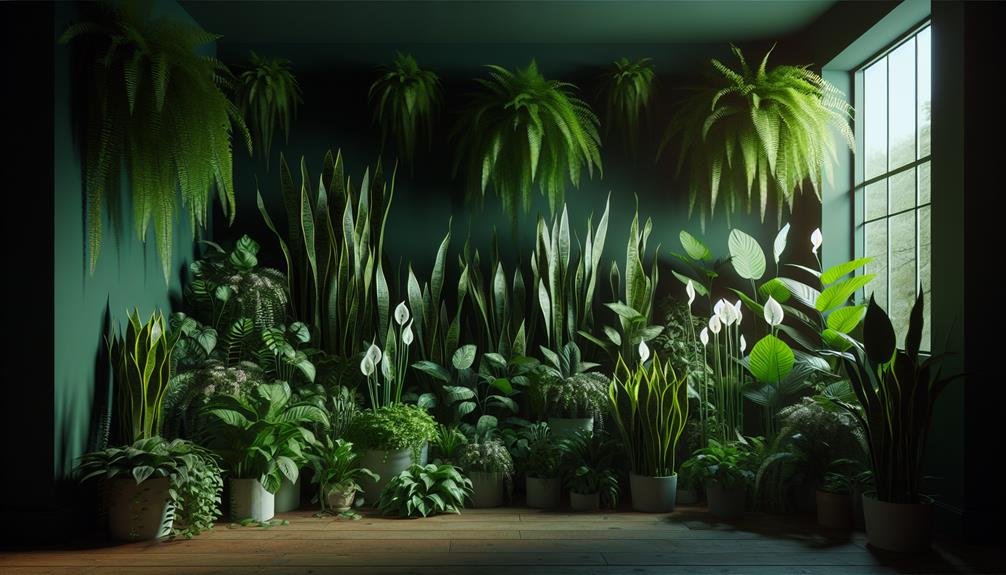
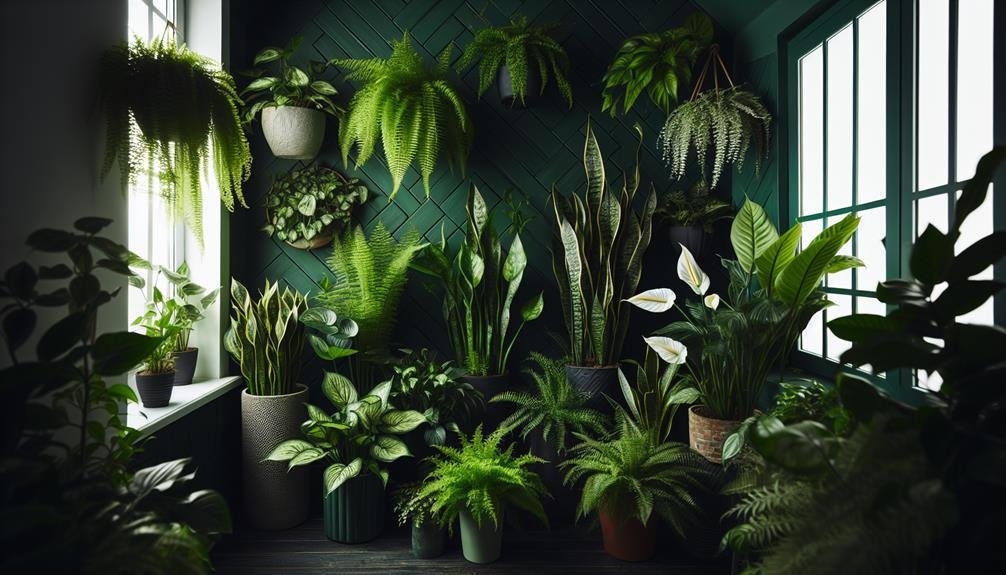
Imagine your home as a lush garden, a safe haven for both your pets and plants. Just as you carefully select toys for your furry companions, choosing the right greenery can make all the difference.
Some houseplants can be toxic to pets, causing harm if ingested. But fear not, for there are plenty of pet-friendly options that can coexist harmoniously with your animal friends.
From vibrant blooms to leafy greens, the world of pet-safe houseplants is vast and varied, offering both beauty and peace of mind.
Indoor Pet-Friendly Houseplants
When choosing indoor pet-friendly houseplants, consider plants that are safe for your furry friends to be around. Some great options include the spider plant, which is safe for both cats and dogs. This plant is easy to care for and can thrive in various lighting conditions.
Another excellent choice is the Boston fern, which is non-toxic and adds a lush, green look to your home. For a touch of color, consider the African violet, a vibrant flowering plant that's safe for pets.
If you're looking for a hanging plant, try the lipstick plant, which is non-toxic and adds a unique flair to your space. The money tree is another pet-friendly option known for bringing good luck and positive energy into your home.
Remember to always research any new plant before bringing it home to ensure it's safe for your pets to be around.
Outdoor Pet-Friendly Plants
Explore a variety of outdoor pet-friendly plants that will thrive in your garden space while keeping your furry companions safe. When choosing plants for your outdoor area, it's essential to consider your pets' well-being. Opt for plants such as marigolds, which not only add a pop of color to your garden but are also safe for dogs and cats. Another great option is the African violet, a beautiful flowering plant that's non-toxic to pets and perfect for outdoor containers or hanging baskets.
If you're looking to add some greenery to your outdoor space, consider planting some pet-safe herbs like mint, basil, or parsley. These herbs aren't only safe for your pets but also provide a fresh and aromatic addition to your garden. Additionally, ferns such as the Boston fern or maidenhair fern are safe choices that thrive in outdoor environments and add a touch of elegance to your garden.
Low-Maintenance Pet-Safe Options
For low-maintenance pet-safe options, consider incorporating hardy plants like spider plants or peace lilies into your indoor space. Spider plants are excellent choices as they're non-toxic to cats and dogs while also being resilient and easy to care for. These plants thrive in various light conditions and help purify the air, making them a perfect addition to your home.

Peace lilies, with their elegant white blooms, are another pet-friendly option that requires minimal upkeep. They can thrive in low light and only need to be watered occasionally, making them ideal for busy pet owners.
Another low-maintenance pet-safe option is the Boston fern. This lush green plant is safe for pets and adds a pop of color to your space. Boston ferns enjoy high humidity and indirect light, making them suitable for bathrooms or kitchens.
Additionally, the parlor palm is a pet-friendly plant that's easy to care for and can tolerate low light conditions. Its tropical appearance adds a touch of greenery to your home without much effort. Incorporating these low-maintenance pet-safe plants into your indoor space won't only enhance the aesthetic but also create a safe environment for your furry friends.
Air-Purifying Plants for Pets
Considering your goal of creating a pet-friendly indoor environment, now let's focus on incorporating air-purifying plants that are safe for your furry companions. Not only do these plants help clean the air in your home, but they also provide a safe and healthy environment for your pets.
Spider plants are a great choice as they're known for their air-purifying qualities and are safe for cats and dogs. Another excellent option is the Boston fern, which helps remove toxins from the air while being non-toxic to pets. The Areca palm isn't only effective at purifying the air but is also non-toxic to both cats and dogs.
When selecting air-purifying plants for your home, it's essential to consider your pets' safety. Avoid plants like snake plants and aloe vera, which although excellent at purifying the air, can be toxic to pets if ingested. By choosing pet-safe air-purifying plants, you can create a healthy and harmonious environment for both your plants and furry friends.
Colorful and Non-Toxic Varieties
Add a splash of color to your pet-friendly indoor space with vibrant and non-toxic plant varieties. Opt for the stunning African Violet (Saintpaulia), which comes in a range of hues like purple, pink, and white, adding a pop of color to your home while being safe for your furry friends.
The Spider Plant (Chlorophytum comosum) is another excellent choice with its elegant arching leaves and variegated colors, providing a playful touch to your decor without posing a threat to pets.
For a touch of the tropics, consider the Parlor Palm (Chamaedorea elegans), a non-toxic plant that thrives in low light conditions and brings a lush, green vibe to your space.
If you prefer flowering plants, the Friendship Plant (Pilea involucrata) is a pet-safe option with unique textured leaves and tiny pink flowers. These colorful and non-toxic varieties not only enhance your living environment but also ensure the safety of your beloved pets.
Frequently Asked Questions
Can Houseplants Be Harmful to Pets if They Are Not Ingested, but Simply Come Into Contact With Them?
Even if your pets don't eat them, some houseplants can still be harmful if they come into contact with them. Some plants have toxic sap or irritating hairs that can cause skin irritation or allergic reactions on contact.
It's essential to research plants thoroughly before bringing them into your home to ensure they're safe for your furry friends. Keep an eye out for any potential dangers to keep your pets healthy and happy.
Are There Any Specific Houseplants That Can Help Repel Pests or Insects That Might Harm Pets?
If you're looking to repel pests that could harm your pets, some houseplants can help. Certain plants, like lavender, rosemary, and citronella, are known for deterring insects. These plants emit scents that bugs find unpleasant, keeping them away from your furry friends.
Consider adding these natural pest repellents to your indoor and outdoor spaces to create a safer environment for your pets.
How Often Should Houseplants Be Watered to Ensure the Safety of Pets in the Home?
To keep your pets safe, water your houseplants just enough to keep the soil moist, not soggy. Overwatering can lead to soil mold that might harm your furry friends.
Check the soil's moisture level regularly by sticking your finger in it to gauge if it's time to water. Remember, moderation is key to maintaining a healthy environment for both your plants and pets.
Are There Any Houseplants That Are Safe for Pets but Should Be Avoided for Individuals With Allergies to Certain Plant Species?
When you're allergic to specific plant species, it's essential to avoid houseplants that could trigger your allergies. Even though some houseplants are safe for pets, they may still cause discomfort for you.
Be cautious and research each plant's potential allergens before bringing them into your home. Your health is a priority, so choose pet-friendly plants that won't aggravate your allergies.
Can Houseplants Attract Certain Wildlife or Pests That Could Pose a Danger to Pets in the Home?
Houseplants can indeed attract wildlife or pests that may pose a danger to your pets. Be cautious of insects like aphids or spiders that might be drawn to certain plants.
To keep your furry friends safe, regularly inspect your plants for any signs of unwanted visitors and take appropriate measures to prevent infestations.
Stay vigilant and maintain a pest-free environment to ensure a safe and happy home for your pets.
Conclusion
Overall, choosing pet-friendly houseplants for your home is a great way to bring nature indoors while keeping your furry friends safe.
With a variety of options available, you can easily find plants that are low-maintenance, non-toxic, and even air-purifying.
Whether you opt for colorful varieties or stick with simple greenery, incorporating pet-safe plants into your living space can create a healthy and harmonious environment for both you and your beloved pets.