Did you know that 90% of plant problems are caused by improper watering techniques? Creative container ideas play a crucial role in ensuring the well-being of your plants.
From enhancing aesthetics to promoting healthy root development, the choice of container can significantly impact the success of your gardening endeavors.
But why stop there? Let's explore how innovative container solutions can revolutionize your plant care routine and elevate your green space to new heights.
Enhancing Plant Aesthetics
To enhance the aesthetics of your plants, consider incorporating creative containers that complement their natural beauty. Choosing containers that not only serve as functional homes for your plants but also add a touch of style to your space can elevate the overall look of your indoor or outdoor garden.
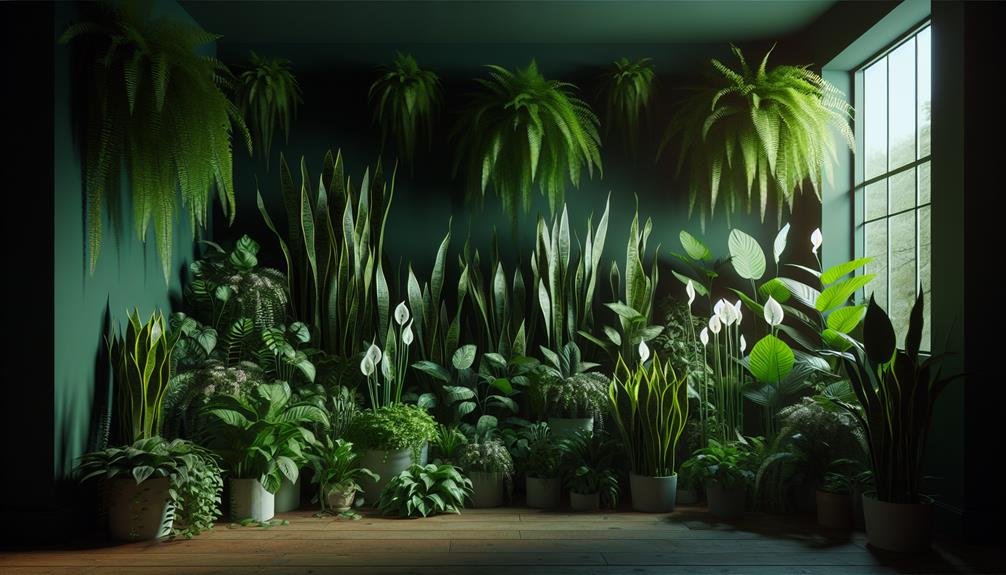
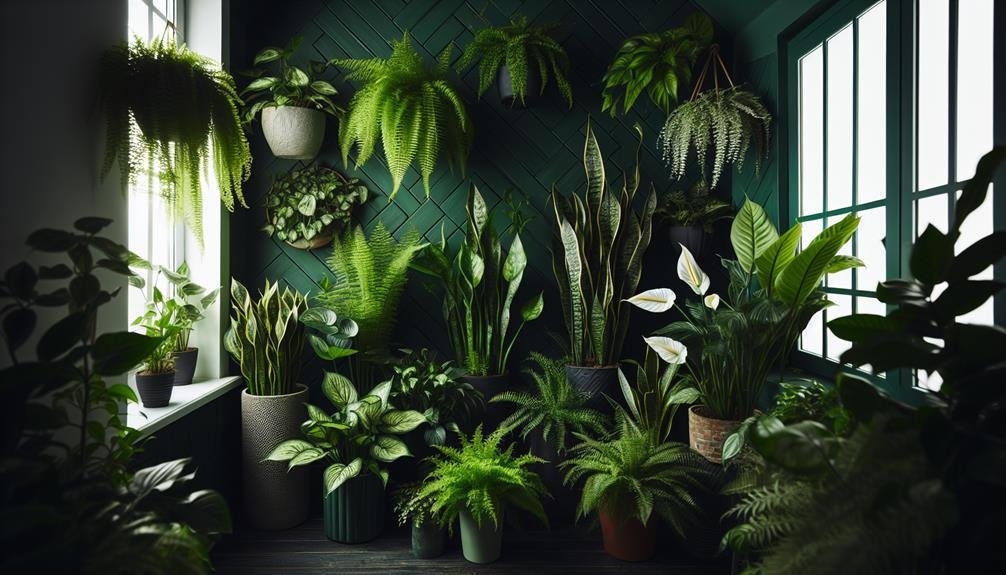
Opt for containers that come in various shapes, sizes, and materials to create visual interest. Ceramic pots with intricate designs can add a pop of color and texture to your plants, while wooden crates provide a rustic charm that enhances the natural elements of your greenery. Hanging baskets are great for trailing plants, adding a dynamic element to your plant display.
Additionally, mixing and matching different containers can create a visually appealing arrangement. Grouping plants in containers of varying heights and colors can add depth and dimension to your garden. Don't be afraid to get creative and experiment with unconventional containers like teacups, mason jars, or even old tires to showcase your plants in a unique and personalized way.
Maximizing Space Efficiency
Consider optimizing your plant display by strategically utilizing every available space to its maximum potential. When it comes to maximizing space efficiency for your plants, think vertically. Utilize hanging baskets, wall-mounted planters, or tiered shelving to make use of vertical space and free up valuable floor space. Hanging planters not only add a decorative touch but also keep your plants safe from potential hazards on the ground.
Additionally, consider grouping plants with similar light and water requirements together. This not only creates an aesthetically pleasing display but also ensures that your plants thrive in their shared environment. Utilizing plant stands or tiered shelving allows you to create a visually appealing arrangement while still maximizing space efficiency by stacking plants vertically.
Furthermore, don't overlook unconventional spaces like windowsills, stairway landings, or even the top of cabinets. These areas can serve as perfect spots for smaller plants or herb gardens, adding a touch of greenery to unexpected places in your home. By thinking outside the box and making use of all available spaces, you can create a lush and thriving indoor garden while keeping your living area organized and clutter-free.
Providing Proper Drainage and Aeration
For healthy plant growth, ensure proper drainage and aeration in your containers. Adequate drainage is crucial as it prevents waterlogging, which can lead to root rot and other issues. To achieve this, start by selecting containers with drainage holes at the bottom. These holes allow excess water to escape, preventing it from pooling at the bottom and suffocating the roots. Additionally, consider using a layer of small rocks or pebbles at the bottom of the container before adding soil. This helps create space for water to drain and improves overall aeration.

In terms of aeration, it's essential to ensure that oxygen can reach the roots of your plants. Compacted soil can restrict airflow, so it's beneficial to use a well-draining potting mix that promotes oxygen circulation. You can also incorporate materials like perlite or sand into the soil mix to improve aeration. Regularly inspect your containers to make sure they aren't becoming waterlogged or compacted, as this can hinder plant growth and health. By prioritizing proper drainage and aeration, you create a favorable environment for your plants to thrive.
Promoting Healthy Root Development
Proper root development is crucial for the overall health and growth of your plants in containers. When roots have ample space to grow and spread, they can efficiently absorb nutrients and water, promoting strong and healthy plant growth.
To ensure healthy root development, choose containers that are appropriately sized for the plant you're growing. A container that's too small can restrict root growth and lead to root-bound plants. Additionally, using a well-draining potting mix that provides good aeration can prevent issues like root rot, which can hinder root development.
Regularly inspecting the roots of your plants can also help you assess their health. Healthy roots are typically white or light-colored, firm, and spread throughout the soil. If you notice roots circling around the pot or appearing dark and mushy, it may indicate poor root development or issues like overwatering.
Preventing Pest and Disease Issues
To effectively prevent pest and disease issues with your container plants, regularly inspecting both the foliage and soil is essential. By keeping a close eye on your plants, you can catch any early signs of infestations or diseases, allowing you to take prompt action.
Look for any discoloration, spots, holes, or unusual growth patterns on the leaves. Insects like aphids, spider mites, and whiteflies tend to hide on the underside of leaves, so make sure to check there as well. Additionally, inspect the soil for any signs of mold, fungus, or pests like fungus gnats.
Maintaining proper watering practices, ensuring good air circulation around your plants, and avoiding overcrowding can also help prevent pest and disease issues. Consider using natural remedies or organic pesticides if needed, but always follow instructions carefully to protect your plants and the environment.
Frequently Asked Questions
Can Using Creative Containers Affect the Flavor or Nutrient Content of the Plants Grown in Them?
Using creative containers for your plants can indeed influence their flavor and nutrient content. The materials and design of the container can impact factors like water retention, soil aeration, and root development, all of which play a role in the plant's overall health.
Choosing suitable containers can help optimize growing conditions and ultimately contribute to the flavor and nutrient profile of your plants. So, it's worth considering creative container ideas when cultivating your green friends.
How Can Creative Container Ideas Impact the Overall Sustainability and Environmental Impact of Gardening?
When it comes to gardening, your choice of creative container ideas can greatly influence sustainability and environmental impact. Opting for recycled materials or upcycled containers reduces waste and promotes eco-friendly practices.
Additionally, selecting containers that enhance water conservation or support natural pest control can contribute to a more sustainable gardening approach. By incorporating such creative ideas, you play a vital role in reducing your environmental footprint and promoting a healthier ecosystem.
Are There Any Specific Safety Considerations to Keep in Mind When Using Unconventional Containers for Plants?
When using unconventional containers for plants, always prioritize safety. Consider factors like material toxicity, drainage, and stability. Ensure containers are free from harmful chemicals that could leach into the soil.
Adequate drainage holes prevent waterlogging and root rot. Sturdy containers prevent tipping and damage to the plants. By keeping safety in mind, you can enjoy your creative container gardening while promoting a healthy environment for your plants to thrive.
How Do Creative Container Ideas Contribute to the Overall Well-Being and Mental Health Benefits of Gardening?
When you think outside the box with creative container ideas for your plants, you add a personal touch to your gardening experience.
These unique containers can elevate the aesthetic appeal of your garden, creating a more enjoyable and visually pleasing environment.
Can Using Unique Containers for Plants Have an Impact on Local Wildlife or Ecosystems?
Using unique containers for plants can indeed impact local wildlife and ecosystems. Certain containers may attract beneficial insects or birds, contributing to a more diverse and balanced ecosystem.
However, some containers can also have negative effects if they leach harmful chemicals into the soil or disrupt natural habitats. It's essential to consider the materials and design of your containers to ensure they have a positive impact on the local wildlife and ecosystems.
Conclusion
In conclusion, creative container ideas are essential for plants because they enhance their aesthetics, maximize space efficiency, provide proper drainage and aeration, promote healthy root development, and prevent pest and disease issues.
By utilizing innovative container designs, you can't only beautify your space but also ensure the health and growth of your plants.
So next time you're choosing containers for your plants, think outside the box and get creative!