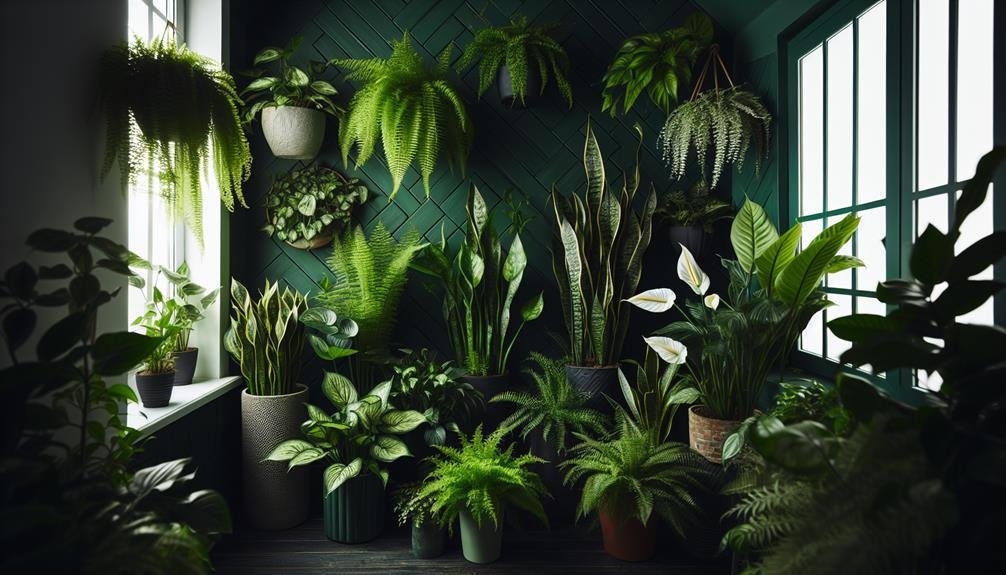
When it comes to repotting a houseplant, the process may seem straightforward yet holds crucial intricacies for the well-being of your green companion. You've picked the perfect spot, watered faithfully, but what about the next step?
How do you make sure your plant thrives in its new home? Let's break down the essential steps to ensure a smooth transition and promote growth for your beloved houseplant.
Selecting the Right Pot Size
When choosing a pot size for your houseplant, consider a container that's just 1-2 inches larger in diameter than the current one. Selecting the right pot size is crucial for the health and growth of your plant. A pot that's too large can lead to overwatering issues, as the excess soil retains more moisture than the plant needs. Conversely, a pot that's too small may restrict root growth and cause the plant to become root-bound.
Preparing the New Potting Mix
To prepare the new potting mix for your houseplant, gather the necessary materials and follow these steps for optimal plant health. Begin by selecting a high-quality potting mix specifically formulated for your type of plant. Look for mixes that provide good drainage and aeration to prevent root rot. You'll also need a clean container for mixing the new soil.
Next, gather perlite or sand to improve drainage and prevent compaction. Mix these materials in a ratio suitable for your plant's needs; generally, a 1:1 ratio of potting mix to perlite or sand works well for most houseplants. Additionally, consider adding some organic matter like compost to enrich the soil with nutrients.
Once you have all the materials ready, combine them thoroughly in the mixing container. Ensure that the new potting mix is well blended before using it to repot your houseplant. Following these steps will help provide your plant with a healthy environment to thrive in its new pot.
Gently Removing the Plant
If your houseplant is currently in a pot that's too small, gently removing the plant without causing damage to the roots is crucial for its successful repotting process. To begin, water the plant thoroughly a day or two before repotting. This will help loosen the soil and make it easier to remove the plant from its current container.
Once the soil has had a chance to moisten, gently tip the pot on its side and support the base of the plant as you slide it out. If the plant is stuck, gently squeeze the sides of the pot to loosen it. Avoid pulling the plant out forcefully as this can harm the roots.
Inspect the root ball for any signs of overcrowding or roots circling around the bottom. If you notice any, gently tease the roots apart to encourage outward growth. Be mindful not to break or damage the roots during this process. With the plant successfully removed from its old pot, you're now ready to move on to the next step in the repotting process.
Inspecting and Pruning Roots
Once the plant is out of its old pot, carefully inspect the roots for any signs of overcrowding or tangling. Overcrowded roots can hinder the plant's growth by limiting its ability to absorb water and nutrients. If you notice roots circling around the root ball or growing out of the drainage holes, it's time for some pruning.

Using clean and sharp pruning shears, trim any roots that are circling around the root ball. Make clean cuts to remove these roots entirely. Additionally, prune any brown or mushy roots as they may be a sign of root rot. Healthy roots are typically white or light-colored, firm, and spread outwards.
Be mindful not to prune more than one-third of the root system to avoid shocking the plant. After pruning, gently untangle any remaining roots to encourage outward growth. This process will help the plant establish itself in its new pot more effectively. Pruning and inspecting the roots are crucial steps in ensuring the overall health and vitality of your houseplant.
Settling the Plant in Its New Home
Now it's time to carefully position the plant in its new home, ensuring it sits securely in the center of the pot. Start by placing a layer of fresh potting soil in the bottom of the pot, creating a base for the plant to rest on. Gently lift the plant by its root ball, being mindful not to damage the roots you inspected and pruned earlier. Lower the plant into the center of the pot, making sure it's at the same depth as it was in its previous container.
Once the plant is positioned correctly, fill the remaining space around the root ball with more potting soil. Use your hands to gently press the soil down, securing the plant in place while leaving about an inch of space between the soil and the rim of the pot. This gap allows for watering without overflow.
After settling the plant, give it a thorough watering to help the soil settle and hydrate the roots. Place the newly potted plant in an appropriate location based on its light and temperature needs. With the plant now comfortably settled in its new home, it can begin to thrive and grow.
Frequently Asked Questions
How Often Should Houseplants Be Repotted?
You should repot houseplants every 1 to 2 years. It helps them thrive by refreshing the soil and providing more space for roots to grow.
Keep an eye on signs like roots growing out of drainage holes or feeling root-bound. When repotting, choose a slightly larger pot with good drainage.
Gently loosen the roots, add fresh soil, and water thoroughly. This routine maintenance will keep your houseplants healthy and happy.
Can I Use Regular Soil From My Garden for Repotting Houseplants?
You shouldn't use regular garden soil for repotting houseplants. It can compact too much, affecting drainage and root health.
Opt for a well-draining potting mix specifically formulated for houseplants. These mixes provide the right balance of nutrients and aeration for your plant to thrive.
Is It Necessary to Water the Plant After Repotting?
After repotting, you should definitely water the plant. It's essential to give it a good drink to help it settle into its new home. Watering will also help the roots adjust to the new soil and reduce the stress on the plant from being transplanted.
Make sure not to overwater, though, as this can lead to root rot. Keep the soil moist but not waterlogged for the best results.
Are There Any Specific Tools or Equipment Needed for Repotting Houseplants?
When repotting houseplants, you'll need specific tools. Basic items like a new pot, fresh soil, and a trowel are essential. Consider having pruning shears for trimming roots and foliage.
A watering can for moistening the soil post-repotting is important. Optional tools include gloves for protection and a plant mister for humidity.
These tools will help you efficiently repot your houseplants and ensure their well-being.
Should I Fertilize My Houseplant After Repotting?
After repotting your houseplant, it's generally recommended to hold off on fertilizing for a bit. Giving your plant time to adjust to its new environment and recover from the repotting process is crucial.
Wait at least a few weeks before introducing fertilizer to avoid overwhelming the plant. This patience will help ensure your houseplant continues to thrive and grow strong in its new pot.
Conclusion
Now that you've repotted your houseplant, remember to give it some time to adjust to its new home.
Make sure to water it appropriately and provide the necessary sunlight.
By following these steps, your plant should thrive in its new pot and continue to bring beauty to your space.
Happy gardening!