When it comes to maintaining the health of your indoor green companions, managing the presence of certain tiny visitors can be a task. But fear not, as there are strategies at your disposal to keep your houseplants thriving and pest-free.
From understanding the types of pests that may plague your plants to incorporating natural remedies and safe insecticides, a multi-faceted approach awaits to assist you in safeguarding your leafy friends.
Stay tuned to uncover effective ways to control houseplant pests and cultivate a flourishing indoor garden.
Identifying Common Houseplant Pests
If you notice tiny insects or sticky residue on your houseplants, you may be dealing with common pests that can harm your green companions. One of the most prevalent pests is the spider mite. These tiny arachnids are difficult to spot with the naked eye but leave fine webbing on your plants.
Another troublesome pest is the aphid. These small, soft-bodied insects come in various colors and feed on plant juices, causing leaves to yellow and distort.
Mealybugs are another common houseplant pest. These white, cotton-like insects tend to gather in clusters on stems and leaf joints, sucking sap from the plant.
Thrips are slender, brownish insects that damage plants by rasping and sucking their contents.
Lastly, fungus gnats are small, black flies that lay eggs in potting soil; their larvae feed on plant roots. Identifying these pests is crucial to effectively combatting them and ensuring the health of your beloved houseplants.
Implementing Cultural Control Methods
To effectively control houseplant pests, implementing cultural control methods is essential for maintaining the health and well-being of your indoor greenery. Cultural control methods involve practices that create an environment where pests are less likely to thrive.
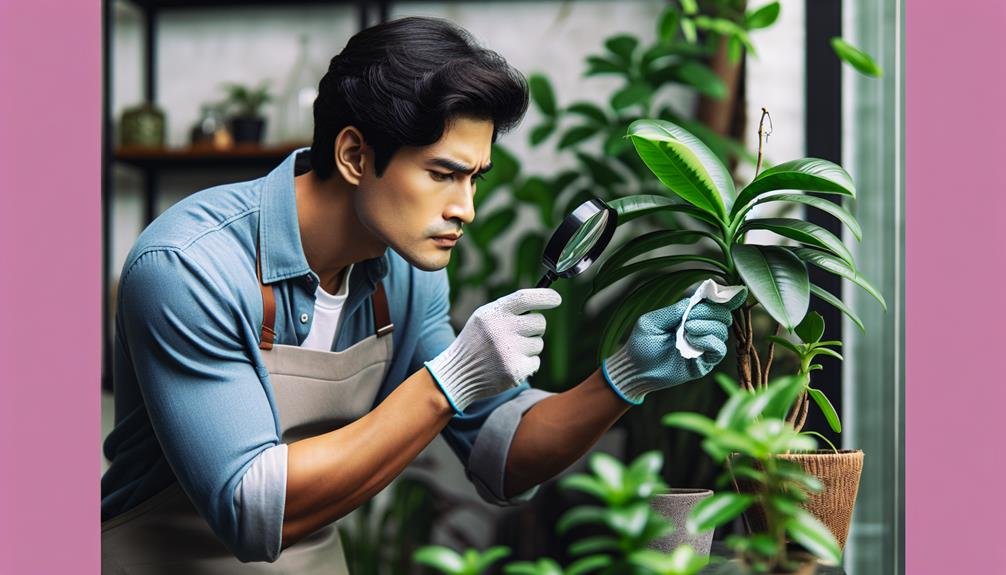
Start by inspecting your plants regularly to catch any pest infestations early. Ensure proper spacing between plants to prevent pests from easily spreading. Overcrowding can create a haven for pests to multiply rapidly.

Proper watering is crucial; overwatering can lead to conditions that attract pests, while underwatering weakens plants, making them more susceptible to infestations. Additionally, regularly cleaning your plants and the surrounding area can help remove any eggs or pests present.
Consider rotating your plants' locations periodically to prevent pests from getting too comfortable in one spot. By implementing these cultural control methods, you can help keep your houseplants healthy and pest-free.
Using Natural Remedies and DIY Solutions
Consider incorporating natural remedies and DIY solutions to effectively combat houseplant pests and protect your indoor greenery. When dealing with pests like aphids or spider mites, a simple solution of water and mild dish soap can be sprayed on the leaves to suffocate and kill them. Additionally, neem oil is a natural insecticide that disrupts pests' hormonal balance, making it harder for them to feed and reproduce. You can mix a few drops of neem oil with water and spray it on your plants every few weeks as a preventive measure.
For fungal issues such as powdery mildew, a mixture of baking soda and water can help prevent its spread. Spraying this solution on the affected plants can inhibit the growth of the fungus. Furthermore, introducing beneficial insects like ladybugs or predatory mites can act as natural pest control by preying on the harmful insects infesting your plants. These methods offer effective, eco-friendly solutions to keep your houseplants healthy and pest-free.
Applying Safe and Effective Insecticides
When dealing with houseplant pests, selecting safe and effective insecticides is crucial for maintaining the health of your indoor greenery. There are various insecticides available, but it's important to choose ones that are safe for indoor use and specifically formulated for houseplants. Look for products labeled as safe for indoor plants and follow the instructions carefully to ensure proper application.
Before applying any insecticide, identify the type of pest infesting your plants to select the most effective treatment. Common houseplant pests include spider mites, aphids, mealybugs, and fungus gnats, each requiring different insecticides for control. When applying the insecticide, focus on the affected areas while ensuring to cover the undersides of leaves where pests often hide.
Regularly monitor your plants for any signs of recurring infestations and promptly address them with the appropriate insecticide. Remember to keep your indoor space well-ventilated during and after application to minimize any potential risks. By choosing safe and effective insecticides and applying them correctly, you can effectively control houseplant pests and keep your indoor greenery thriving.
Preventing Future Infestations
To prevent future infestations of houseplant pests, implement proper plant care practices such as regular watering and cleaning of leaves. Maintaining a consistent watering schedule helps keep your plants healthy and less susceptible to pests. Overwatering can create a hospitable environment for pests, so make sure not to drown your plants.
Additionally, regularly inspect your plants for any signs of pests or diseases. Early detection can prevent infestations from spreading and causing significant damage. When bringing new plants into your home, quarantine them for a couple of weeks to ensure they aren't carrying any unwanted pests.
Furthermore, avoid overcrowding your plants as this can create a breeding ground for pests. Consider placing plants outdoors periodically to allow for natural pest control methods like beneficial insects to thrive. By following these preventive measures, you can significantly reduce the risk of future infestations and keep your houseplants healthy and pest-free.
Frequently Asked Questions
Can Houseplant Pests Spread to Other Plants in My Home?
Yes, houseplant pests can spread to other plants in your home if not controlled. Pests like aphids, mealybugs, and spider mites can move from one plant to another, causing damage along the way.
Keep a close eye on your plants, especially those in close proximity, and take action promptly if you notice any signs of infestation to prevent the spread to other plants.
Regular inspection and care are key to maintaining a healthy plant environment.
How Do I Know if My Houseplant Is Being Affected by a Pest or a Disease?
If your houseplant is being affected by a pest or a disease, you may notice signs such as discolored or wilting leaves, unusual spots or markings, or visible pests like insects or webs on the plant.
Regularly inspect your plants for any abnormalities and take action promptly to address the issue before it spreads to other plants. Proper care, like watering and fertilizing correctly, can also help prevent pests and diseases from taking hold.
Are There Any Specific Types of Houseplants That Are More Prone to Pest Infestations?
Certain houseplants are more susceptible to pest infestations due to factors like humidity levels, watering practices, and plant species. Plants like spider plants, ferns, and palms are often targeted by pests.
Providing proper care and monitoring these plants regularly can help prevent infestations. Remember to inspect your houseplants frequently and take action promptly if you notice any signs of pests to keep your green friends healthy and thriving.
Can Overwatering or Underwatering My Houseplants Attract Pests?
Overwatering or underwatering your houseplants can indeed attract pests. When you water too much, it creates a damp environment where pests like fungus gnats thrive.
On the other hand, underwatering weakens plants, making them more susceptible to pest attacks. Finding the right balance in watering is key to keeping pests at bay.
Are There Any Household Items or Practices That Can Unintentionally Contribute to Pest Problems in Houseplants?
When caring for your houseplants, be mindful of how certain household items or practices can inadvertently attract pests.
Overwatering, using old potting soil, neglecting to clean plant containers, and placing plants in direct sunlight for extended periods can all contribute to pest problems.
Conclusion
Overall, controlling houseplant pests requires a combination of proactive measures and quick action. By identifying common pests, implementing cultural control methods, using natural remedies, and applying safe insecticides, you can effectively manage and prevent infestations.
Remember to regularly inspect your plants, keep them healthy, and create an inhospitable environment for pests. With these strategies in place, you can enjoy a thriving indoor garden free from unwanted visitors.