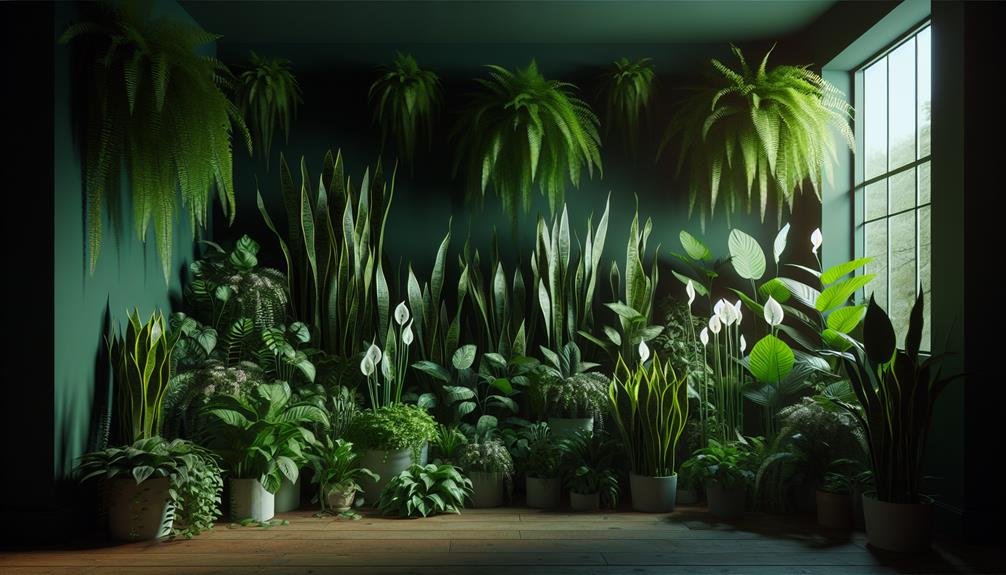
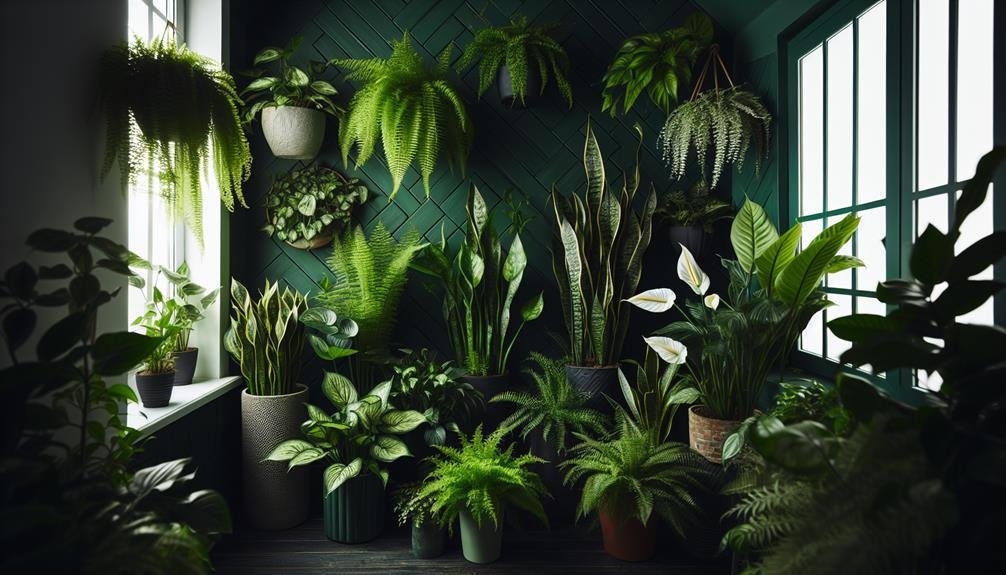
Did you know that over 70% of houseplant issues are related to improper lighting? Understanding how to provide the best light for your indoor plants is crucial for their health and growth.
By following a few simple lighting tips, you can transform your home into a thriving oasis of greenery. So, let's shed some light on the key factors that will help your houseplants thrive and flourish.
Understanding Your Plant's Light Requirements
Have you ever wondered how to determine the light requirements of your houseplants? Understanding the light needs of your plants is crucial for their growth and overall health. Different plants have varying preferences when it comes to light intensity and duration. To assess your plant's light requirements, start by observing its natural habitat. Plants that thrive in sunny outdoor locations will generally need bright, direct light indoors, while those that are native to shaded areas will prefer lower light conditions.
Another way to determine your plant's light needs is by looking at its leaves. Plants with thick, dark green leaves typically require less light, as they've adapted to lower light levels to avoid losing moisture. In contrast, plants with thin or light-colored leaves often need more sunlight to support their photosynthesis process.
Finding the Perfect Spot for Placement
To ensure optimal growth for your houseplants, pinpointing the ideal location for placement is key. Start by examining the light requirements of your plants. Most houseplants thrive in bright, indirect light, so look for spots near windows where they can receive this type of lighting.
East-facing windows provide gentle morning light, ideal for many plants. If your plant needs more light, south-facing windows are great for maximum sunlight exposure. For plants that prefer lower light levels, consider west-facing windows. Keep in mind that the intensity of sunlight changes throughout the year, so you may need to adjust the placement of your plants accordingly.
Additionally, watch out for any obstructions that may block light, such as curtains or nearby buildings. Remember to rotate your plants regularly to ensure even growth on all sides. By carefully selecting the right spot for each of your houseplants, you can set them up for success and enjoy a thriving indoor garden.
Choosing the Right Light Source
When selecting the right light source for your houseplants, consider the intensity and duration of light exposure they require to thrive. Different plants have varying light needs, so it's essential to match them with the appropriate light source. For plants needing high light, such as succulents or cacti, direct sunlight or grow lights are ideal. Medium-light plants like pothos or peace lilies do well with bright, indirect light, making them suitable for spaces with filtered sunlight. Low-light plants, such as snake plants or ZZ plants, thrive in areas with minimal natural light or artificial sources like fluorescent lights.
Natural light from windows is a fantastic source for many houseplants, but be cautious of direct sunlight, which can scorch leaves. If natural light is insufficient, supplement with artificial sources like fluorescent, LED, or grow lights. LED lights are energy-efficient and come in various spectrums to cater to different plant needs. Remember to position the light source close enough to provide adequate light without causing heat damage to your plants. By choosing the right light source, you provide your houseplants with the essential energy they need to flourish.
Adjusting Light Levels as Needed
Adjust light levels for your houseplants based on their individual needs to ensure they receive the optimal amount of light for healthy growth. Different plants have varying light requirements, so it's essential to monitor and adjust the light exposure accordingly. If you notice your plant's leaves turning yellow or becoming leggy, it might be a sign that they aren't getting enough light. On the other hand, if you see scorched or bleached leaves, it could indicate too much light exposure.

To adjust light levels, you can try rotating your plants regularly to ensure all sides receive equal light distribution. Moving them closer to or further away from the light source can also help regulate the amount of light they receive. For plants that require high light levels, consider supplementing with artificial grow lights to provide the necessary intensity. Conversely, if a plant prefers low light conditions, place it in a spot with indirect sunlight or filtered light to prevent damage from too much brightness.
Avoiding Common Lighting Mistakes
Avoid overlooking the importance of proper lighting placement for your houseplants to prevent common mistakes that can hinder their growth and health.
One common error is placing plants too far from a light source. Ensure your plants are within the recommended distance from the light to avoid stretching or weakening of the plant.
Additionally, don't forget to rotate your plants regularly. Failure to do so can result in uneven growth as the plant leans towards the light source.
Another mistake to avoid isn't cleaning your light sources. Dust and dirt can accumulate on bulbs or fixtures, reducing the light intensity reaching your plants.
Frequently Asked Questions
How Can I Tell if My Houseplant Is Getting Too Much Direct Sunlight?
If your houseplant is getting too much direct sunlight, you may notice signs like scorched or yellowing leaves. Move the plant to a spot with more indirect light to prevent further damage.
Remember to monitor the plant's response to the new location to ensure it gets the right amount of light. Adjust as needed until you find the perfect balance for your plant's growth and health.
Can I Use Artificial Lighting to Supplement Natural Light for My Houseplants?
You can definitely use artificial lighting to supplement natural light for your houseplants. It's a great way to ensure they're getting enough light, especially if your home doesn't have ideal natural light conditions.
Just make sure to choose the right type of artificial light, such as LED or fluorescent bulbs, and place them at the correct distance from your plants to mimic natural sunlight. This can help your plants thrive and stay healthy indoors.
Are There Specific Types of Light Bulbs That Are Better for Houseplants Than Others?
When it comes to houseplants, certain light bulbs work better than others. Some types provide the right spectrum of light for optimal plant growth. LED bulbs are energy-efficient and emit light that plants love.
Fluorescent lights are also a good choice, especially if you have a large plant collection. Keep in mind the color temperature of the bulbs; plants prefer warm or cool white light.
Choose wisely to keep your houseplants thriving!
How Often Should I Rotate My Houseplants to Ensure Even Light Distribution?
To ensure even light distribution for your houseplants, rotate them regularly. Different spots in your home receive varying amounts of sunlight, so rotating your plants helps them get equal exposure.
Is It Necessary to Provide Additional Lighting for My Houseplants During the Winter Months?
During winter, it's crucial to provide extra lighting for your houseplants, as natural light levels drop.
Consider adding grow lights to supplement sunlight and help your plants thrive.
Position the lights above the plants to mimic the sun's angle and provide consistent illumination.
This will ensure your houseplants receive the light they need to stay healthy and vibrant during the darker winter months.
Conclusion
Now that you have learned the best lighting tips for your houseplants, remember to always consider your plant's light requirements.
Find the perfect spot for placement, choose the right light source, adjust light levels as needed, and avoid common lighting mistakes.
By following these simple guidelines, you can ensure that your houseplants thrive and stay healthy in their environment.
Happy gardening!