To thrive and flourish, your houseplants require proper lighting care. Understanding their light requirements is crucial.
But did you know that placement plays a pivotal role in their growth? Finding that sweet spot can make all the difference.
However, there's one more tip that can truly elevate your plant game. Stay tuned to uncover the secret to supplementing your green buddies with the best grow lights for optimal health and vibrancy.
Understanding Light Requirements
To ensure your houseplants thrive, it's essential to understand their specific light requirements. Different plants have varied needs when it comes to light intensity, duration, and quality. Some plants thrive in bright, direct sunlight, while others prefer indirect or filtered light. Understanding these preferences is crucial for the health and growth of your indoor greenery.
Plants are classified into three main categories based on their light requirements: high light, medium light, and low light. High light plants need direct sunlight for several hours a day, while medium light plants thrive in bright, indirect light. Low light plants can survive in areas with minimal natural light, making them ideal for spaces with few windows.
Observing your plants can also provide valuable insight into their light needs. If you notice your plant's leaves turning yellow or becoming leggy, it may be a sign that they aren't receiving adequate light. Moving them to a brighter spot can help them regain their health and vitality. Remember, proper lighting is essential for the overall well-being of your houseplants.
Placement: Finding the Sweet Spot
Understanding your plant's light requirements is only half the battle; now it's time to find the perfect spot to place them in your home. When determining the ideal placement for your houseplants, consider the specific lighting needs of each plant. For instance, high-light plants like succulents and cacti thrive in bright, direct sunlight, so placing them near a sunny window is key. On the other hand, low-light plants such as snake plants and pothos can tolerate indirect or filtered light, making them suitable for areas with less natural light.
Take into account the direction of light coming into your home. Plants that require high light should be placed in south-facing windows where they can receive the most intense sunlight throughout the day. East-facing windows offer gentle morning light, making them suitable for plants that prefer moderate light levels. West-facing windows provide afternoon sun, which can be intense, so be mindful of potential sunburn on sensitive plants. North-facing windows generally offer the lowest light levels and are best suited for low-light plants. By understanding your plant's light requirements and finding the sweet spot in your home, you can create the perfect environment for your indoor garden to flourish.
Supplementing With Grow Lights
Considering your houseplants' lighting requirements, incorporating grow lights can be a beneficial way to supplement their light needs, especially in areas with limited natural sunlight. Grow lights are designed to provide the specific spectrum of light that plants need for photosynthesis, promoting healthy growth and blooming.
When using grow lights, it's essential to position them correctly above your plants, ensuring they receive an adequate amount of light without being scorched. LED grow lights are energy-efficient and produce less heat, making them a great option for indoor plant lighting. Make sure to adjust the height of the grow lights as your plants grow to maintain the ideal distance for light exposure.

Additionally, consider using a timer to regulate the amount of light your plants receive, mimicking natural daylight patterns. By supplementing your houseplants with grow lights, you can create a thriving indoor garden even in spaces with limited access to sunlight.
Frequently Asked Questions
How Can I Prevent My Houseplants From Getting Sunburned From Too Much Direct Light?
To prevent your houseplants from getting sunburned from too much direct light, it's essential to monitor their exposure.
Move them to a spot with indirect sunlight or provide some shade during the hottest parts of the day. Adjusting their placement or adding a sheer curtain can help filter the light.
Is It Necessary to Rotate My Houseplants Regularly to Ensure They Receive Even Light Exposure?
Yes, it's crucial to rotate your houseplants regularly for even light exposure. Moving them allows all sides of the plant to receive adequate sunlight, promoting balanced growth.
Neglecting rotation may result in uneven development, as some parts of the plant receive more light than others.
Can Artificial Light Sources Like LED Light Strips Be Used to Supplement Natural Light for Houseplants?
Yes, you can use LED light strips to supplement natural light for your houseplants. LED lights provide a good source of light that can help your plants thrive even when natural sunlight is limited.
Just make sure to position the LED lights at the correct distance from your plants and keep them on for the right amount of time each day to ensure your plants receive the light they need to grow healthy and strong.
What Are Some Signs That My Houseplant Is Not Receiving Enough Light and How Can I Remedy This?
If your houseplant isn't getting enough light, it may show signs like leggy growth, pale leaves, or dropping leaves.
To remedy this, consider moving the plant to a brighter spot, closer to a window. You can also supplement natural light with artificial light sources like LED light strips.
Ensure your plant gets the right amount of light to thrive and adjust its placement as needed for optimal growth.
Are There Any Specific Types of Houseplants That Thrive in Low Light Conditions and Require Minimal Lighting Care?
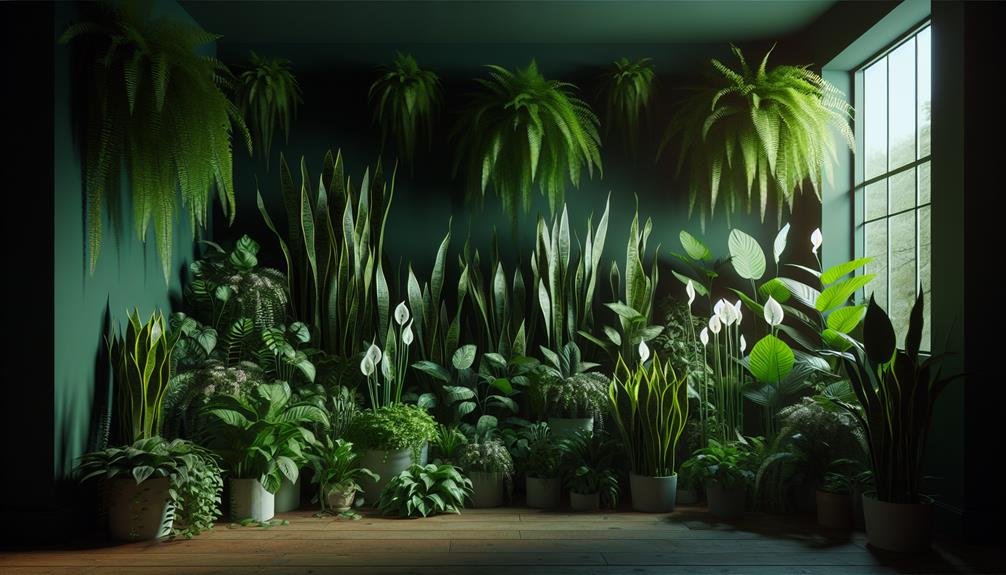
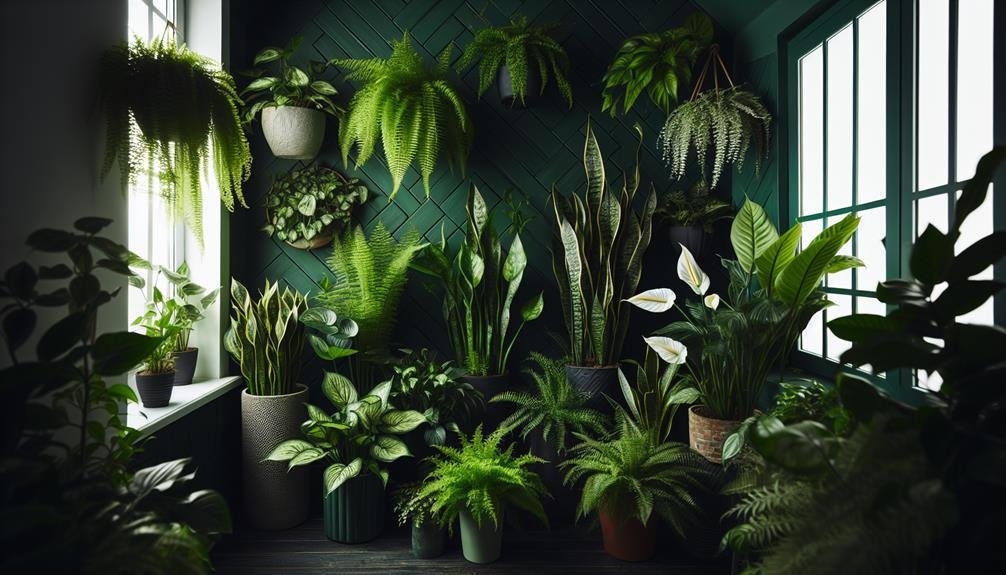
If you're looking for houseplants that do well in low light and need minimal care, consider options like snake plants, pothos, and peace lilies.
These plants can thrive in areas with limited light exposure, making them ideal choices for spaces without bright sunlight.
Remember to still keep an eye on them and adjust watering accordingly, even though they require less light, they still need some care to stay healthy.
Conclusion
Now that you have a better understanding of the lighting needs of your houseplants, remember to place them in the right spot to thrive.
Don't forget to consider supplementing with grow lights if needed.
By following these simple tips, you can ensure that your indoor plants receive the optimal amount of light to keep them healthy and happy.
Happy gardening!