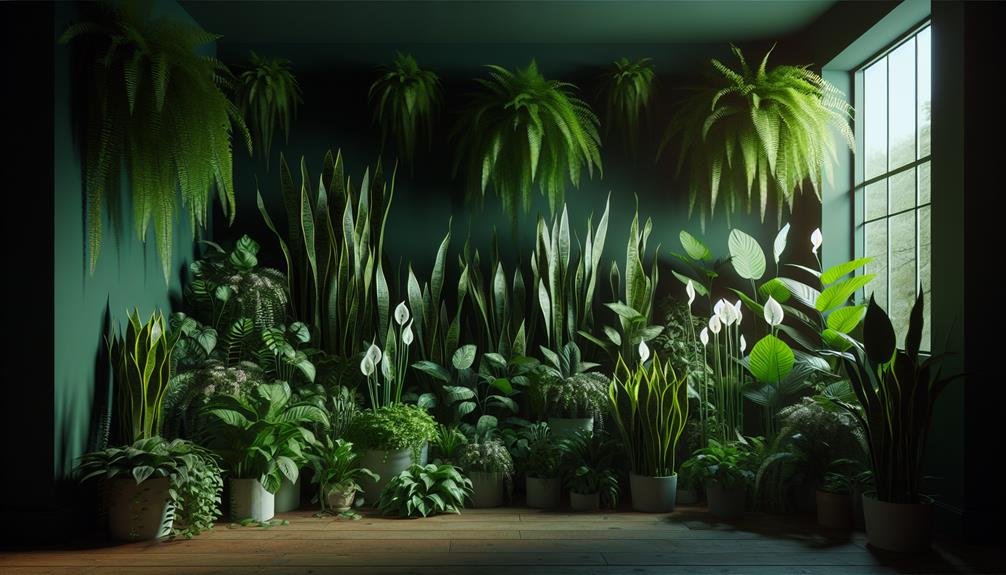
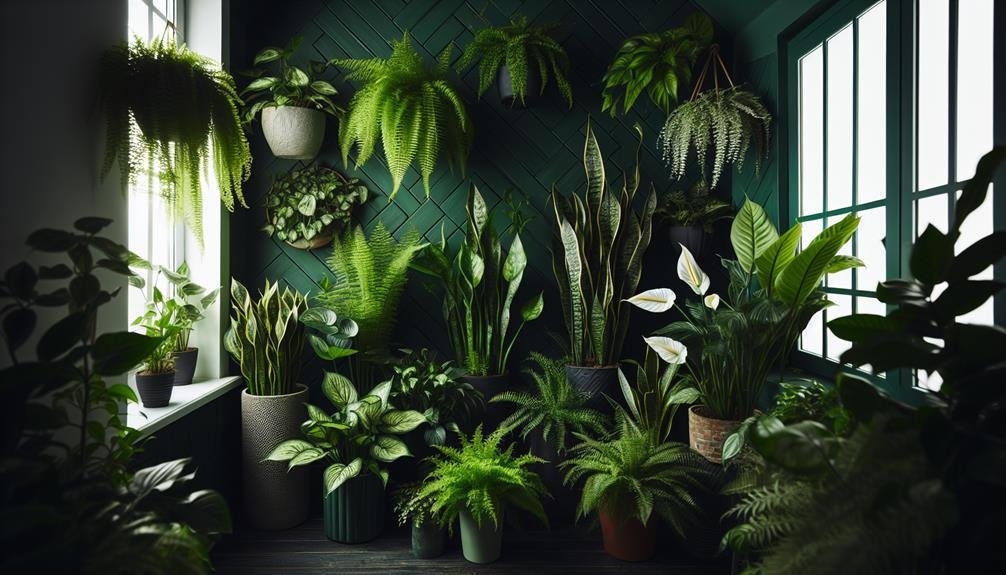
When it comes to nurturing your houseplants, remember the old saying, 'A plant needs light as much as it needs water.'
But how can you ensure your leafy companions receive the best lighting? By following a few key tips and understanding their light requirements, you can create a thriving indoor garden.
Let's shed some light on the secrets to keeping your houseplants healthy and vibrant.
Understanding Plant Light Needs
To ensure healthy growth, it's crucial to understand your houseplants' specific light requirements. Different plants have varying needs when it comes to light exposure. Some thrive in bright, direct sunlight, while others prefer indirect or low-light conditions. Understanding these preferences is key to providing the optimal environment for your plants to flourish.
Plants that require high light levels typically need at least 6 hours of direct sunlight daily. Examples of these light-loving plants include succulents, cacti, and many flowering houseplants. On the other hand, plants that prefer low light, such as peace lilies and snake plants, can thrive in areas with minimal natural light or fluorescent lighting.
Observing your plant's behavior can also give you clues about its light needs. If your plant starts to stretch or lean towards the light source, it may be indicating that it needs more sunlight. Conversely, if you notice leaf burn or fading colors, it could be a sign of too much direct light exposure. By understanding and meeting your houseplants' specific light requirements, you can set them up for success and vibrant growth.
Choosing the Right Light Source
When selecting the appropriate light source for your houseplants, consider the intensity and quality of light they require to thrive. Different plants have varying light needs, with some preferring bright, direct sunlight while others thrive in indirect or low-light conditions.
For plants that need high light levels, such as succulents or cacti, consider placing them near a south-facing window where they can receive ample sunlight. If your plants require medium light, like many tropical plants, an east or west-facing window might provide the right balance of light intensity.
For low-light plants such as peace lilies or snake plants, consider fluorescent lights or LED grow lights to supplement natural light. When choosing artificial light sources, opt for full-spectrum bulbs that mimic natural sunlight to support optimal plant growth.
Remember to position your plants accordingly to ensure they receive the right amount of light for healthy development.

Adjusting Light Levels as Needed
Consider adjusting the light levels for your houseplants based on their individual needs to promote healthy growth and development. Different plants have varying light requirements, so it's crucial to observe how your plants respond to their current lighting situation. If you notice signs of stress such as yellowing leaves or leggy growth, it may indicate that the light levels are too high or too low for your plant.
To increase light levels, you can move your plant closer to a window or provide supplemental artificial lighting. On the other hand, if your plant is receiving too much direct sunlight, consider moving it to a spot with filtered light or using sheer curtains to diffuse the light. Keep in mind that seasonal changes can also affect the amount of light your plants receive, so be prepared to adjust their placement accordingly.
Regularly monitoring your plants' response to light and making necessary adjustments will help ensure they thrive in their environment. Remember, finding the right balance of light is key to keeping your houseplants healthy and happy.
Monitoring Light Exposure Duration
For optimal plant health, ensure you monitor the duration of light exposure your houseplants receive daily. Different plants have varying light requirements, so it's crucial to keep track of how long your plants are exposed to light each day. Too much or too little light can both be detrimental to your houseplants' growth and overall well-being.
To monitor light exposure duration effectively, consider the location of your plants within your home. Plants near windows may receive more direct sunlight than those placed further away. Keep an eye on how many hours of sunlight each plant gets, especially if they're in different areas with varying light intensities.
Using a timer can be a helpful tool to track the duration of light exposure accurately. Set timers to ensure your plants receive the right amount of light each day, and adjust as needed based on your plants' individual requirements.
Implementing Artificial Lighting Solutions
To enhance your houseplants' growth and health indoors, incorporate artificial lighting solutions strategically. When natural light is limited or inadequate for your plants, artificial lighting can be a game-changer. LED grow lights are a popular choice due to their energy efficiency and customizable spectrum options. These lights mimic the sun's rays, providing the necessary light wavelengths for photosynthesis.
Place the lights at an appropriate distance from your plants to prevent light burn or insufficient light exposure. Adjustable hanging systems or light stands can help you position the lights at the optimal height as your plants grow. Remember to regularly clean the light fixtures to avoid dust accumulation that may obstruct light emission.
Consider the specific light requirements of your houseplants when selecting artificial lighting. Different species have varying needs, so tailor the light intensity and duration accordingly. Timers can be useful for maintaining consistent lighting schedules, ensuring your plants receive the right amount of artificial light each day. With a well-thought-out artificial lighting setup, your indoor plants can thrive year-round.
Frequently Asked Questions
Can I Use Regular Household Light Bulbs for My Houseplants, or Do I Need Special Grow Lights?
You can use regular household light bulbs for your houseplants, but special grow lights are more optimal for their growth. Regular bulbs may not provide the specific spectrum of light that plants need for photosynthesis.
Grow lights are designed to emit the right wavelengths for plant growth, helping them thrive. Consider investing in grow lights for your houseplants to ensure they receive the best lighting conditions for their health and development.
How Do I Know if My Houseplants Are Getting Too Much Light or Not Enough Light?
If your houseplants are getting too much light, their leaves might turn yellow or develop dry, crispy edges. On the other hand, if they're not getting enough light, you might notice leggy growth or a lack of new leaves.
To find the right balance, observe your plants and adjust their placement accordingly. Remember, each plant has its own light requirements, so pay attention to their individual needs to keep them healthy and thriving.
Is It Better to Have a Consistent Light Exposure Schedule for My Plants, or Should I Vary It Throughout the Year?
For your houseplants, it's important to maintain a consistent light exposure schedule. This provides them with the stability needed to thrive and grow healthily.
Sudden changes in light levels can stress your plants, affecting their development. By keeping a steady routine, you help them acclimate and flourish.
Can I Leave My Plants Under Artificial Grow Lights 24/7, or Do They Need a Period of Darkness?
You shouldn't leave your plants under artificial grow lights 24/7. Just like you, they need a period of darkness for rest. Plants have adapted to natural day and night cycles, and constant light can disrupt their growth and health.
Mimicking a natural lighting schedule with a proper balance of light and darkness will help your plants thrive. So, give them a break from the grow lights and let them have some darkness too.
Are There Any Specific Types of Plants That Require More or Less Light Than the Average Houseplant?
Certain plants, like succulents or cacti, need more sunlight than the average houseplant due to their desert origins. On the other hand, ferns and some tropical plants prefer lower light levels.
Understanding your plant's specific light requirements is crucial for their health. Remember to research each plant's needs to ensure they thrive in their environment.
Adjusting light exposure accordingly will help your plants flourish.
Conclusion
Now that you have learned the best lighting tips for your houseplants, remember to always consider their specific light needs.
Choose the right light source, adjust levels as needed, monitor exposure duration, and consider artificial lighting solutions when necessary.
By providing your plants with the proper lighting, you can ensure they thrive and stay healthy in your home.
Keep these tips in mind to create a vibrant and flourishing indoor garden!