
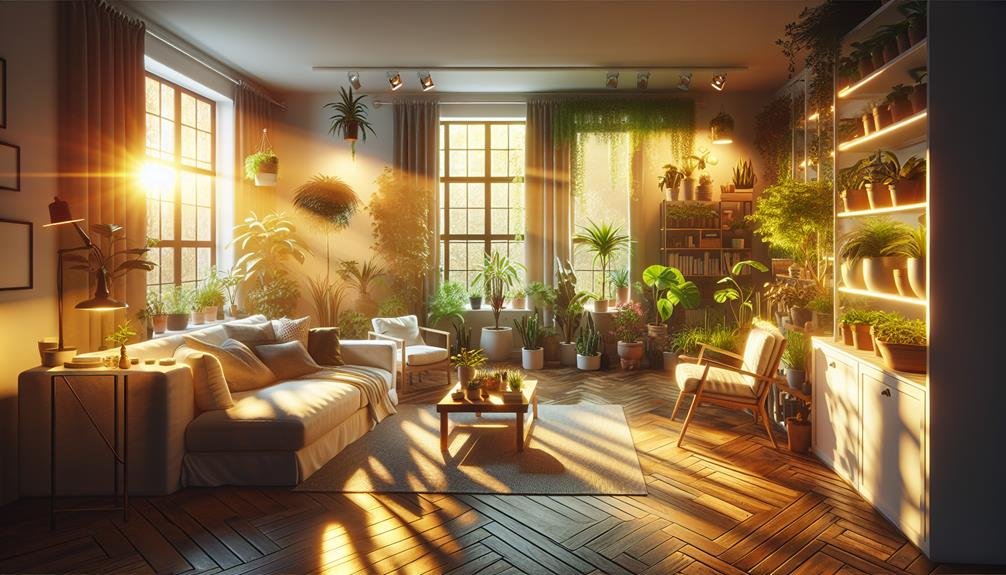
When it comes to selecting lighting for your houseplants, not all light sources are equal. Understanding the specific lighting needs of your indoor plants is crucial for their health and growth. By considering factors such as light intensity, duration, and positioning, you can create an optimal environment for your green companions.
Stay tuned to discover reliable tips that will help you make informed decisions when it comes to providing the right lighting for your houseplants.
Importance of Proper Lighting
When choosing lighting for your houseplants, understanding the importance of proper lighting is crucial for their health and growth. Light is essential for photosynthesis, the process through which plants convert light energy into chemical energy to fuel their growth. Without adequate light, houseplants may become weak, leggy, and struggle to produce flowers or fruits.
Insufficient light can lead to stunted growth and leaves that are pale in color. On the other hand, too much light can result in scorched or dried leaves. Different plants have varying light requirements, so it's important to match the lighting conditions to the specific needs of each plant species. Understanding the natural light conditions in your home and supplementing with artificial light when necessary can help ensure your houseplants thrive.
Proper lighting not only supports plant growth but also influences their overall well-being. By providing the right amount and intensity of light, you can help your houseplants flourish and create a beautiful indoor oasis.
Types of Light Sources
To effectively provide the right lighting for your houseplants, it's essential to understand the various types of light sources available. Natural light from windows is an excellent source, with east-facing windows providing gentle morning light, while south-facing windows offer bright, direct sunlight. West-facing windows provide afternoon light, and north-facing windows offer the lowest light levels.
Supplemental artificial lighting is also beneficial, with fluorescent lights being a cost-effective option that works well for most houseplants. LED lights are energy-efficient and emit specific light wavelengths that cater to plant growth stages. High-intensity discharge (HID) lights, like metal halide and high-pressure sodium bulbs, are powerful options suitable for larger plant collections.
Incandescent bulbs aren't very efficient for plant growth due to their low light output, but they can supplement other light sources. Understanding the different types of light sources will help you create the ideal lighting conditions for your indoor plants, ensuring they thrive and flourish.
Understanding Light Intensity
For optimal plant growth, gauge light intensity levels based on the specific needs of your houseplants. Light intensity refers to the brightness or concentration of light that reaches your plants. Different houseplants have varying light requirements, so it's crucial to understand how much light your plants need to thrive.
High light intensity is ideal for plants that require bright, direct sunlight. These plants thrive in sunny windowsills or under grow lights specifically designed for high-light plants. On the other hand, low light intensity is suitable for plants that prefer indirect or filtered light. These plants can thrive in areas with less natural light, such as corners of a room or further away from windows.

Medium light intensity falls between high and low light levels and is suitable for many common houseplants. These plants do well in areas with bright, indirect light or a few feet away from a sunny window. Understanding light intensity is key to providing the right conditions for your houseplants to flourish.
Positioning Your Houseplants
Position your houseplants in locations that provide the appropriate light intensity for their specific needs to ensure optimal growth and health. Place plants that require high light levels, such as cacti and succulents, near south-facing windows where they can receive direct sunlight. For plants that thrive in moderate light, like ferns and orchids, consider placing them near east or west-facing windows where they can get bright, indirect light. Low-light plants such as snake plants and pothos can be positioned further away from windows or in rooms with less natural light, like north-facing rooms.
Keep in mind that the intensity of light can vary throughout the day and even from season to season, so observe how the light falls in different areas of your home before deciding on permanent placements for your houseplants. Additionally, be mindful of any obstructions that may block light, such as curtains or nearby buildings, and adjust plant positions accordingly to ensure they receive the required light levels for healthy growth.
Monitoring and Adjusting Light Levels
Regularly assess the light levels received by your houseplants to ensure they're meeting the specific needs of each plant for healthy growth. Place your plants in areas where they receive adequate natural light or supplement with artificial light sources as needed.
Monitor how much light your plants are getting throughout the day. Use a light meter to measure the intensity of light in different locations and adjust the placement of your plants accordingly. Remember that light requirements can vary among different plant species, so be attentive to individual needs.
If you notice signs of light deficiency, such as leggy growth or lack of flowering, consider moving your plants to a brighter spot or increasing the duration of artificial light exposure. On the other hand, if your plants show symptoms of light stress like scorched leaves, relocate them to a spot with gentler light or provide some shading during the brightest hours of the day.
Frequently Asked Questions
Can I Use Regular Household Light Bulbs for My Houseplants, or Do I Need Special Grow Lights?
You need to be mindful of the type of lighting your houseplants receive. Regular household light bulbs may not provide sufficient light for optimal growth.
Specialized grow lights are designed to mimic the spectrum of natural sunlight and can promote healthier plant development.
Consider investing in grow lights to ensure your houseplants get the right amount and quality of light they need to thrive indoors.
How Do I Know if My Houseplants Are Getting Too Much Sunlight?
If your houseplants are getting too much sunlight, you might notice signs like wilting leaves, sunburn spots, or yellowing foliage.
Monitor the location of your plants throughout the day to see if they're receiving direct sunlight for long periods. Consider moving them to a spot with more shade or filtering the light with curtains or sheer fabric.
Adjusting their exposure can help prevent damage and keep them healthy.
Are There Specific Types of Light That Are Better for Flowering Houseplants Versus Foliage Houseplants?
When choosing lighting for your houseplants, it's essential to consider the specific needs of flowering versus foliage plants. Flowering plants typically require brighter light to bloom, while foliage plants can thrive in lower light conditions.
Can I Use Artificial Light Sources Exclusively, or Do My Houseplants Need Natural Sunlight as Well?
You can use artificial light sources exclusively for your houseplants, but they may also benefit from natural sunlight. Artificial lights can provide the necessary spectrum for growth, but nothing can beat the full spectrum of natural sunlight.
Consider a combination of both for optimal plant health. Remember, different plants have varying light requirements, so it's essential to tailor your lighting setup to meet their specific needs.
How Do I Protect My Houseplants From Getting Burned by Intense Light Sources?
To shield your houseplants from intense light, adjust the light source's height or use sheer curtains to filter the light. Moving plants further from the light can also help prevent burns. Adapting the light exposure gradually can also protect your plants from sudden exposure to intense light sources.
Regularly monitor your plants for any signs of damage, like wilting or yellowing leaves. Keep a close eye on your plants to ensure they thrive in the right lighting conditions.
Conclusion
Remember, proper lighting is essential for the health and growth of your houseplants. By selecting the right light sources, understanding intensity levels, and positioning your plants accordingly, you can ensure they thrive in your home.
Don't forget to monitor and adjust the light levels as needed to provide the best environment for your plants to flourish.
With these reliable tips, you'll be on your way to creating a beautiful and vibrant indoor garden.



