Are you looking for a simple yet effective way to boost your plant's health and vitality?
Humidity trays might just be the answer you've been searching for.
By incorporating these trays into your plant care routine, you can provide your plants with the ideal environment they need to thrive.
Stay tuned to discover how humidity trays can make a significant difference in the well-being of your beloved green companions.
Benefits of Humidity Trays
By using humidity trays, you can enhance plant health and promote optimal growth in your indoor garden. These trays act as a simple yet effective way to create a humid microclimate around your plants, mimicking their natural environment. The added moisture in the air helps prevent issues such as wilting, yellowing leaves, and dryness, which are common in indoor settings with low humidity levels.
One of the key benefits of humidity trays is their ability to prevent overwatering. Instead of watering your plants more frequently, which can lead to root rot, you can rely on the tray to provide a consistent source of moisture through evaporation. This way, your plants can absorb water as needed, maintaining the right balance for healthy growth.
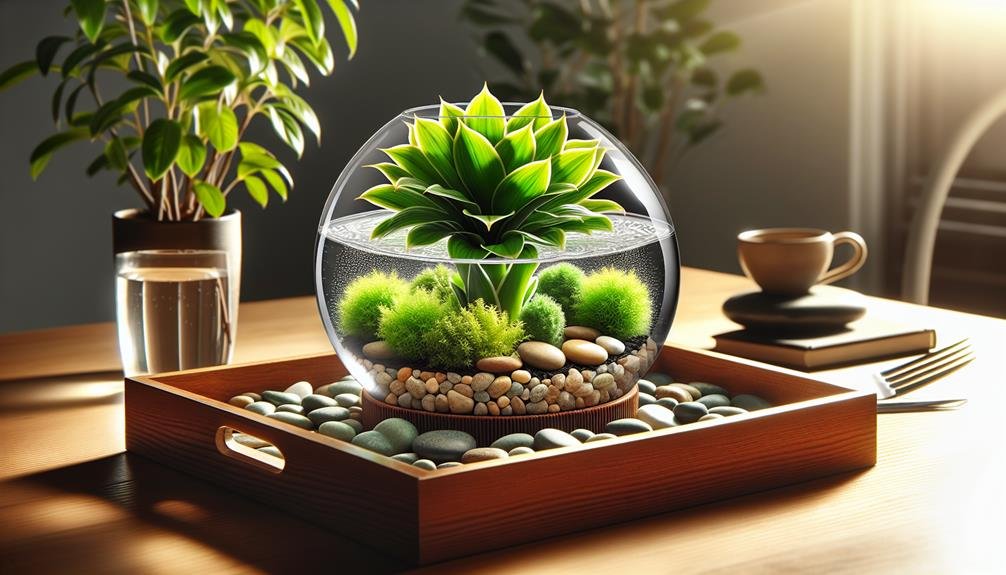
Moreover, humidity trays are easy to set up and require minimal maintenance. By placing pebbles or marbles in the tray and adding water below the surface level, you can create a humidity reservoir that benefits your plants without causing any mess or hassle. Overall, incorporating humidity trays into your indoor garden routine can make a significant difference in the health and vitality of your plants.
Choosing the Right Tray
To select the right tray for your plants, consider the size and material that would best suit your indoor garden needs. When choosing a humidity tray, ensure it fits underneath your plant's pot with enough space to catch excess water without overflowing. Opt for a tray that's slightly larger than the base of the pot to provide ample coverage.
The material of the tray is crucial for durability and aesthetics. Plastic trays are lightweight and easy to clean, making them a practical choice for most indoor plants. On the other hand, ceramic trays offer a more elegant look and can complement your decor while serving their purpose.
Additionally, consider the depth of the tray to prevent water from touching the bottom of the pot, which could lead to root rot. By selecting the right tray size and material, you can effectively maintain optimal humidity levels for your plants, promoting their overall health and growth.

Setting Up Your Tray
Prepare your chosen tray by ensuring it's clean and free of any debris before placing it underneath your plant's pot. A clean tray helps prevent mold or bacteria buildup, which could harm your plant. Once the tray is clean, fill it with a layer of small stones or pebbles. The stones will create a space for excess water to drain, preventing the plant's roots from sitting in standing water. Make sure the tray is large enough to accommodate the plant's pot without any overhang, as this could lead to water dripping onto surfaces below.
After setting up the tray, gently place your plant's pot on top of it. Ensure that the pot sits securely on the stones or pebbles without wobbling. The tray should be placed in a location that receives adequate light for your plant's specific needs. Now that your tray is set up, you're ready to monitor and adjust the humidity levels to promote optimal plant health.
Monitoring and Adjusting Humidity
After setting up your humidity tray, you can effectively monitor and adjust the humidity levels to ensure optimal plant health. To monitor humidity levels, consider using a hygrometer, a handy device that measures the amount of moisture in the air. Place the hygrometer near your plants to get an accurate reading of the humidity in their immediate environment. Ideally, most houseplants thrive in a humidity range of 50-60%. If your hygrometer shows levels outside this range, it's time to make adjustments.
To increase humidity, you can try a few simple methods. Misting your plants with water can provide a quick boost in humidity levels. Placing a bowl of water near the plants or using a humidifier in the room can also help raise humidity. On the other hand, if humidity levels are too high, improve air circulation by using a fan or slightly opening a window to lower the humidity.
Troubleshooting Common Issues
If you notice wilting leaves or browning edges on your plants, it may indicate common issues that need troubleshooting. One common problem is overwatering, which can lead to root rot and other fungal diseases. Make sure the pots have proper drainage and allow the soil to dry out slightly between waterings. On the other hand, if your plant's leaves are turning yellow and dropping, it might be a sign of underwatering. Check the soil moisture levels regularly and adjust your watering schedule accordingly.
Another issue could be pests infesting your plants. Common pests like spider mites, aphids, or mealybugs can cause damage to your plant's health. Regularly inspect the leaves and stems for any signs of pests, and if detected, treat them with appropriate insecticidal soap or neem oil.
Furthermore, inadequate light exposure can also result in problems like leggy growth or yellowing leaves. Ensure your plants are placed in areas where they receive sufficient light according to their specific requirements. By identifying and addressing these common issues promptly, you can help your plants thrive and maintain optimal health.
Frequently Asked Questions
Can Humidity Trays Be Used for All Types of Plants, or Are There Specific Plants That Benefit Most From Them?
Humidity trays can benefit a wide variety of plants by providing the extra moisture they need. Some plants, like ferns and orchids, particularly thrive with humidity trays due to their higher moisture requirements.
However, most plants can benefit from the added humidity, especially during dry seasons or in indoor environments with low moisture levels. Experimenting with humidity trays can help you determine which plants respond best to this method of increasing humidity levels.
How Often Should the Water in the Humidity Tray Be Replaced or Refreshed to Ensure Optimal Plant Health?
To keep your plants healthy, replace the water in the humidity tray every few days. This helps prevent stagnation and mold growth.
Optimal plant health is achieved when the water is fresh, providing the right amount of moisture to create a humid environment.
Are There Any Potential Risks or Drawbacks to Using Humidity Trays for Plants?
When using humidity trays for plants, potential risks or drawbacks to consider include overwatering, which could lead to root rot if not monitored carefully. Additionally, stagnant water in the tray can attract pests like fungus gnats.
Regularly checking the tray's water levels and ensuring proper drainage can help mitigate these risks. Remember to keep an eye on your plants' overall health and adjust tray usage as needed to promote optimal growth.
Can Humidity Trays Be Used in Conjunction With Other Methods of Increasing Humidity, Such as Misting or Humidifiers?
Yes, humidity trays can be used alongside other methods like misting or humidifiers to boost humidity levels for your plants. Combining these methods can create a more stable and consistent environment for your plant's health.
Remember to monitor the humidity levels to ensure they stay within the optimal range for your specific plant species. Experiment with different combinations to find what works best for your plants' needs.
Are There Any Specific Tips for Using Humidity Trays in Different Climates or Seasons to Maximize Their Effectiveness for Plant Health?
To maximize the effectiveness of humidity trays for plant health in different climates or seasons, consider placing them near heat sources in winter and away from direct sunlight in summer.
Ensure the trays are filled with water to create a humid microclimate around your plants.
Monitor humidity levels regularly and adjust water levels as needed.
With these tips, you can optimize the benefits of humidity trays for your plants throughout the year.
Conclusion
Overall, using humidity trays is a simple yet effective way to maximize plant health. By providing the right amount of moisture to your plants, you can help prevent issues like dryness and wilting.
Choosing the right tray, setting it up correctly, and monitoring humidity levels will ensure your plants thrive. Keep an eye out for any common issues and troubleshoot as needed to keep your plants happy and healthy.