Imagine the serene sight of lush, vibrant greenery adorning your living space, thriving in an environment that promotes growth and vitality. Humidity trays hold the key to unlocking the full potential of your plants, but how exactly can they revolutionize your plant care routine?
By exploring the benefits, plant varieties that thrive with this method, and essential maintenance tips, you'll uncover the secrets to cultivating a green oasis within your home. Let's delve into the world of humidity trays and discover the transformative effects they can have on your plant's well-being.
Benefits of Using Humidity Trays
By using humidity trays, you can significantly improve the overall health and vitality of your plants. These trays act as a simple yet effective way to increase the moisture levels around your plants, creating a more humid environment that many plants thrive in. The added moisture helps prevent issues such as dry, crispy leaves and promotes lush, green growth.
Furthermore, humidity trays can be particularly beneficial for plants that require higher levels of humidity, such as tropical plants like ferns, orchids, or calatheas. These plants often struggle in dry indoor environments but can flourish when placed on humidity trays. The trays help mimic their natural habitat and provide the ideal conditions for them to grow and thrive.
In addition to improving plant health, humidity trays also offer a practical solution for maintaining consistent moisture levels without the need for constant watering. By using humidity trays, you can simplify plant care routines and ensure that your plants receive the moisture they need to stay healthy and vibrant.
Types of Plants That Benefit
To maximize the benefits of humidity trays, consider the specific types of plants that thrive in the increased moisture levels they provide. Tropical plants like orchids, ferns, and bromeliads are ideal candidates for humidity trays. These plants are native to humid environments and benefit greatly from the extra moisture provided by the trays. Air plants, such as Tillandsia, also thrive in high humidity levels and can flourish when placed on humidity trays.
In addition to tropical plants, certain herbs like basil, mint, and cilantro can benefit from humidity trays as well. These herbs prefer a more humid environment and can grow healthier and more vibrant when placed on trays filled with water. Succulents and cacti, on the other hand, don't typically require high humidity levels and may not benefit as much from humidity trays. It's essential to choose plants that naturally thrive in humid conditions to make the most of humidity trays and promote optimal plant health.
How to Set Up Humidity Trays
Setting up humidity trays is a straightforward process that can greatly benefit your plants' health and growth.
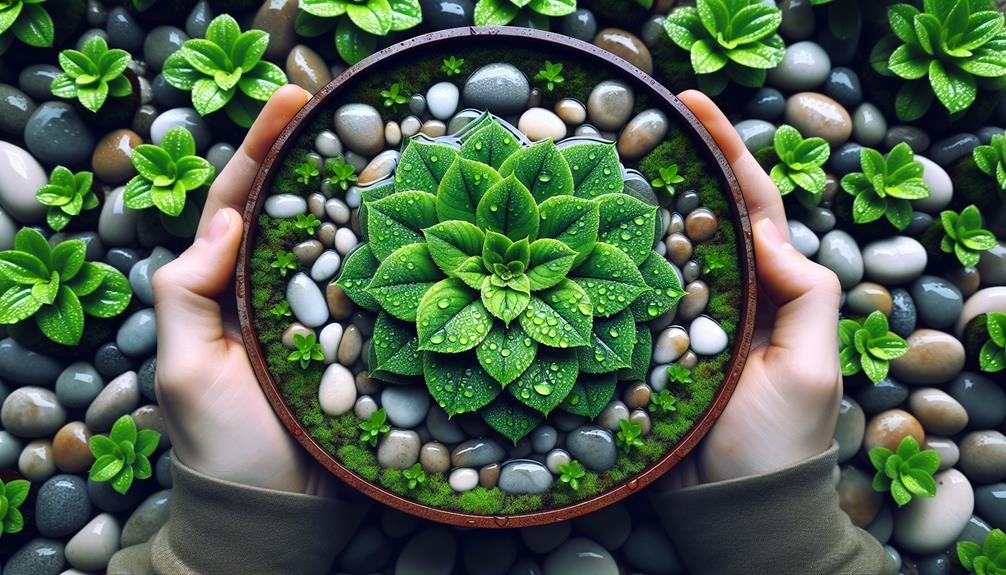
To begin, select trays that are slightly larger than the plant's pot and have raised ridges or supports to elevate the plant above the water. Fill the trays with small rocks or pebbles, ensuring they're level to provide a stable base for the plant. Add water to the trays, making sure that the water level stays below the top of the pebbles; this prevents the plant's roots from sitting in water and potentially rotting.
Once the trays are set up, place your potted plants on top of the rocks, ensuring that the bottom of the pots doesn't touch the water. Position the trays in an area with indirect sunlight to prevent excessive evaporation.

Monitor the water levels regularly and top up as needed to maintain adequate humidity around your plants. With these simple steps, you can create an optimal environment for your plants to thrive.
Maintenance Tips for Optimal Health
Maintain the health of your plants by regularly checking the water levels in the trays and adjusting as necessary to provide optimal humidity levels. Consistent monitoring is key to ensuring that your plants receive the right amount of moisture.
Refill the trays with water when levels are low to keep humidity consistent. Be mindful not to let the trays completely dry out, as this can lead to stress on your plants.
Additionally, periodically clean the trays to prevent the buildup of algae or mineral deposits, which can negatively impact plant health. Use a mild soap or vinegar solution to scrub the trays gently, then rinse thoroughly before refilling with fresh water. Remember to place the trays back under your plants promptly to maintain humidity levels.
Troubleshooting Common Issues
Experiencing yellowing leaves or wilting stems? These common issues can often be traced back to improper humidity levels or inadequate drainage in your plant's environment. If you notice your plant's leaves turning yellow, it may indicate overwatering or a lack of nutrients. Ensure that your plant isn't sitting in excess water and adjust your watering schedule accordingly. Wilting stems, on the other hand, are typically a sign of underwatering or low humidity levels. Consider misting the leaves or using a humidity tray to increase moisture around the plant.
Another frequent problem is the presence of pests such as spider mites or fungus gnats. Check the undersides of leaves for tiny webs or flying insects. To address this issue, gently wipe the leaves with a damp cloth or introduce natural predators like ladybugs to combat the pests.
If your plant continues to struggle, it might be a sign of root rot caused by waterlogged soil. Repotting your plant in fresh, well-draining soil can help revive its health. By troubleshooting these common issues promptly, you can ensure your plant thrives in its environment.
Frequently Asked Questions
Can Humidity Trays Be Used for All Types of Indoor Plants, or Are There Certain Plants That Should Not Be Placed on Them?
Humidity trays can benefit many indoor plants, but not all types will thrive on them. Some plants, like succulents and cacti, prefer drier conditions and may suffer from excess moisture provided by humidity trays.
It's important to research your specific plant's needs before using a humidity tray. Always monitor your plant's health and adjust care accordingly to ensure it thrives in its environment.
Are There Any Specific Materials That Should Be Avoided When Choosing a Humidity Tray for Plants?
When choosing a humidity tray for your plants, it's essential to consider the materials used. Avoid those that may harm your plants or leach harmful chemicals into the soil.
Stay away from trays made of untreated wood, as they can rot and mold easily. Plastic trays are a popular choice due to their durability and ease of cleaning, but ensure they're BPA-free.
Metal trays, while sturdy, can rust and potentially contaminate the soil. Always prioritize the health of your plants when selecting a humidity tray.
How Often Should Water Be Added to the Humidity Tray to Maintain Optimal Humidity Levels for Plants?
To maintain optimal humidity levels for plants, add water to the humidity tray as needed. Monitor the tray regularly and refill it when the water has evaporated.
Keeping the tray consistently filled will help create a humid environment that benefits your plants. Remember to adjust the watering frequency based on the specific needs of your plants and the surrounding conditions.
Can Humidity Trays Be Used in Conjunction With Other Methods of Increasing Humidity, Such as Misting or Using a Humidifier?
Yes, you can use humidity trays in conjunction with other methods like misting or humidifiers to boost plant humidity. These methods work well together, providing plants with consistent moisture levels.
Utilizing a combination allows for more precise control and flexibility in adjusting humidity levels. Remember to monitor the plants closely to ensure they're responding positively to the increased humidity from the various methods you're using.
Are There Any Potential Risks or Drawbacks to Using Humidity Trays for Plant Health That Should Be Considered Before Implementing Them?
Before diving into potential risks or drawbacks of using humidity trays for plant health, it's important to recognize their benefits first.
However, keep in mind that stagnant water in trays can lead to root rot if not managed properly. To mitigate this risk, ensure proper drainage and monitor moisture levels regularly.
Conclusion
By utilizing humidity trays, you can create the ideal environment for your plants to thrive.
With the right setup and maintenance, you can maximize plant health and growth.
Remember to choose plants that benefit from increased humidity, set up the trays properly, and monitor them regularly.
With a little effort, you can enjoy healthy and vibrant plants in your home or garden.