
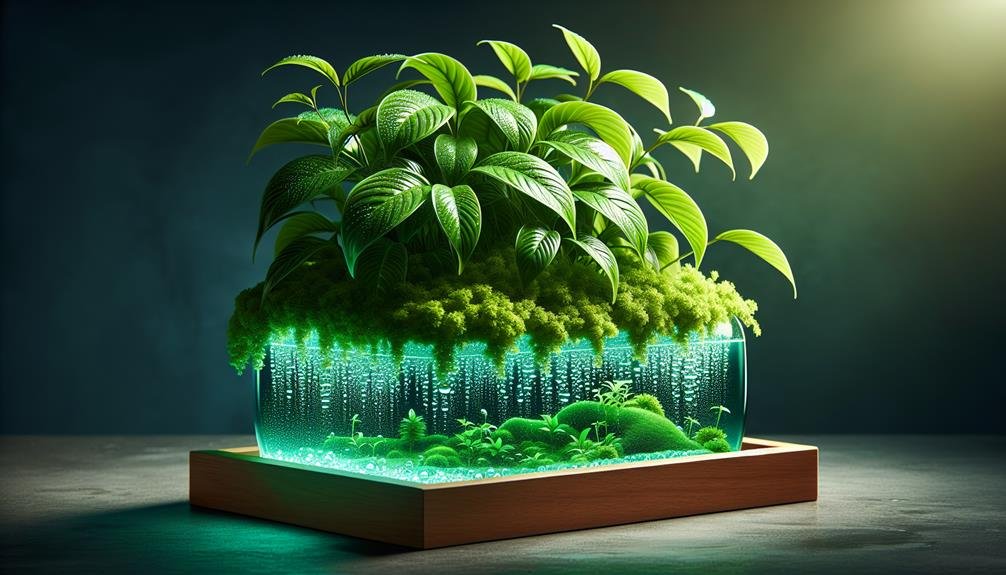
Boosting your plants' growth to new heights is not just a dream anymore—discover the secret weapon that can revolutionize your gardening game.
Unveiling the potential of a humidity tray might be the missing puzzle piece you've been searching for to achieve lush and thriving greenery.
Uncover the power of this simple yet effective method in fostering optimal conditions for your plants to flourish.
Benefits of Using a Humidity Tray
Why should you consider using a humidity tray for your plants?
A humidity tray can be a game-changer for your plant care routine. By increasing the moisture levels around your plants, a humidity tray helps create a more favorable environment for them to thrive. This is particularly beneficial for plants that require higher humidity levels, such as tropical plants like orchids or ferns.
Not only does a humidity tray benefit your plants, but it can also benefit you. By maintaining proper moisture levels, a humidity tray can reduce the frequency of watering needed for your plants. This can be especially helpful if you have a busy schedule or tend to forget to water your plants regularly. Additionally, a humidity tray can help prevent issues like leaf browning or wilting that are often caused by dry indoor air.
How to Set Up a Humidity Tray
To properly set up a humidity tray, begin by selecting a tray that's slightly larger than the base of your plant pot. This will allow space for the water to sit below the pot without touching the bottom.
Fill the tray with small stones or pebbles, ensuring they're evenly spread out. The stones will support the plant pot above the water, creating a humid environment around the plant.
Once the stones are in place, add water to the tray, making sure the level is just below the surface of the stones. Avoid overfilling, as you don't want the water to touch the bottom of the pot. Check the tray regularly and top up the water when needed to maintain the humidity levels.
Remember to clean the tray and stones periodically to prevent the build-up of algae or mold. Additionally, keep an eye on the humidity levels around your plant to ensure it's thriving in its new environment.

Selecting the Right Plants
When choosing plants for your humidity tray, consider selecting species that thrive in moist environments. Plants like ferns, peace lilies, and orchids are excellent choices as they naturally prefer higher humidity levels. These plants will benefit the most from the added moisture provided by the humidity tray, promoting healthier growth and vibrant foliage.
Ferns, known for their lush and feathery fronds, are particularly well-suited for humid conditions. Their foliage will appear more vibrant and lush when placed on a humidity tray. Peace lilies, with their elegant white blooms and glossy green leaves, also thrive in high humidity environments. The added moisture from the humidity tray will help them flourish and bloom more abundantly.
Orchids, prized for their stunning flowers and delicate beauty, are another great option for a humidity tray. These plants require high humidity to thrive, making them a perfect choice for this setup. By selecting plants that naturally thrive in moist environments, you can ensure that your humidity tray will be most effective in enhancing plant growth.
Monitoring and Adjusting Humidity Levels
Monitoring and adjusting humidity levels is essential for maintaining optimal growing conditions for your plants on the humidity tray. To ensure your plants thrive, regularly check the humidity levels using a hygrometer. The ideal humidity range for most plants is between 50% to 60%. If the humidity levels are too low, consider placing a small humidifier near the plants or misting them regularly. On the other hand, if the humidity is too high, increase airflow around the plants by using a fan or partially opening a nearby window.
Keep a close eye on your plants for any signs of distress, such as wilting leaves or browning tips, as these could indicate humidity levels that are off-balance. Adjust the humidity levels accordingly to provide a comfortable environment for your plants. Remember that different plant species may have varying humidity preferences, so it's essential to research the specific needs of each plant on your humidity tray. By actively monitoring and adjusting humidity levels, you can create an ideal growing environment that promotes healthy plant growth.
Troubleshooting Common Issues
Keeping a vigilant eye on your plants' condition can help you identify and address common issues that may arise.
One common problem you might encounter is mold growth on the soil surface or tray. This can happen if the humidity levels are too high and air circulation is poor. To remedy this, reduce the frequency of watering and increase airflow around the plants.
Another issue to watch out for is yellowing or browning leaves, which could indicate overwatering or underwatering. Adjust your watering schedule accordingly to help your plants thrive.
Wilting or drooping foliage may signal that the humidity levels are too low, so consider misting your plants more often or placing a humidifier nearby.
If you notice pests like fungus gnats or mold mites, try using natural remedies like neem oil or sticky traps to control the infestation.
Frequently Asked Questions
Can You Use a Humidity Tray for All Types of Plants, or Are There Specific Types That Benefit the Most?
You can use a humidity tray for most types of plants, but some benefit more than others. Plants that thrive in humid environments, like ferns and orchids, will see the most improvement.
The tray works by creating a microclimate of moisture around the plant, mimicking its natural habitat. This extra humidity can help prevent wilting, promote healthy growth, and even deter pests.
How Often Should You Refill the Water in the Humidity Tray to Maintain Optimal Humidity Levels?
To maintain optimal humidity levels in your humidity tray, you should refill the water regularly. Check the tray daily and add water as needed to keep the humidity levels stable for your plants.
Are There Any Potential Drawbacks or Risks Associated With Using a Humidity Tray for Plant Growth?
When using a humidity tray for plant growth, there are potential drawbacks to consider.
Overfilling the tray can lead to root rot, while underfilling can result in inadequate humidity levels. Additionally, stagnant water in the tray can attract pests or mold.
It's essential to monitor and adjust water levels regularly to avoid these risks. Proper maintenance and care will help you reap the benefits of using a humidity tray for your plants.
Can You Use Tap Water in the Humidity Tray, or Is It Better to Use Distilled or Filtered Water?
You can use tap water in the humidity tray, but it's better to use distilled or filtered water for healthier plant growth. Tap water may contain minerals and chemicals that could potentially harm your plants over time.
Opting for distilled or filtered water ensures that your plants receive pure hydration without any unwanted substances that could negatively impact their growth. It's a simple adjustment that can make a big difference in your plant's well-being.
How Does a Humidity Tray Differ From Other Methods of Increasing Humidity for Plants, Such as Misting or Using a Humidifier?
A humidity tray differs from misting or using a humidifier because it provides a localized source of moisture directly under the plant, creating a microclimate of higher humidity. This method helps prevent water from accumulating on plant leaves, reducing the risk of mold or mildew.
Unlike misting, which can be inconsistent and time-consuming, a humidity tray offers a more stable and long-lasting solution to maintain optimal moisture levels for your plant's growth.
Conclusion
By utilizing a humidity tray, you can enhance the growth of your plants and create a more optimal environment for them to thrive.
Remember to choose the right plants, monitor and adjust humidity levels accordingly, and troubleshoot any issues that may arise.
With a little bit of effort and care, you can enjoy healthy, vibrant plants in your home or garden. Happy growing!



