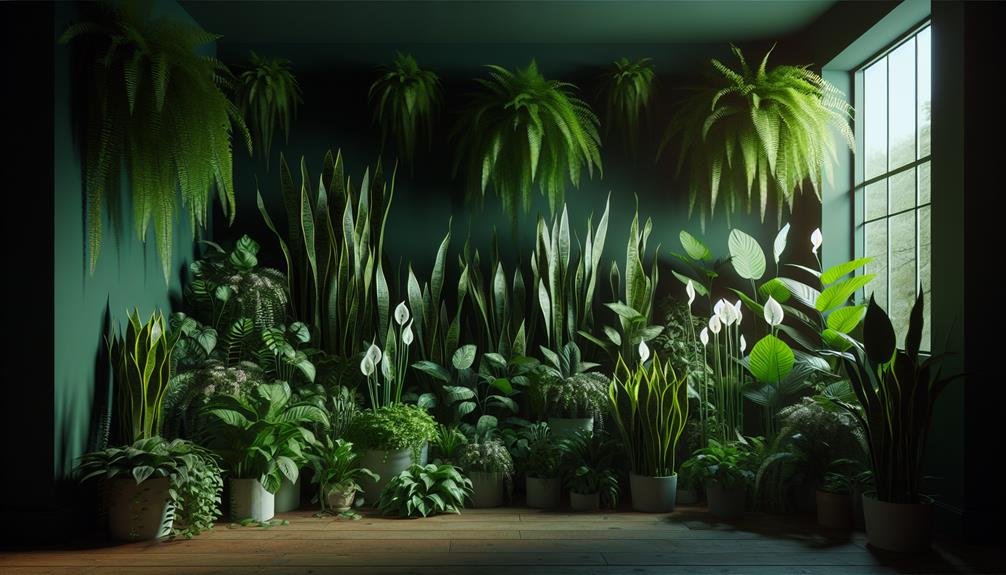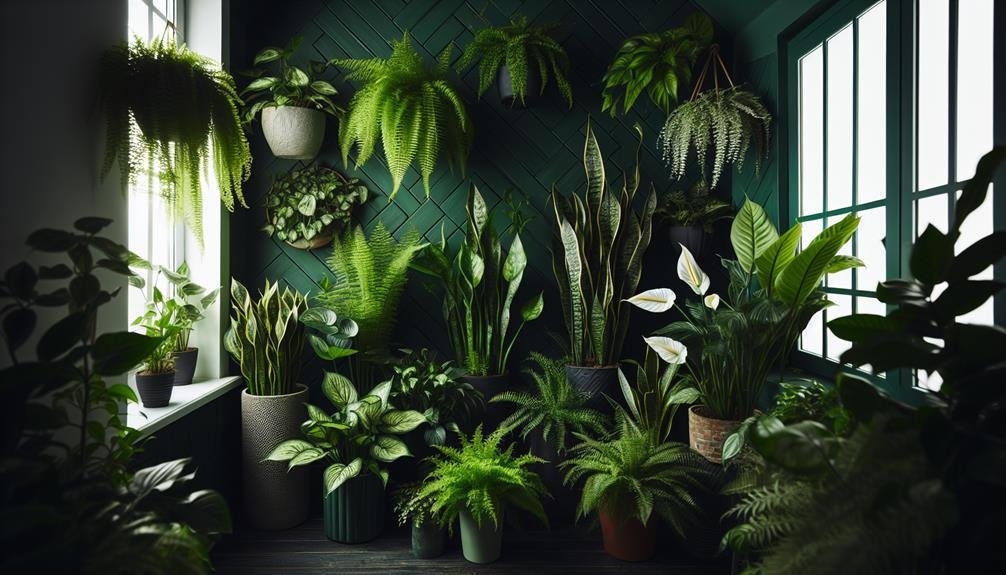
Get growing with a green thumb and get ready to see your space transform with tantalizingly tailored plant pots.
But why bother getting creative with DIY plant potting? Well, imagine adding a touch of personality to your plant setup that goes beyond just aesthetics.
Stay tuned to discover the benefits that stretch far beyond mere decoration.
Benefits of DIY Plant Potting
By potting your plants yourself, you can personalize their containers to match your unique style and preferences. This personal touch allows you to express your creativity and enhance the overall aesthetic of your living space. Not only does it add a decorative element, but it also creates a sense of ownership and pride in caring for your plants.
Another benefit of DIY plant potting is the ability to choose the perfect size and shape of the container for each plant. This customization ensures that your plants have adequate space to grow and thrive. Additionally, you can select materials that suit the specific needs of different plants, such as porous terracotta for succulents or self-watering pots for moisture-loving plants.
DIY potting also enables you to control the quality of the soil and drainage, crucial factors in plant health. You can tailor the soil mix to suit the requirements of each plant species and adjust the drainage holes to prevent waterlogging. This hands-on approach allows you to optimize growing conditions and promote the well-being of your beloved plants.
Personalization Through Creative Pot Designs
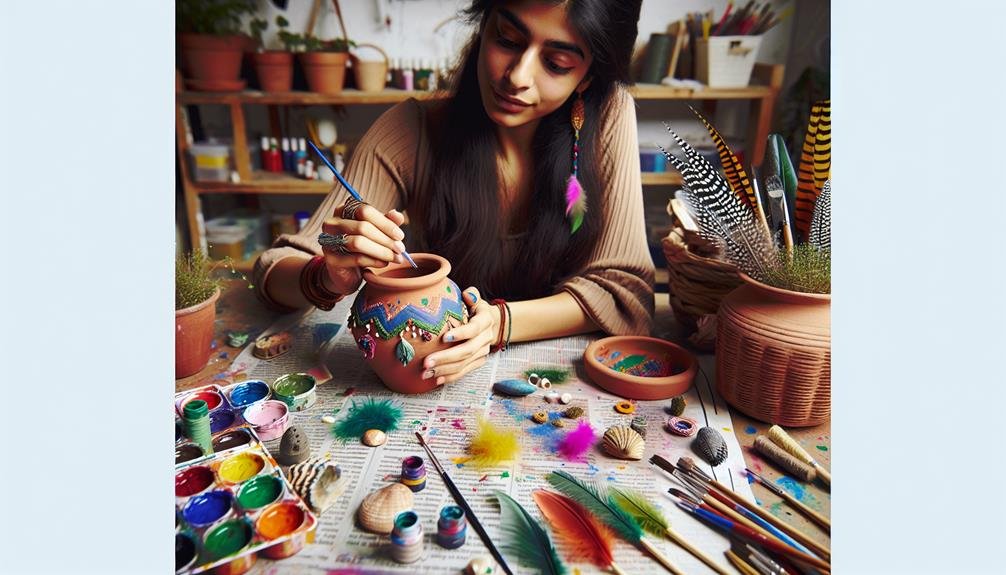
When exploring creative pot designs, your imagination can truly flourish as you infuse your unique style into the containers for your plants. Personalizing your plant pots allows you to showcase your personality and creativity while adding a special touch to your home decor. There are numerous ways to get creative with pot designs – you can paint them in vibrant colors, add intricate patterns, or even apply stickers or decals for a fun twist.
Experimenting with different materials such as clay, terracotta, ceramic, or even recycled items like tin cans or mason jars can further enhance the personalized look of your plant pots. You can also try your hand at creating mosaic designs, using pebbles or broken tiles to craft unique patterns that will make your pots stand out.
Cost-Effective Gardening Solution
Looking to garden on a budget? DIY plant potting offers a cost-effective solution for your gardening needs. Instead of purchasing expensive pots from stores, you can repurpose items around your home to create unique plant containers. Look for old jars, tin cans, or even wooden crates that can be transformed into charming pots with a bit of creativity and paint. Not only does this save you money, but it also adds a personal touch to your garden.
Moreover, opting for cost-effective gardening solutions doesn't mean compromising on quality. By using materials you already have or can find at a low cost, you can still provide your plants with the care they need to thrive. Upcycling containers not only helps you save money but also reduces waste by giving new life to items that would have otherwise been discarded.

Eco-Friendly Approach to Plant Care
Taking an eco-conscious stance in your plant care routine can significantly benefit both your plants and the environment. By opting for eco-friendly practices, such as using organic fertilizers and composting kitchen scraps for plant nutrients, you can create a healthier growing environment for your plants while reducing waste and chemical runoff that can harm the ecosystem.
Choosing to repurpose household items as plant pots or investing in biodegradable pots made from materials like coconut coir or rice husks can also decrease your carbon footprint and minimize plastic waste. Additionally, collecting rainwater for watering your plants instead of using tap water can conserve water resources and reduce energy consumption associated with water treatment and distribution.
Embracing sustainable plant care practices not only fosters healthier plant growth but also contributes to a greener, more environmentally friendly lifestyle that benefits both you and the planet.
Therapeutic Effects of Crafting Plant Pots
Crafting plant pots not only enhances your creativity but also provides therapeutic benefits for your well-being and mental health. Engaging in the process of making plant pots can offer a calming effect, allowing you to focus your mind on the task at hand and temporarily escape from daily stressors. The act of molding and shaping the clay or decorating the pot can be a meditative experience, promoting mindfulness and reducing anxiety levels.
Moreover, seeing your creative efforts come to life as a tangible, functional item can boost your sense of accomplishment and self-esteem. The satisfaction derived from completing a plant pot can contribute to a positive mood and a sense of fulfillment. As you immerse yourself in the creative process, your mind can experience a break from overthinking or worrying, leading to a state of relaxation and mental rejuvenation.
In essence, crafting plant pots can serve as a therapeutic outlet, allowing you to unwind, express yourself artistically, and reap the mental health benefits of engaging in a hands-on, creative activity.
Frequently Asked Questions
How Do I Know Which Plants Are Best Suited for DIY Plant Potting?
To know which plants are best suited for DIY plant potting, consider factors like light levels, water requirements, and plant size. Research each plant's specific needs to ensure they thrive in your homemade pots.
Succulents, herbs, and small houseplants are often good choices for beginners. Experiment with different plants to find what works best for you and your home environment.
Enjoy the process of potting and watching your plants grow!
Are There Any Specific Tools or Materials I Need to Get Started With DIY Plant Potting?
To get started with DIY plant potting, you'll need basic tools like a trowel, pruning shears, and a watering can. Materials such as potting soil, pots of your choice, and plants that suit your space are essential.
Consider adding pebbles or activated charcoal for drainage. With these tools and materials, you can create unique plant arrangements that reflect your style and bring life to your space.
Can I Use Any Type of Soil for My DIY Plant Potting Projects?
You can use various types of soil for your DIY plant potting projects. Consider factors like drainage, aeration, and nutrient content when choosing soil.
Opt for well-draining mixes for succulents and cacti, while moisture-retaining soil is suitable for ferns and tropical plants. Mixtures with perlite, peat moss, or vermiculite can enhance soil quality.
Experiment with different soil compositions to find what works best for your plants' needs.
How Often Should I Repot My Plants When Using DIY Plant Pots?
When using DIY plant pots, you should repot your plants every 1-2 years. This allows the roots to have enough space to grow and access fresh nutrients. Signs that it's time to repot include roots coming out of drainage holes or the plant becoming root-bound.
Repotting can help your plants thrive and stay healthy in their new homes. Remember to choose the right size pot and soil to support your plant's growth.
Are There Any Special Considerations for Watering Plants in DIY Plant Pots Compared to Store-Bought Pots?
When watering plants in DIY pots versus store-bought ones, consider drainage. Ensure your DIY pot has enough holes to prevent waterlogging and root rot. Test the soil moisture before watering to avoid overwatering.
DIY pots may dry out faster, so monitor the soil regularly. Remember, proper drainage is key to maintaining healthy plants in any type of pot.
Conclusion
In conclusion, getting creative with DIY plant potting offers a range of benefits, from personalization and cost-effectiveness to eco-friendliness and therapeutic effects.
By crafting your own plant pots, you can add a unique touch to your green space while also enjoying the satisfaction of creating something with your own hands.
So why not give it a try and see the positive impact it can have on your gardening experience?