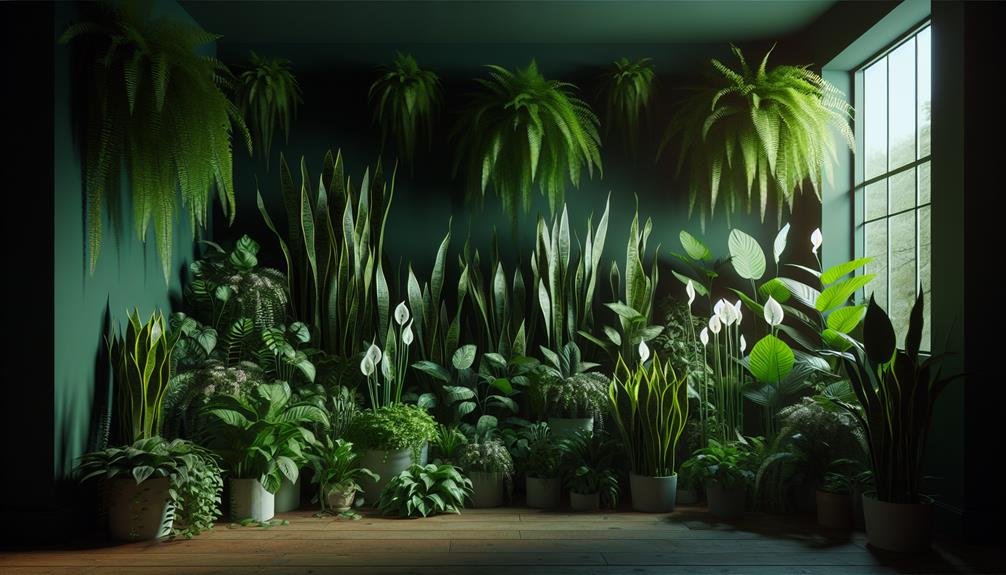
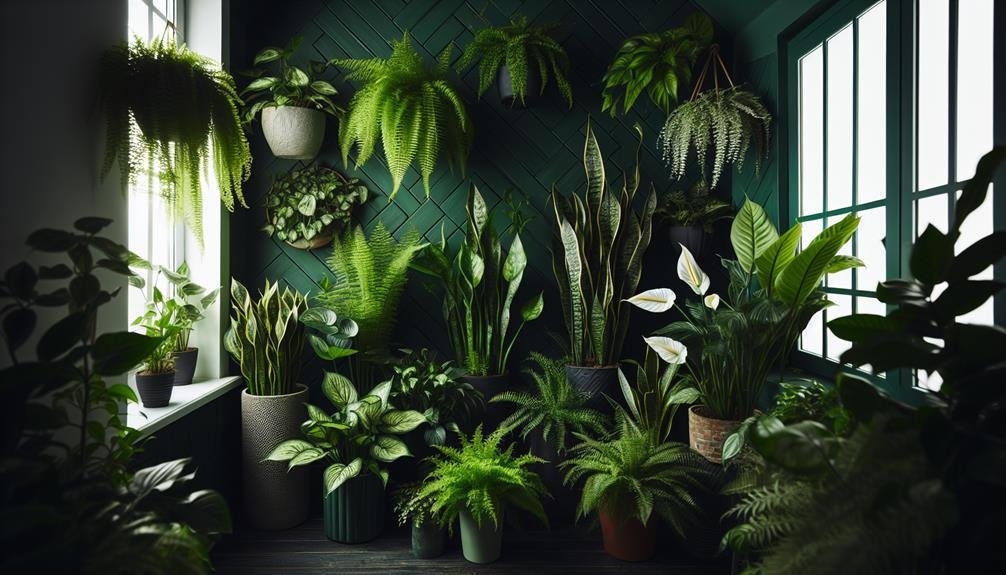
Step into the world of DIY plant potting and let your creativity bloom like a well-tended garden.
From painted terracotta pots to hanging kokedama balls, there are countless ways to elevate your houseplants' homes.
Let's explore how these unique ideas can add a touch of personality to your indoor jungle, turning each potting project into a form of self-expression that both you and your plants will appreciate.
Painted Terracotta Pots
If you're looking to add a pop of color to your houseplants, consider painting terracotta pots for a creative touch. It's a simple and fun DIY project that can completely transform the look of your indoor garden.
Start by gathering terracotta pots in various sizes, some acrylic paints, paintbrushes, and a sealer if you plan to place the pots outdoors.
Before you begin painting, make sure the pots are clean and dry. You can either paint the entire surface in a solid color for a modern look or get artistic by creating patterns, geometric designs, or even ombre effects. Let your creativity shine as you mix and match colors to suit your style and home decor.
Once you've finished painting, allow the pots to dry completely before applying a sealer to protect the paint from chipping or fading. After the sealer has dried, fill the pots with your favorite houseplants and proudly display your personalized creations throughout your living space.
Painting terracotta pots is a budget-friendly way to add personality and charm to your indoor garden.
Macrame Plant Hangers
To complement your painted terracotta pots and elevate the visual appeal of your houseplants, consider incorporating Macrame Plant Hangers for a stylish and bohemian touch. Macrame plant hangers are a trendy and practical way to display your beloved greenery. These hangers are typically made from knotted cords in various designs, adding a touch of elegance to any room.
One of the great advantages of using macrame plant hangers is that they save space, allowing you to hang your plants from the ceiling or on hooks attached to walls. This not only adds a decorative element but also keeps your plants out of reach from pets or small children. Additionally, macrame plant hangers come in different lengths and styles, making it easy to find the perfect fit for your space.

Whether you have trailing vines, lush ferns, or blooming flowers, macrame plant hangers can showcase your plants beautifully while adding a touch of personality to your home decor. So, why not give your houseplants a stylish lift with these charming hangers?
Succulent Teacup Gardens
For a whimsical and space-saving way to display your succulents, consider creating charming Succulent Teacup Gardens. These adorable mini gardens bring a touch of enchantment to any space, whether it's a small apartment or a cozy corner in your home. To make your Succulent Teacup Garden, start by selecting teacups or small mugs with drainage holes at the bottom to ensure proper water flow for your succulents.
Next, fill the cups with a well-draining succulent potting mix, leaving enough space at the top for your plants. Carefully remove your chosen succulents from their original pots, gently loosen the roots, and plant them in the teacups. You can mix and match different succulent varieties to create a visually appealing arrangement.
Place your Succulent Teacup Garden in a bright area with indirect sunlight and water sparingly, allowing the soil to dry out between waterings. These charming teacup gardens not only add a pop of greenery to your space but also make for delightful gifts for friends and family. Try making a few of these miniature gardens to brighten up various spots in your home!
Geometric Patterned Planters
Geometric patterned planters add a modern and stylish touch to your indoor plant display, elevating the aesthetic appeal of your living space. These planters come in various shapes such as triangles, hexagons, or diamonds, offering a contemporary look that complements both minimalist and eclectic home decor styles. You can easily create your own geometric planters using materials like concrete, clay, or even wood.
To make a geometric planter, start by choosing a shape that appeals to you and fits your plant's needs. Then, use molds or templates to shape the material accordingly. Once the planter is formed and has dried or set, you can paint it in vibrant colors or monochromatic tones to match your interior design scheme.
Geometric planters are perfect for showcasing succulents, air plants, or small leafy greens. They bring a touch of sophistication to any room and make for eye-catching focal points on shelves, desks, or windowsills. With their clean lines and contemporary flair, geometric patterned planters are sure to impress your guests and elevate the overall look of your space.
Vintage Tin Can Planters
Adding a touch of vintage charm to your indoor plant collection, consider exploring the creative world of repurposing with Vintage Tin Can Planters. Transforming ordinary tin cans into unique plant pots is a fun and eco-friendly way to showcase your greenery. Start by collecting old tin cans of various sizes and designs, ensuring they're thoroughly cleaned and free of sharp edges.
To give these tin cans a new life, you can paint them in rustic colors or leave them with their original distressed look for added character. Get creative with embellishments like jute twine, lace ribbons, or vintage buttons to enhance the nostalgic appeal of these planters. Remember to drill drainage holes at the bottom of the cans to prevent waterlogging and ensure the health of your plants.
Vintage Tin Can Planters can be displayed individually or grouped together for a charming eclectic look. These plant pots not only add a touch of nostalgia to your space but also serve as a conversation starter for guests admiring your green thumb and creative flair.
Mosaic Tile Pot Covers
Enhance the visual appeal of your houseplants with the vibrant charm of Mosaic Tile Pot Covers. Adding mosaic tile pot covers to your planters is a creative way to bring color and texture to your indoor garden. This DIY project isn't only fun but also a great way to personalize your plant pots.
To start, gather an assortment of colorful mosaic tiles, a plain terracotta pot, tile adhesive, grout, and a sponge. Begin by applying the tile adhesive to the pot's surface in small sections. Press the mosaic tiles onto the adhesive in a pattern of your choice, ensuring they're firmly in place. Once the adhesive has dried, fill in the gaps between the tiles with grout using a sponge to create a smooth finish.
The beauty of mosaic tile pot covers is that you can customize them to match your decor or create eye-catching designs. Whether you opt for a symmetrical pattern or a random mosaic, these pot covers will add a touch of artistic flair to your indoor plant display.
Fabric Wrapped Plant Pots
To give your plant pots a charming and textured makeover, consider wrapping them in fabric for a cozy and stylish touch. Fabric-wrapped plant pots add a warm and personalized feel to your indoor garden. This DIY project is simple and allows you to customize your pots to match your decor or add a pop of color to any room.
To get started, choose a fabric that complements your style and the aesthetic you want to achieve. Cut the fabric to size, leaving extra on all sides to ensure full coverage. Use a strong adhesive or double-sided tape to secure the fabric around the pot, smoothing out any wrinkles as you go. For a more secure hold, consider using a clear sealant over the fabric once it's wrapped around the pot.
Fabric-wrapped plant pots are a creative way to elevate your plant display and showcase your personality. Experiment with different fabrics, patterns, and textures to create a unique look that will brighten up your space.
Hanging Kokedama Balls
Consider crafting unique hanging kokedama balls to add a touch of nature and creativity to your indoor space.
Kokedama, meaning 'moss ball' in Japanese, is a form of bonsai that involves wrapping a plant's roots in moss and suspending it. To make your own kokedama, start by mixing soil and clay to form a ball around the plant's roots, then cover it with moss and twine. Hang these charming creations from the ceiling using decorative hooks or place them on a stylish plant stand to elevate your greenery display.
Kokedama balls are versatile and can be made with various houseplants like ferns, ivies, or even flowering plants. They not only bring a unique aesthetic to your home but also serve as a great conversation piece. These hanging plant arrangements are perfect for small spaces where floor or counter space is limited. Get creative with different plant combinations, sizes, and heights to design a stunning hanging garden that will breathe life into any room.
Marbled Clay Pot Designs
Crafting marbled clay pot designs is a stylish way to showcase your houseplants and add a touch of artistic flair to your indoor gardening endeavors. To create these eye-catching pots, start by choosing complementary clay colors that will blend well together. Roll out each clay color into long strips and then twist them together to create a marbled effect. Carefully wrap this marbled clay around a basic terracotta pot, smoothing out any air bubbles or creases as you go. Once the clay has dried and hardened, your marbled clay pot will be ready for your favorite houseplant.
The beauty of marbled clay pot designs lies in their unique patterns and color combinations, making each pot a one-of-a-kind piece of art. These pots work well with a variety of houseplants, from lush greenery to colorful blooms, enhancing the overall aesthetic of your indoor space. Whether you choose subtle pastel marbles or bold, vibrant swirls, these pots are sure to become a focal point in your home decor. So, unleash your creativity and experiment with different clay colors and patterns to create stunning marbled clay pot designs for your beloved houseplants.
Wooden Crate Plant Displays
Enhance your indoor gardening space with creative wooden crate plant displays that bring a rustic charm to your houseplants. Wooden crates can be repurposed into unique planters, adding a touch of natural elegance to your home decor.
To create a wooden crate plant display, start by lining the crate with a plastic sheet or burlap to prevent water damage. Then, fill it with well-draining soil and plant your favorite houseplants. You can mix different plant varieties to create a visually appealing arrangement or focus on a single type for a more uniform look.
Place the wooden crate plant display near a sunny window to ensure your plants receive adequate light. Remember to water your plants according to their specific needs and monitor their growth regularly.
Wooden crate plant displays not only elevate the aesthetic of your indoor garden but also provide a sustainable and eco-friendly way to showcase your beloved plants.
Frequently Asked Questions
Can I Use Regular Acrylic Paint for Painting Terracotta Pots, or Do I Need a Specific Type of Paint?
You can use regular acrylic paint for painting terracotta pots. It adheres well to the porous surface of the pot and offers a wide range of color options.
However, for best results, consider sealing the painted pot with a waterproof sealant to protect it from moisture and fading.
Get creative with your designs and have fun personalizing your plant pots to suit your style and home decor!
How Often Should I Water Succulent Teacup Gardens Compared to Regular Succulent Pots?
When caring for succulent teacup gardens, water less frequently than regular succulent pots. Teacups have limited drainage and soil capacity which can lead to waterlogged roots. Wait until the soil is completely dry before watering again.
Regular succulent pots typically need more water due to their larger size and better drainage. Monitor the moisture level in both, but be cautious not to overwater the teacup gardens.
Are There Any Specific Care Instructions for Plants in Geometric Patterned Planters?
When caring for plants in geometric patterned planters, ensure they have proper drainage to avoid waterlogging. Check the soil moisture regularly by inserting your finger into the soil; water only when the top inch is dry.
Rotate the planter occasionally to promote even growth. Monitor plant growth and adjust sunlight exposure accordingly. Clean the planter gently to maintain its appearance.
Following these steps will help your plants thrive in geometric planters.
Can Vintage Tin Can Planters Be Used Outdoors, or Are They Better Suited for Indoor Use?
Vintage tin can planters can add a unique touch to your outdoor space. They're versatile and can be used both indoors and outdoors.
However, it's essential to consider the material of the tin can and its ability to withstand outdoor elements.
To protect the tin from rusting, you may want to apply a sealant or keep the planters in a covered area to prolong their lifespan and maintain their aesthetic appeal.
How Do I Prevent Fabric Wrapped Plant Pots From Getting Dirty or Stained Over Time?
To keep fabric-wrapped plant pots clean and stain-free over time, you can apply a protective coating like a clear sealant or waterproof spray. This will help repel dirt and liquids, making it easier to wipe off any spills or dust.
Additionally, consider placing a saucer or liner inside the pot to catch excess water and prevent it from seeping through the fabric. These simple steps will help maintain the beauty of your plant pots.
Conclusion
Get creative with your plant potting and add a personal touch to your houseplants. From painted terracotta pots to hanging kokedama balls, there are endless DIY ideas to showcase your green thumb.
Experiment with different materials and designs to create a unique and stylish display for your indoor garden. Let your imagination run wild and have fun potting your plants in a way that reflects your personality and style.
Happy potting!