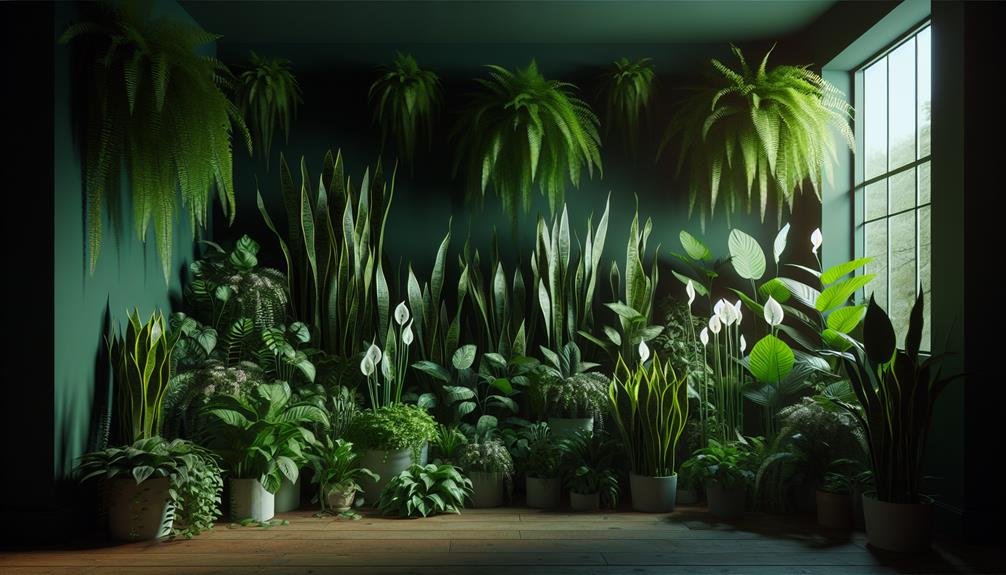
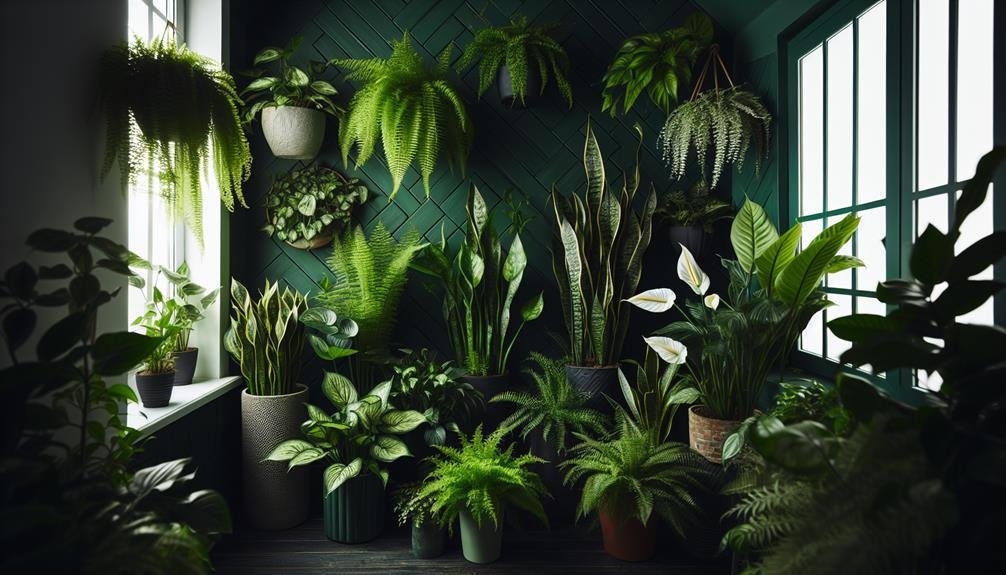
When it comes to creating a healthier indoor environment, having the right plants can make all the difference. Imagine having your own little green air purifiers silently working away, removing toxins from your living space.
But which plants are truly the champions of air purification? Let's explore the top 3 indoor plants known for their exceptional ability to cleanse the air you breathe.
Snake Plant
When considering indoor plants for air purification, the Snake Plant stands out for its low maintenance and effective filtering capabilities. Also known as Sansevieria, this plant is a powerhouse when it comes to improving indoor air quality. With its ability to convert carbon dioxide into oxygen at night, the Snake Plant is an excellent choice for bedrooms or any room where you spend a significant amount of time.
A major benefit of the Snake Plant is its resilience to low light conditions and irregular watering schedules. This means you can enjoy cleaner air without constantly worrying about providing the perfect environment for the plant to thrive. Its long, sword-shaped leaves not only add a touch of green to your space but also work hard to remove toxins like formaldehyde and benzene.
In addition to its air-purifying qualities, the Snake Plant is also known for its unique aesthetic appeal. The plant's striking appearance can complement a variety of decor styles, making it a versatile choice for any indoor environment.
Spider Plant
The Spider Plant, also known as Chlorophytum comosum, is a popular choice for indoor spaces due to its air-purifying properties and easy-care nature. This plant is particularly effective at removing toxins like formaldehyde and xylene from the air, making it a great addition to your home or office. Spider Plants are characterized by their long, thin leaves that arch outward from the center, creating a cascading effect when grown in hanging baskets.
One of the most appealing features of the Spider Plant is its resilience and ability to thrive in various conditions. It can tolerate a range of light levels, though indirect sunlight is ideal, and only requires watering when the soil is dry to the touch. Spider Plants also produce offshoots called 'spiderettes' that can be easily propagated to expand your plant collection or share with friends.
In addition to its air-purifying qualities, the Spider Plant is non-toxic to pets, making it a safe choice for households with furry friends. Consider adding a Spider Plant to your indoor garden to enjoy cleaner air and a touch of greenery.
Peace Lily
Consider incorporating a Peace Lily into your indoor space for its elegant appearance and air-purifying benefits. The Peace Lily, scientifically known as Spathiphyllum, is a popular choice for homes and offices due to its low maintenance and ability to cleanse the air. This plant has glossy, dark green leaves that gracefully arch, providing a touch of sophistication to any room.
Not only does the Peace Lily add aesthetic value to your space, but it also acts as a natural air purifier by removing toxins like ammonia, benzene, and formaldehyde. Its lush foliage can absorb these harmful pollutants and release oxygen, creating a healthier indoor environment for you to thrive in.

To care for your Peace Lily, place it in indirect sunlight and water it moderately. These plants thrive in humid conditions, making them ideal for bathrooms or kitchens. Remember to wipe the leaves occasionally to prevent dust buildup and maintain the plant's ability to photosynthesize efficiently. With its beauty and air-purifying qualities, the Peace Lily is a fantastic addition to any indoor space.
Frequently Asked Questions
Can These Indoor Plants Be Harmful to Pets if Ingested?
If pets ingest certain indoor plants, it can be harmful. Some plants are toxic to animals and can cause digestive issues, vomiting, or even more severe symptoms.
It's crucial to research and ensure the safety of indoor plants around your pets. Keeping toxic plants out of reach and opting for pet-friendly options is a wise choice to protect your furry friends from potential harm.
Be cautious and prioritize your pet's safety when choosing indoor plants.
Do These Plants Require Any Special Care or Maintenance to Keep Their Air Purifying Abilities at Their Best?
To keep these plants' air-purifying abilities at their best, you need to provide proper care. Regular watering, adequate sunlight, and occasional pruning are essential.
Dusting the leaves to prevent blockage of pores also helps. Monitoring for pests and diseases ensures the plants stay healthy.
Remember to follow specific care instructions for each plant type to maintain optimal air purification benefits.
Are There Any Specific Indoor Conditions, Such as Humidity Levels or Temperature, That These Plants Thrive In?
To thrive, indoor plants often prefer specific conditions. Some plants thrive in high humidity, while others prefer drier environments. Temperature can also play a role; some plants do well in warm rooms, while others thrive in cooler areas.
Understanding your plant's needs and providing the right conditions can help them flourish. Remember, each plant is unique, so it's essential to research the specific requirements of your indoor plants for optimal growth.
How Long Do These Plants Typically Live and How Often Do They Need to Be Replaced?
Typically, indoor plants live for several years if well cared for. Regularly replacing them isn't necessary unless they show signs of decline. Monitoring their growth, health, and changing soil periodically can help extend their lifespan.
Can These Plants Be Placed in the Same Room as an Air Purifier, or Would That Affect Their Effectiveness?
Placing indoor plants near an air purifier can actually complement its effectiveness. The plants can help in naturally filtering the air, while the purifier can target specific pollutants. This combination can improve the overall air quality in the room.
Just ensure the plants receive enough light and care, so they can thrive alongside the air purifier. It's a win-win situation for cleaner and fresher indoor air.
Conclusion
So there you have it, three of the best indoor plants for air purification.
Snake plants, spider plants, and peace lilies aren't only easy to care for, but they also help improve the air quality in your home.
Consider adding these plants to your indoor space to breathe cleaner air and enjoy the added beauty they bring to your environment.