Imagine your indoor plants as silent superheroes, quietly combating invisible foes in your home. Have you ever wondered how these leafy allies manage to purify the air around you?
The interconnected dance of photosynthesis and transpiration holds the key to their air-cleansing prowess. Understanding this intricate process can shed light on how indoor plants transform your living space into a cleaner, healthier environment.
So, are you ready to uncover the scientific secrets behind this green revolution?
The Basics of Indoor Plant Air Purification
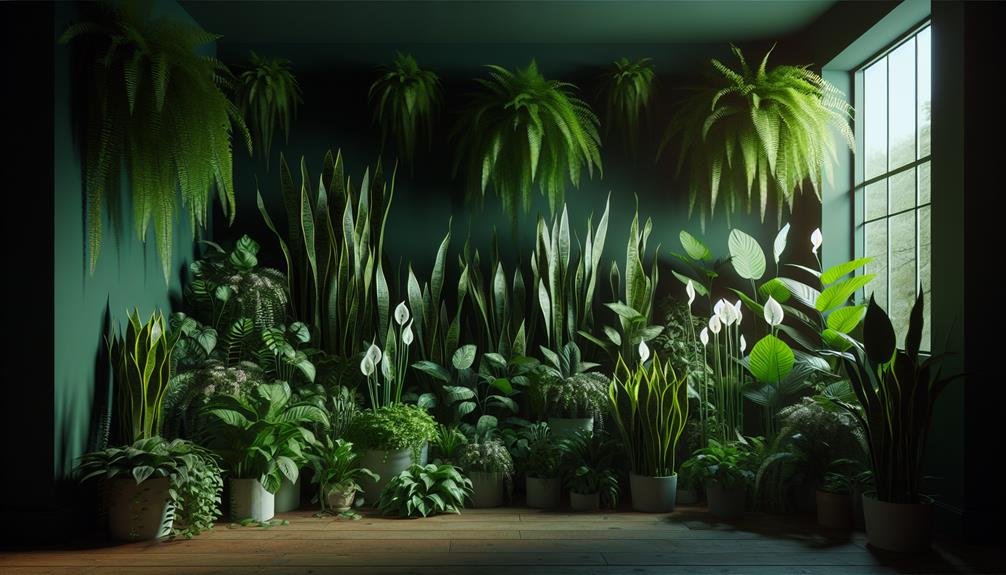
Indoor plant air purification begins with selecting the right types of plants for your space. Different plants have varying abilities to filter toxins and improve air quality. Consider factors such as the size of the plant, its maintenance needs, and the specific toxins you want to target when choosing which plants to incorporate into your indoor environment.
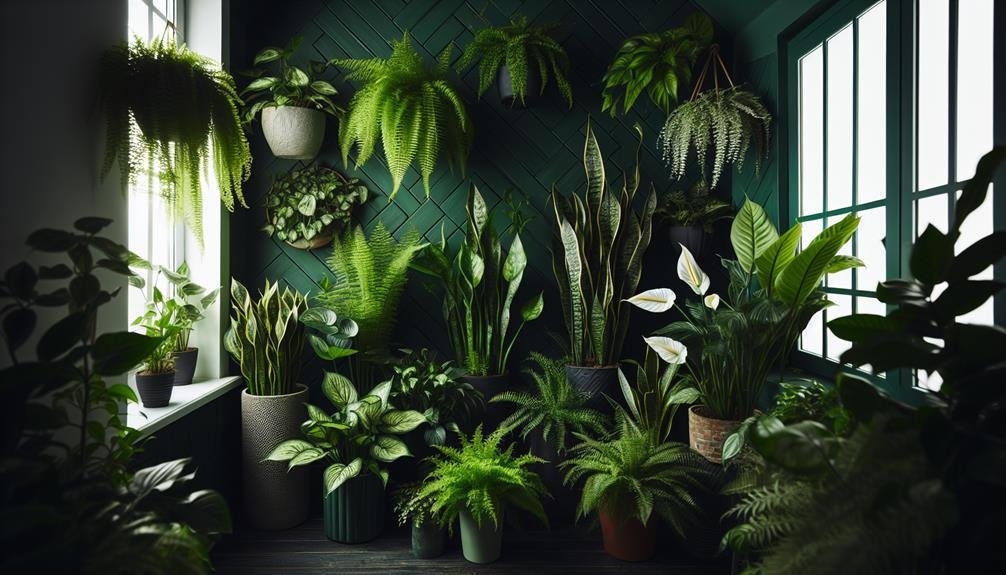
Once you have chosen the appropriate plants, proper placement is crucial for maximizing their air-purifying benefits. Position plants strategically throughout your space to ensure optimal air circulation and coverage. Grouping plants together can create microclimates that enhance their collective air-cleansing effects.
Regular care and maintenance are essential to keep your indoor plants functioning at their best. Watering, pruning, and cleaning the leaves will help plants thrive and continue to purify the air effectively. Additionally, periodically inspect your plants for signs of pests or diseases that could hinder their air-purifying capabilities. By selecting the right plants, placing them thoughtfully, and maintaining them properly, you can harness the power of indoor plants to improve the air quality in your home or workspace.
How Indoor Plants Remove Toxins
To effectively remove toxins, indoor plants utilize a natural process called phytoremediation. This process involves plants absorbing harmful chemicals through their roots and then either breaking them down into less harmful substances or storing them within their tissues. Indoor plants can target a variety of toxins commonly found in indoor environments, such as formaldehyde, benzene, and trichloroethylene.
Plants remove toxins through several mechanisms. One way is by absorbing toxins through their roots and then releasing them into the soil where beneficial microbes break them down. Another method involves toxins being taken up through the leaves and broken down by enzymes within the plant. Additionally, some plants can store toxins in their tissues without being harmed, effectively removing them from the air.
Plant Respiration and Oxygen Release
Plant respiration is a vital process that not only sustains the plant itself but also plays a key role in releasing oxygen into the surrounding environment. During respiration, plants take in oxygen and release carbon dioxide, similar to how humans breathe. However, during the day, plants also photosynthesize, a process where they absorb carbon dioxide and release oxygen. This unique ability of plants to release oxygen through photosynthesis is crucial for maintaining a healthy balance of oxygen in indoor spaces.
Indoor plants help improve air quality by constantly releasing oxygen into the air through respiration and photosynthesis. The oxygen released by plants is beneficial for humans as it enhances air quality and makes breathing easier. Additionally, increased oxygen levels can boost productivity, concentration, and overall well-being. By understanding the role of plant respiration and oxygen release, you can appreciate how indoor plants not only beautify your space but also contribute to a healthier indoor environment.

Factors Influencing Air Purification Efficiency
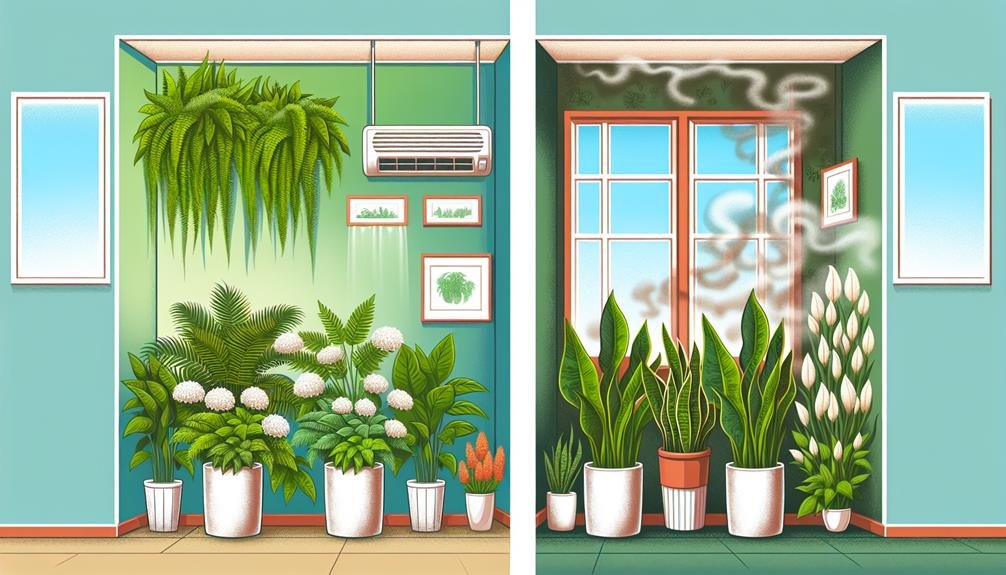
Enhancing air purification efficiency in indoor spaces involves considering various factors that impact the effectiveness of plant-based oxygen release and air quality improvement. The level of natural light a plant receives is crucial; insufficient light can hinder a plant's ability to photosynthesize and release oxygen.
Additionally, the type of plant plays a significant role in air purification. Some plants are more efficient at removing toxins from the air than others. Proper ventilation is key; stagnant air can impede the circulation of purified air.
Humidity levels should also be monitored, as overly dry or humid conditions can affect plant health and, consequently, air purification. The size of the room and the number of plants within it are important factors to consider, as more plants in a larger space may be needed to effectively purify the air.
Tips for Maximizing Air Purification Benefits
Considering the placement of your indoor plants strategically can significantly enhance the air purification benefits they provide in your space. To maximize these benefits, start by situating plants in areas where airflow is prevalent. This allows for better circulation of purified air throughout the room. Placing plants near windows or vents can help achieve this.
Another tip is to group plants together. By clustering plants, you create a micro-environment where they can work together to purify the air more effectively. This technique can also increase the humidity around the plants, benefiting both the plants and the air quality.
Regularly dusting the leaves of your indoor plants is essential for optimal air purification. Dust can clog the plant's stomata, reducing its ability to purify the air. By keeping the leaves clean, you ensure that the plants can efficiently remove toxins from the air.
Lastly, consider the size of the plant in relation to the room. Larger rooms may require multiple plants or larger plants to achieve significant air purification benefits. By following these tips, you can make the most of your indoor plants' air purification capabilities.
Frequently Asked Questions
Can Indoor Plants Remove Specific Types of Toxins More Effectively Than Others?
When it comes to indoor plants removing toxins, some are more effective at targeting specific types than others. Certain plants excel at removing particular toxins due to their unique properties.
Understanding which plants are best suited for specific toxins can help you create a more effective air purification system in your home. Researching plant characteristics and toxin removal abilities can guide you in selecting the ideal indoor plants for your air quality needs.
Do Different Plant Species Vary in Their Ability to Purify the Air?
Different plant species indeed vary in their ability to purify the air. Some plants are more efficient at removing specific toxins than others. Factors like leaf surface area and the plant's metabolic processes contribute to this variation.
How Do Indoor Plants Affect Humidity Levels in a Room?
Indoor plants can impact humidity levels by releasing water vapor through a process called transpiration. As plants absorb water from the soil, it travels through the plant and is released into the air through tiny pores in the leaves.
This natural moisture release can increase humidity in a room, creating a more comfortable environment for you. Be mindful of the type and number of plants to maintain optimal humidity levels in your space.
Are There Any Health Risks Associated With Having Too Many Indoor Plants in a Small Space?
Having too many indoor plants in a small space can pose health risks. Over-watering can lead to mold growth, triggering allergies or respiratory issues.
Also, some plants release volatile organic compounds (VOCs) that, in high concentrations, may cause headaches or irritation.
To minimize risks, ensure good ventilation, proper watering, and choose plants with low VOC emissions. Keep an eye on your plant collection to maintain a healthy indoor environment.
Can Artificial Plants Provide the Same Air Purification Benefits as Real Plants?
Artificial plants may not provide the same air purification benefits as real plants since they don't actively photosynthesize or remove toxins from the air.
While artificial plants can enhance the aesthetics of a space without the need for maintenance, they don't contribute to air quality improvement like live plants do.
If you're looking to improve indoor air quality, opt for real plants over artificial ones for better results.
Conclusion
So next time you're looking to improve the air quality in your home, consider adding some indoor plants.
Not only do they add a touch of greenery to your space, but they also work hard to remove toxins and release oxygen, making your indoor environment healthier and more enjoyable to live in.
Remember to choose the right plants, give them proper care, and watch as they purify the air around you.