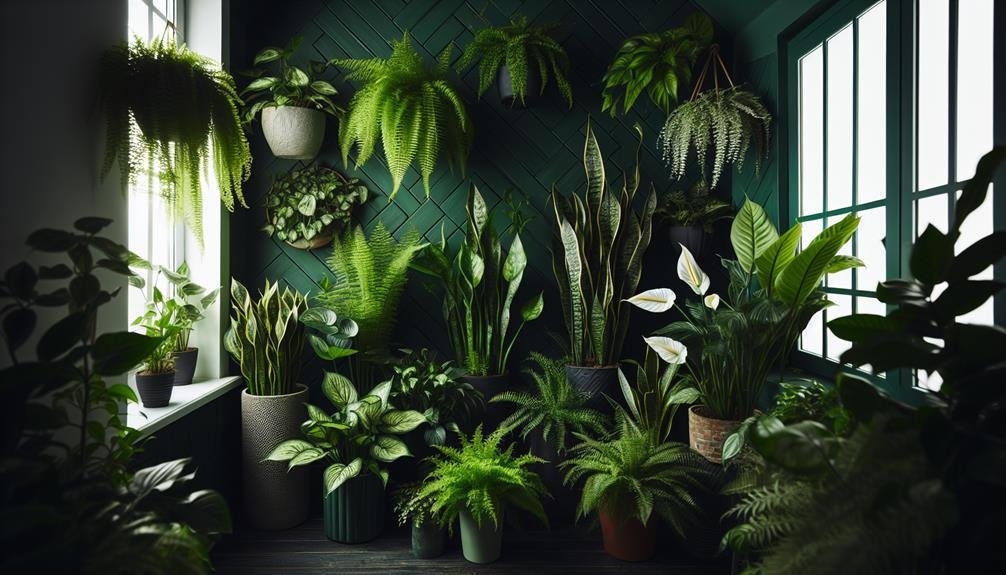
To enhance indoor air quality with houseplants, you have the opportunity to not only beautify your living space but also to purify the air you breathe. Imagine creating a healthier environment effortlessly, simply by incorporating specific plants into your home.
By understanding the benefits different houseplants offer and how they function to improve air quality, you can transform your space into a cleaner, fresher sanctuary. But what are the top houseplants for this purpose, and how can you effectively maintain them for optimal results?
Let's explore the realm of houseplants and their potential to enhance your indoor air quality.
Health Benefits of Houseplants
By having houseplants in your living space, you can significantly improve the indoor air quality and enhance your overall well-being. Plants play a vital role in purifying the air by absorbing harmful toxins and releasing oxygen through the process of photosynthesis. This natural air filtration system can help reduce the levels of pollutants such as formaldehyde, benzene, and trichloroethylene, which are commonly found in indoor environments.
Moreover, houseplants have been shown to have a positive impact on mental health. The presence of greenery indoors can help reduce stress, anxiety, and fatigue while promoting a sense of calmness and well-being. Being around plants has been linked to lower blood pressure and improved concentration and productivity.
Additionally, houseplants can act as natural humidifiers, releasing moisture into the air through a process called transpiration. This can be beneficial, especially during the drier months or in areas with low humidity levels, helping to alleviate respiratory issues and dry skin. Overall, incorporating houseplants into your living space can contribute to a healthier and more pleasant indoor environment.
Top Houseplants for Cleaner Air
Enhance your indoor air quality effectively with these top houseplants known for their air-cleaning properties.
First on the list is the Spider Plant, which excels at removing formaldehyde and xylene from the air. Its easy maintenance and adaptability make it a perfect choice for beginners.
The Snake Plant is another excellent option as it thrives in low light conditions and is effective at filtering out formaldehyde, trichloroethylene, and benzene.
If you're looking for a pop of color, the Peace Lily is a beautiful plant that helps eliminate ammonia, benzene, formaldehyde, and trichloroethylene. Additionally, the Peace Lily is known for its ability to reduce mold spores in the air.

The Rubber Plant is a sturdy air purifier that targets formaldehyde specifically, while the Boston Fern is highly effective at removing pollutants like xylene and formaldehyde.
Consider adding these top houseplants to your indoor space to enjoy cleaner and fresher air.
Maintaining Indoor Plants for Air Quality
To ensure optimal air quality in your indoor space, it's important to properly maintain your houseplants. Regularly check your plants for any signs of pests or diseases. Remove dead leaves, flowers, or any debris that may have fallen into the soil.
Water your plants as needed, making sure not to overwater them as this can lead to root rot. It's essential to provide adequate sunlight for your plants, as they need it for photosynthesis. Rotate your plants occasionally to ensure all sides receive equal sunlight exposure.
Dust the leaves of your plants using a damp cloth to keep them clean and free from dust buildup, which can hinder their ability to absorb light. Consider repotting your plants when they outgrow their current pots to allow for proper root growth.
Tips for Improving Air Quality
For better indoor air quality, consider incorporating various household items that can naturally purify the air. Start by adding bamboo charcoal bags or activated charcoal to absorb odors and harmful chemicals. Place a few around your home, especially near areas prone to odors like the kitchen or bathroom.
Utilize essential oil diffusers with antimicrobial oils like tea tree or eucalyptus to cleanse the air. Regularly change air filters in your HVAC system to prevent dust and pollutants from circulating.
Increase ventilation by opening windows when possible to let fresh air in and stagnant air out. Keep humidity levels between 30-50% to deter mold growth and improve respiratory health. Dust and vacuum frequently to reduce allergens that can affect air quality.
Avoid using synthetic air fresheners and opt for natural alternatives like simmering herbs or baking soda. By implementing these simple tips, you can enhance the air quality in your home for a healthier living environment.
Incorporating Houseplants Into Your Home
Consider adding houseplants to your indoor space to naturally enhance air quality and create a more inviting atmosphere. When incorporating houseplants into your home, it's essential to assess the lighting conditions in different areas. Choose plants that thrive in the amount of natural light available, such as snake plants for low-light areas or succulents for bright, sunny spots.
Select a variety of plant sizes and types to add visual interest and texture to your space. Hanging plants in macramé holders or placing them on shelves can also help maximize space and create a cozy ambiance.
To seamlessly integrate houseplants into your home decor, consider using decorative pots or planters that complement your interior style. Mixing and matching different plant colors and leaf shapes can add a pop of freshness to any room. Additionally, grouping plants together in clusters or creating a mini indoor garden can make a striking statement.
Remember to water and care for your plants regularly to keep them healthy and thriving in your indoor environment.
Frequently Asked Questions
Can All Houseplants Effectively Improve Indoor Air Quality, or Are There Certain Types That Work Better Than Others?
Absolutely!
When it comes to houseplants improving indoor air quality, some types are more effective than others. Factors like the plant's ability to remove toxins, its size, and the amount of care it needs all play a role in its air-purifying capabilities.
Researching specific plants known for their air-purifying qualities and ensuring they receive proper care can make a significant difference in enhancing your indoor air quality.
Are There Any Houseplants That Can Actually Harm Indoor Air Quality or Be Toxic to Pets?
Some houseplants, while beautiful, can actually be harmful to indoor air quality or toxic to pets. It's crucial to research plant options before bringing them into your home.
Certain plants emit volatile organic compounds that can worsen air quality. Additionally, some plants may be toxic to pets if ingested. Consider choosing non-toxic plants that are safe for both your indoor air and your furry friends.
Always prioritize safety when selecting houseplants.
How Often Should Houseplants Be Replaced or Rotated to Continue to Provide Air Quality Benefits?
To keep your indoor air quality at its best, consider rotating or replacing houseplants every 6 to 12 months. This helps ensure they continue providing air purification benefits effectively.
Regularly checking the health of your plants and monitoring their growth can also guide you on when it's time for a change. Remember, a little maintenance goes a long way in keeping your indoor air fresh and clean.
Are There Specific Care Routines or Techniques That Can Maximize the Air Purifying Benefits of Houseplants?
To maximize the air purifying benefits of houseplants, ensure they receive adequate sunlight and water according to their specific needs.
Regularly dust their leaves to keep them clean and allow for better air absorption.
Consider grouping plants together to create microclimates that enhance their air-purifying properties.
Lastly, monitor for signs of pests or disease, promptly addressing any issues to maintain the health and effectiveness of your indoor garden.
Are There Any Additional Factors to Consider When Using Houseplants to Enhance Air Quality in Specific Rooms, Such as the Size of the Room or the Presence of Windows?
When using houseplants to enhance air quality in specific rooms, consider factors like room size and window presence. Larger rooms may benefit from multiple plants, while rooms with windows can enjoy improved air circulation.
Placing plants near windows can also help them thrive. Remember to research each plant's specific needs to ensure they can effectively purify the air in your space.
Conclusion
By incorporating houseplants into your home, you can enjoy the health benefits of cleaner air and a more pleasant indoor environment. With the right plants and proper maintenance, you can easily enhance your indoor air quality.
Remember to choose the top houseplants for cleaner air, regularly maintain your plants, and follow tips for improving air quality.
Start reaping the benefits of houseplants today for a healthier and happier living space.