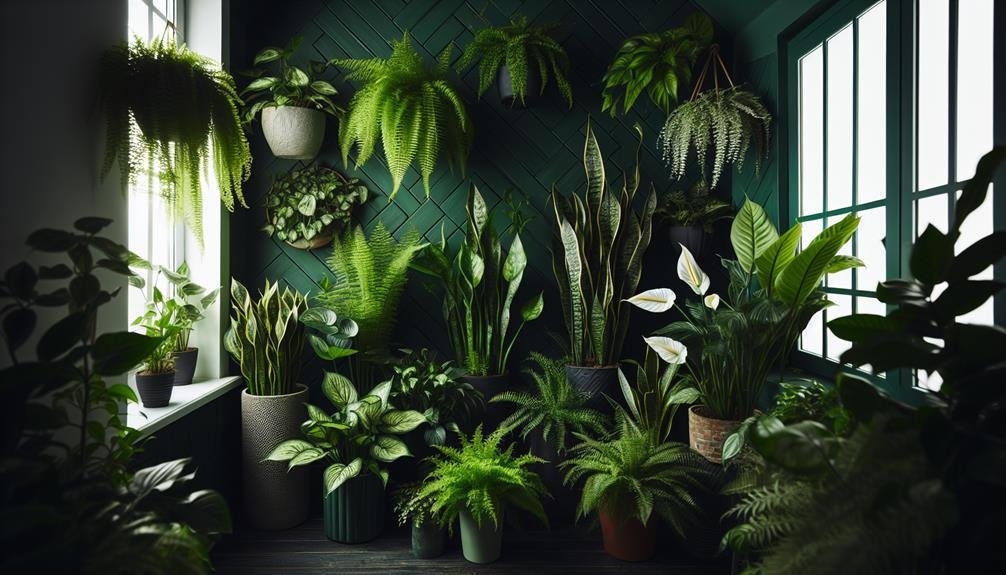
You may have heard whispers about the power of indoor plants when it comes to cleaning the air in your home. But have you truly considered the depth of their air-purifying abilities?
Recent studies have uncovered fascinating insights that shed light on the efficacy of certain plants in removing harmful toxins from indoor spaces.
As you ponder the air you breathe daily, a deeper understanding of these findings could significantly impact your well-being.
Benefits of Air-Purifying Indoor Plants
Indoor plants significantly improve air quality by removing harmful toxins and chemicals from the environment. Having these green companions in your home can make a big difference in the air you breathe daily. Plants like peace lilies, spider plants, and pothos are known for their air-purifying abilities. They work tirelessly to filter out pollutants and enhance the overall quality of the air inside your living space.
Not only do air-purifying indoor plants help in reducing toxins, but they also add a touch of natural beauty to your surroundings. Imagine coming home to a space filled with vibrant, lush plants that not only look aesthetically pleasing but also contribute to your well-being.
The calming presence of indoor plants can also have a positive impact on your mental health, promoting relaxation and reducing stress levels.
Top Indoor Plants for Cleaner Air
Enhance your indoor air quality with these top plants known for their air-purifying properties.
When it comes to cleaner air in your home, consider adding a spider plant. This low-maintenance plant is excellent at removing toxins like formaldehyde and xylene.
Another great option is the peace lily, which not only adds a touch of elegance to your space but also helps eliminate common indoor pollutants such as benzene and ammonia.
If you're looking for a plant that thrives in low light conditions, the snake plant is a perfect choice. It's highly effective at filtering out formaldehyde, trichloroethylene, and benzene.

The pothos plant isn't only beautiful with its cascading vines but also works wonders at removing formaldehyde from the air.
Lastly, the Boston fern is a fantastic air purifier that helps combat pollutants like xylene and formaldehyde.
Consider incorporating these top indoor plants into your living space for a breath of fresh air.
Air-Purifying Plant Care Tips
For optimal air-purifying plant care, ensure you provide consistent watering and adequate sunlight to maintain their health and effectiveness in filtering indoor pollutants. Proper watering is crucial; overwatering can lead to root rot, while underwatering can cause stress to the plant. Ensure the soil is moist but not waterlogged, and allow excess water to drain out.
Different plants have varying light requirements, so place them in spots where they receive sufficient sunlight. If natural light is limited, consider using grow lights to supplement their needs. Additionally, dust the leaves regularly to prevent clogging of the plant's pores and hinder its air-purifying capabilities.
Keep an eye out for pests and diseases, addressing any issues promptly to prevent them from affecting the plant's overall health. By following these care tips, you can ensure that your air-purifying plants thrive and continue to purify the air effectively in your indoor spaces.
Research on Indoor Plants' Air Quality Impact
Researching the impact of indoor plants on air quality reveals valuable insights into their ability to purify indoor environments. Various studies have shown that indoor plants can effectively remove harmful toxins such as formaldehyde, benzene, and trichloroethylene from the air, thus improving the overall air quality in your home or office. These plants act as natural air filters, absorbing pollutants through their leaves and roots, and converting them into nutrients. The presence of indoor plants has been linked to reduced levels of indoor air pollution, leading to a healthier living or working environment for you.
Research has also demonstrated that certain plant species are particularly efficient at removing specific toxins. For example, the peace lily is excellent at eliminating mold spores, while spider plants are great for combating carbon monoxide and xylene. By strategically placing these air-purifying plants throughout your indoor spaces, you can significantly enhance the air quality and create a fresher atmosphere for you and your family.
Creating a Healthier Home With Plants
Transform your living space into a healthier environment by strategically incorporating air-purifying plants. Not only do plants add a touch of nature to your home, but they also serve as natural air filters, removing toxins and improving indoor air quality.
By placing plants like spider plants, peace lilies, or snake plants in different rooms, you can effectively reduce pollutants such as formaldehyde, benzene, and trichloroethylene. These plants work tirelessly to purify the air, making your home a safer and more pleasant place to be.
In addition to their air-purifying benefits, plants have been shown to boost mood, reduce stress, and increase productivity. Their presence can create a calming atmosphere, promoting overall well-being and mental clarity. Caring for plants can also be a rewarding hobby, providing a sense of accomplishment and connection to nature.
Frequently Asked Questions
Can Indoor Plants Completely Eliminate All Indoor Air Pollutants?
Indoor plants can help reduce indoor air pollutants, but they mightn't eliminate all of them completely. While plants are great at improving air quality, other factors like ventilation and the type of pollutants present also play a role.
Do Different Types of Indoor Plants Have Varying Air-Purifying Abilities?
Different types of indoor plants indeed have varying air-purifying abilities. Some plants are more effective at removing specific pollutants than others. Factors like plant size, leaf surface area, and growth rate can influence their air-purifying capabilities.
It's essential to choose plants that match your indoor air quality needs. Researching the specific pollutants you want to target can help you select the most suitable indoor plants for cleaner air in your space.
How Can Indoor Plants Affect the Overall Well-Being and Mental Health of Individuals?
Indoor plants can significantly enhance your overall well-being and mental health. Their presence brings nature indoors, creating a calming and relaxing environment. By reducing stress levels, increasing productivity, and improving air quality, plants contribute to a healthier mindset.
Caring for plants can also boost your mood and provide a sense of accomplishment. So, consider adding some greenery to your living or working space to experience these positive effects on your well-being.
Are There Any Risks Associated With Having Too Many Air-Purifying Plants Indoors?
Having too many air-purifying plants indoors can lead to excess moisture, attracting pests like fungus gnats. Plus, some plants release allergens or irritants that could impact your health.
It's essential to balance the number of plants you have with proper ventilation and maintenance. Keep an eye out for any signs of mold or pests, and consider rotating your plants to prevent overexposure to potential risks.
Can Indoor Plants Help Reduce the Spread of Airborne Illnesses or Viruses in a Household?
Indoor plants can potentially reduce the spread of airborne illnesses or viruses in your household. They help by improving air quality, which can make it harder for viruses to survive and spread.
Adding plants to your indoor space can be a natural way to enhance the air you breathe, providing a healthier environment for you and your family.
Consider incorporating plants into your home to potentially reduce the risk of airborne illnesses.
Conclusion
Overall, incorporating air-purifying indoor plants into your home can greatly improve the air quality and create a healthier environment for you and your family.
By choosing the right plants and providing proper care, you can enjoy the benefits of cleaner air and a more natural aesthetic.
Research shows that indoor plants have a significant impact on air quality, making them a simple yet effective way to enhance your living space.