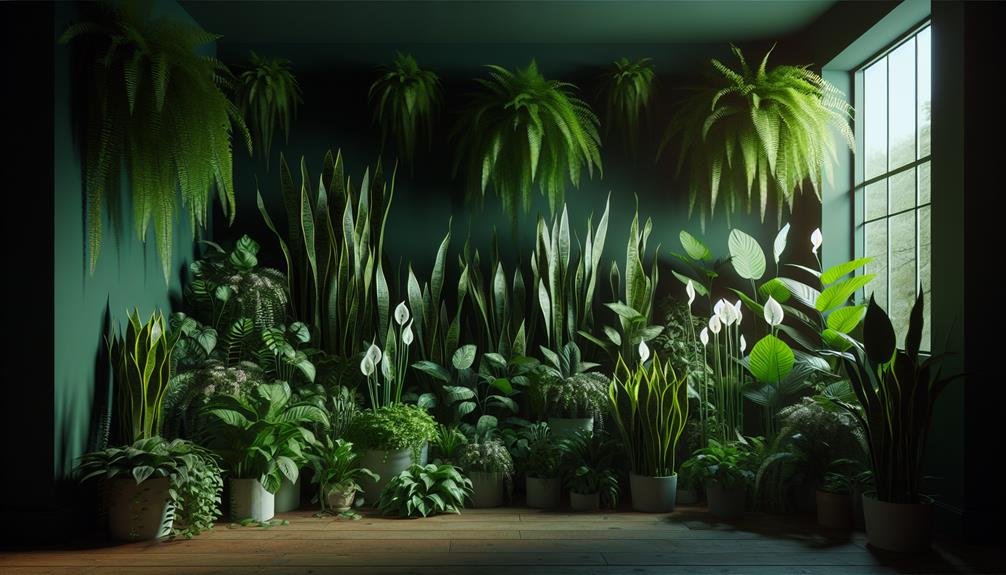
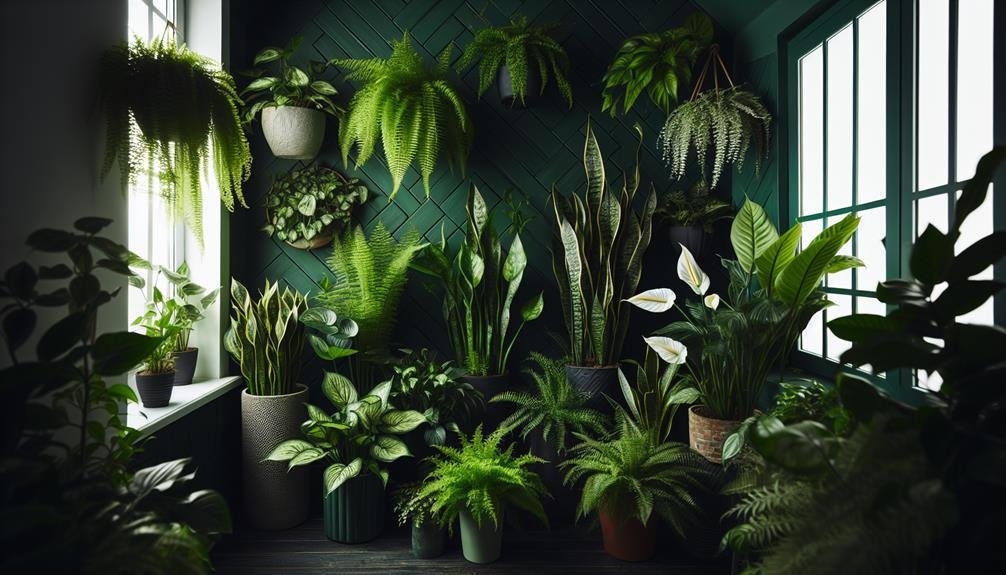
Did you know that indoor plants can remove up to 87% of air toxins in just 24 hours? With the air quality of indoor spaces becoming increasingly important, incorporating these natural air purifiers into your home or office can make a significant difference.
By choosing the right plants and taking care of them properly, you can create a healthier environment for yourself and your loved ones. But how exactly do these plants purify the air, and which ones are the most effective? Let's explore the fascinating world of indoor plants and their air-purifying abilities.
Benefits of Indoor Plants for Air Quality
Indoor plants actively purify the air by filtering out toxins and releasing oxygen, making them essential for improving indoor air quality. Having plants in your living space not only adds a touch of greenery but also serves as a natural air purification system. As you go about your day, these plants work tirelessly to remove harmful substances from the air, such as formaldehyde and benzene, creating a healthier environment for you to breathe in.
Not only do indoor plants enhance the air quality in your home, but they also have a calming effect on your overall well-being. The presence of plants has been shown to reduce stress levels and boost mood, creating a more relaxed atmosphere. By incorporating plants into your indoor decor, you can enjoy the dual benefits of cleaner air and a more serene living environment.
Top Air-Purifying Indoor Plants
Enhancing your indoor environment with air-purifying plants can significantly improve the quality of the air you breathe. When selecting plants for their air-purifying properties, consider adding a few of the following top choices to your indoor space:
- Spider Plant: Known for its easy care and effectiveness in removing formaldehyde and xylene from the air, the spider plant is a popular choice.
- Peace Lily: This elegant plant not only adds beauty to your space but also helps in removing common indoor air pollutants like ammonia, benzene, and formaldehyde.
- Snake Plant: Ideal for beginners, the snake plant is a hardy plant that thrives in low light conditions. It's excellent at filtering out formaldehyde, trichloroethylene, and benzene.
- Aloe Vera: Apart from its healing properties, aloe vera is effective at removing formaldehyde and benzene from the air while adding a touch of green to your indoor environment.
Ideal Placement and Lighting Tips
Considering the air-purifying plants you've chosen, finding the ideal placement and lighting for them is key to maximizing their effectiveness in cleaning the air in your indoor space. Place plants near areas where you spend the most time, such as your desk or living room, to ensure you benefit from their air-purifying qualities.
When it comes to lighting, most indoor plants thrive in bright, indirect light. Ensure they receive enough sunlight by placing them near a window, but be cautious of direct sunlight, which can scorch the leaves. If natural light is limited in your space, consider using grow lights to supplement their light needs.
Rotate your plants occasionally to ensure all sides receive equal light exposure, promoting even growth. By paying attention to placement and lighting, you can create an optimal environment for your air-purifying plants to thrive and effectively clean the air in your home.
Watering and Maintenance Guidelines
To ensure your air-purifying plants thrive and continue to clean the air effectively, it's essential to adhere to proper watering and maintenance guidelines. Proper watering is crucial for plant health. Overwatering can lead to root rot, while underwatering can cause wilting and stunted growth. Be sure to water your plants according to their specific needs; some may require more frequent watering than others. It's essential to check the soil moisture levels regularly before watering to prevent overwatering.
In addition to watering, regular maintenance tasks are necessary to keep your indoor plants in top condition. This includes dusting the leaves to ensure optimal photosynthesis, pruning any yellowing or dead leaves, and periodically repotting to refresh the soil and provide more space for root growth. Regularly inspect your plants for signs of pests or diseases, and take prompt action if any issues arise. By following these watering and maintenance guidelines, you can help your air-purifying plants thrive and continue to purify the air in your home effectively.

Troubleshooting Common Plant Issues
Maintaining the health of your indoor plants is key, and when troubleshooting common plant issues, it's important to promptly address any signs of distress to ensure your air-purifying plants continue to thrive.
One frequent problem is overwatering, leading to root rot. Ensure proper drainage in your pots and let the soil dry out between watering.
On the other hand, underwatering can cause wilting and yellowing leaves. Check the moisture levels regularly and adjust your watering schedule accordingly.
If you notice pests like spider mites or fungus gnats, gently wipe the leaves with a damp cloth and consider using natural remedies or insecticidal soap.
Brown tips on the leaves may indicate low humidity levels; misting the plant or using a humidifier can help.
Lastly, yellowing or dropping leaves might be a sign of inadequate light. Move your plant to a brighter location, but be cautious of direct sunlight, which can scorch the leaves.
Frequently Asked Questions
Can Indoor Plants Help Reduce the Risk of Airborne Illnesses?
Indoor plants can indeed help reduce the risk of airborne illnesses. They've air-purifying qualities that can filter out harmful toxins and improve indoor air quality.
By having plants in your living spaces, you can create a healthier environment that may decrease the chances of falling ill due to airborne pollutants.
Incorporating indoor plants into your surroundings can be a simple yet effective way to boost your overall well-being.
Are There Any Specific Indoor Plants That Are Best for Improving Mental Health and Well-Being?
For improving mental health and well-being with indoor plants, consider options like lavender, aloe vera, and snake plants.
Lavender's soothing scent can promote relaxation, aloe vera purifies the air while offering a calming presence, and snake plants are easy to care for, reducing stress.
These plants can enhance your indoor environment, creating a peaceful atmosphere and contributing to your overall well-being.
Experiment with different varieties to find what works best for you.
How Do Indoor Plants Impact Humidity Levels in a Room?
Indoor plants impact humidity levels in a room by releasing water vapor through a process called transpiration. This natural process helps increase humidity, creating a more comfortable environment.
The moisture released by plants can help combat dry air, which is common in many indoor spaces. By having plants indoors, you can enjoy not just their aesthetic appeal, but also their ability to regulate humidity levels and improve overall air quality.
Can Indoor Plants Help Eliminate Odors in a Space?
Indoor plants can help eliminate odors in a space by absorbing pollutants and releasing oxygen. Their natural filtering process can freshen up the air, making your room smell cleaner and more pleasant.
Placing plants strategically around your home can target specific areas where odors tend to linger. So, adding some greenery not only adds a touch of nature to your space but also helps in keeping it smelling fresh.
Are There Any Indoor Plants That Are Safe for Pets to Be Around?
When choosing indoor plants, it's crucial to consider pet safety. Some indoor plants that are safe for pets include spider plants, Boston ferns, and African violets. These plants can add greenery to your space without posing a risk to your furry friends.
Remember to research each plant before bringing them home to ensure they're non-toxic to pets. Enjoy the benefits of having indoor plants while keeping your pets safe and happy.
Conclusion
Don't forget to bring some green into your indoor space! Indoor plants not only add a touch of nature to your home but also help purify the air you breathe.
With the right plants, placement, and care, you can enjoy cleaner and fresher air while adding a pop of color to your decor.
So don't miss out on the benefits of indoor plants – your lungs will thank you!