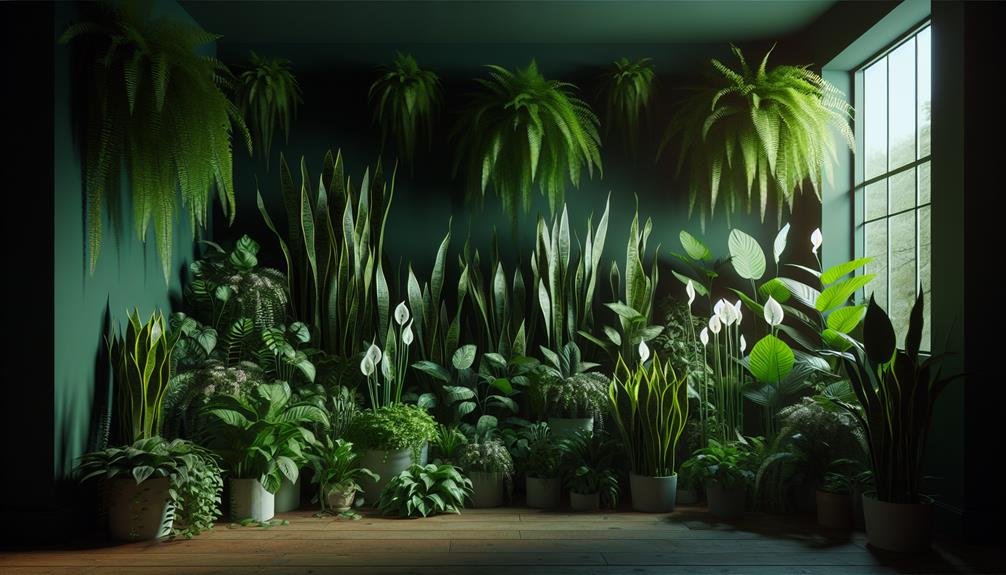
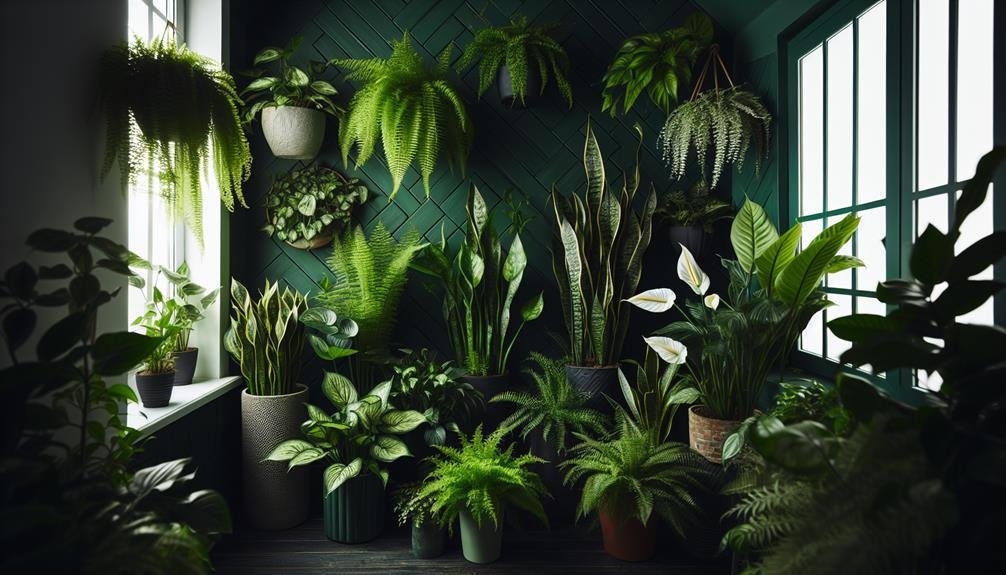
Step into a world where the color green can be more than just a hue on the color wheel; it can be a breath of fresh air for your mind.
Imagine a space where the simple presence of a plant can subtly shift your mood and outlook.
Curious to discover how indoor greenery might hold the key to improving your mental well-being? Let's explore the scientifically-backed benefits and practical tips for incorporating greenery into your indoor environment.
Benefits of Indoor Greenery
Adding indoor greenery to your living or workspace can significantly enhance your mental well-being. The presence of plants indoors has been linked to reduced stress levels, increased productivity, and improved mood. When you surround yourself with greenery, you create a calming and peaceful environment that can help you relax and unwind after a long day. The act of caring for indoor plants can also provide a sense of purpose and accomplishment, boosting your self-esteem and overall happiness.
Furthermore, indoor plants have the ability to purify the air by absorbing toxins and releasing oxygen, creating a healthier environment for you to breathe in. This can lead to better concentration and cognitive function, making you more alert and focused throughout the day. The aesthetic appeal of indoor greenery can also uplift your spirits and make your living or workspace more inviting and pleasant to be in. So go ahead, bring some plants indoors and experience the numerous benefits they can offer for your mental well-being.
Best Plants for Mental Health
Surround yourself with specific indoor plants known to boost mental well-being by promoting relaxation, improving air quality, and enhancing overall mood.
Consider adding a Peace Lily to your space; its elegant white blooms can help reduce stress and anxiety.
The Snake Plant is another great choice as it releases oxygen at night, improving air quality while you sleep and aiding in a better night's rest.
If you're looking for a pop of color, the vibrant flowers of a Gerbera Daisy can lift your spirits and add a cheerful touch to your environment.
The soothing scent of Lavender not only promotes relaxation but can also help improve sleep quality.

Lastly, the Boston Fern is excellent for purifying the air and adding a touch of nature to your indoor space.
Incorporating these plants into your surroundings can have a positive impact on your mental health and overall well-being.
Caring for Indoor Greenery
To ensure the well-being of your indoor greenery, regular watering and proper sunlight exposure are essential for their growth and health. Water your plants when the top layer of soil feels dry to the touch, but be cautious not to overwater, as this can lead to root rot. Different plants have varying water needs, so it's important to research the specific requirements of each type you have.
In addition to watering, ensure your indoor greenery receives adequate sunlight. Most indoor plants thrive in bright, indirect light, so placing them near a window is ideal. However, be mindful of direct sunlight, as it can scorch the leaves of some plants. Rotate your plants occasionally to promote even growth and prevent them from leaning towards the light source.
Regularly inspect your plants for signs of pests or disease, such as yellowing leaves or unusual spots. If you notice any issues, address them promptly to prevent them from spreading to other plants. By providing proper care and attention, your indoor greenery will flourish and contribute positively to your mental well-being.
Creating a Relaxing Environment
Enhance the ambiance of your indoor space by incorporating elements that promote relaxation and tranquility. Start by decluttering your space to create a sense of openness and calm. Consider using soft, neutral colors on the walls and adding cozy textiles like blankets and cushions to make the environment inviting. Dimmable lighting can help create a soothing atmosphere, especially in the evenings.
Introduce elements of nature such as indoor plants or a small water feature to bring a touch of the outdoors inside. The presence of greenery has been shown to reduce stress and improve overall well-being. Additionally, playing soft, instrumental music in the background can further enhance the calming effect of your space.
Create designated relaxation zones within your home, such as a cozy reading nook or a meditation corner. These areas can serve as retreats where you can unwind and recharge. Lastly, consider incorporating scented candles or essential oils with relaxing fragrances like lavender or chamomile to engage your senses and promote relaxation.
Incorporating Greenery in Daily Life
Consider incorporating indoor plants into your daily routine to reap the benefits of greenery for your mental health and well-being. Adding greenery to your living or working space can be a simple yet effective way to introduce nature into your everyday life. Start by placing a small potted plant on your desk or a shelf to bring a touch of green to your immediate surroundings.
Make watering and caring for your plants a part of your daily ritual. This simple act can provide a sense of purpose and accomplishment, boosting your mood and overall mental well-being. Additionally, consider incorporating a short mindfulness practice while tending to your plants, focusing on the task at hand and being present in the moment.
To further integrate greenery into your daily life, consider setting reminders to take short breaks and spend a few moments near your plants. Whether you choose to simply admire them or engage in light gardening, these moments can help reduce stress and promote a sense of calm and relaxation throughout your day.
Frequently Asked Questions
Can Indoor Greenery Help Improve Symptoms of Specific Mental Health Conditions, Such as Anxiety or Depression?
Indoor greenery can indeed help improve symptoms of mental health conditions like anxiety or depression. Plants have been shown to reduce stress levels and promote a sense of well-being.
The presence of greenery indoors can create a calming environment that may alleviate some of the symptoms associated with these conditions.
Consider incorporating plants into your living or workspaces to experience potential mental health benefits.
Are There Any Specific Indoor Plants That Are Known to Have Negative Effects on Mental Health?
Some indoor plants can have negative effects on mental health. Mold-prone plants like ferns or plants with strong scents, such as jasmine, could trigger allergies or headaches.
Overwhelming fragrances, like those from certain flowers, may be irritating. Be mindful of your plant choices; opt for low-maintenance, non-toxic plants like spider plants or peace lilies to create a calming indoor environment.
How Can Indoor Greenery Be Used to Improve Mental Health in Workplaces or Office Settings?
To boost mental health in workplaces or offices, incorporate indoor greenery. Plants can enhance mood, reduce stress, and increase productivity.
Positioning plants strategically, like near workstations or in common areas, can foster a sense of calm and connection to nature. Regularly caring for plants can also provide a sense of purpose and accomplishment.
Consider plants like snake plants, peace lilies, or pothos for their air purification and calming properties.
Is There a Recommended Amount of Indoor Plants per Square Footage for Optimal Mental Health Benefits?
For optimal mental health benefits, it's recommended to have about one indoor plant per 100 square feet of space. This ratio allows for adequate air purification and psychological benefits.
Having too many plants can create a cluttered environment, while too few may not provide the desired effects. By incorporating plants strategically based on square footage, you can create a harmonious and beneficial indoor greenery setup for your workplace or office space.
Are There Any Specific Tips for Incorporating Indoor Greenery in Small Living Spaces or Rooms With Limited Natural Light?
When working with limited space and natural light, opt for small potted plants like succulents or snake plants that thrive in low light.
Hang plants from the ceiling or use wall-mounted planters to save floor space.
Consider grouping plants together to create a lush mini indoor garden.
Don't forget to rotate plants occasionally to ensure even growth.
Embrace creativity by incorporating plant stands or shelves to elevate your greenery display.
Conclusion
Overall, incorporating indoor greenery into your living space can greatly improve your mental health.
By choosing the right plants, taking care of them properly, and creating a relaxing environment, you can experience the benefits of nature without even stepping outside.
Make sure to include greenery in your daily routine to boost your mood, reduce stress, and create a more peaceful atmosphere in your home.
Your mental well-being will thank you for it.