Have you ever considered the idea that caring for houseplants could have a positive impact on your mental well-being? Research suggests that nurturing plants in your home can offer various benefits.
But have you ever stopped to think about the specific ways in which this practice can truly boost your mental health? By exploring the connection between houseplant care and your emotional well-being, you might uncover a whole new world of self-care possibilities that could significantly enhance your daily life.
Benefits of Houseplant Care
Taking care of houseplants not only enhances your living space but also boosts your mental well-being. The act of nurturing these green companions can provide a sense of purpose and accomplishment. As you water, prune, and tend to your plants, you establish a routine that promotes mindfulness and reduces stress.
The presence of houseplants in your home can also improve the air quality, which in turn enhances your overall health and mood. The process of caring for plants encourages you to slow down, observe growth, and appreciate the beauty of nature within your indoor environment.
Furthermore, houseplants have been shown to reduce feelings of anxiety and depression. The simple act of being surrounded by greenery can uplift your spirits and create a calming atmosphere. Studies have indicated that interacting with plants can lower cortisol levels, the hormone associated with stress. By incorporating houseplant care into your daily life, you can cultivate a positive and nurturing space that supports your mental well-being.
Best Houseplants for Mental Health
To maximize the mental health benefits of houseplant care, selecting the right plants is key. When it comes to boosting your mood and well-being, certain houseplants stand out.
Consider starting with easy-to-care-for options like aloe vera, known for its air-purifying properties and soothing gel. Snake plants are another great choice, requiring minimal attention while enhancing indoor air quality.
For a pop of color and mood-lifting blooms, try growing a peace lily or a cheerful geranium. If you prefer aromatic plants, lavender and rosemary not only smell delightful but also have calming effects on the mind.
The vibrant petals of a sunflower can bring joy and positivity into your space. Lastly, the resilient jade plant symbolizes good luck and prosperity, adding a touch of greenery to your home.
Experiment with these varieties to find the ones that resonate most with you and watch as your mental well-being flourishes alongside your thriving houseplants.

Houseplant Care Tips for Beginners
Start by selecting houseplants that are low-maintenance and suitable for beginners to ensure a successful gardening experience. Consider plants like pothos, spider plants, or snake plants that thrive with minimal care.
When starting out, remember that overwatering is a common mistake. It's best to let the soil dry out between waterings to prevent root rot. Place your plants in areas with the right amount of sunlight according to their specific needs. Most beginner-friendly plants do well in indirect sunlight.
Dust the leaves regularly to help the plants photosynthesize effectively. If you notice any yellowing leaves or signs of pests, take action promptly to keep your plants healthy. Repot your plants when they outgrow their containers, ensuring they've enough room to grow.
Lastly, don't be discouraged by setbacks – caring for plants is a learning process, and each experience will help you become a more confident plant parent.
Creating a Relaxing Indoor Oasis
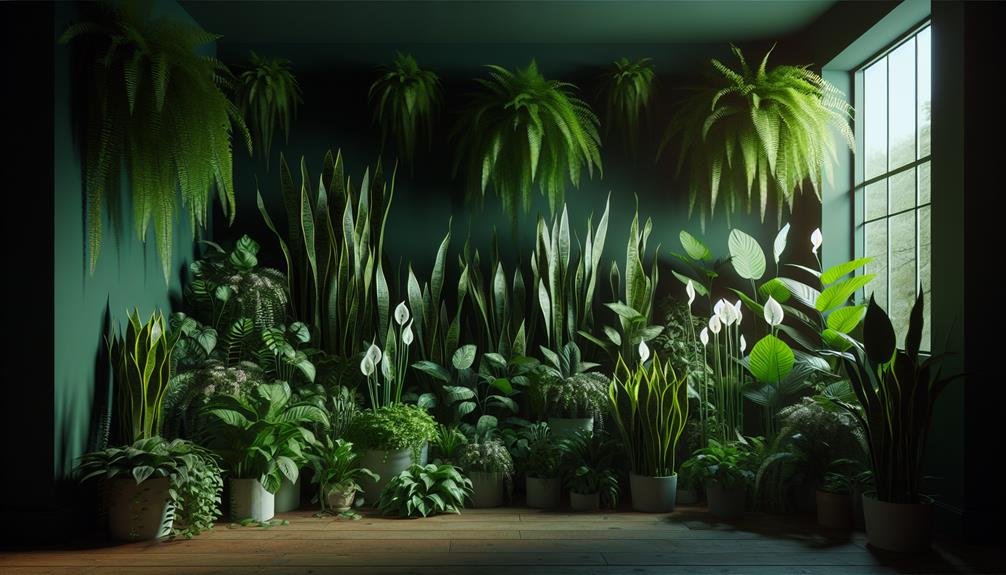
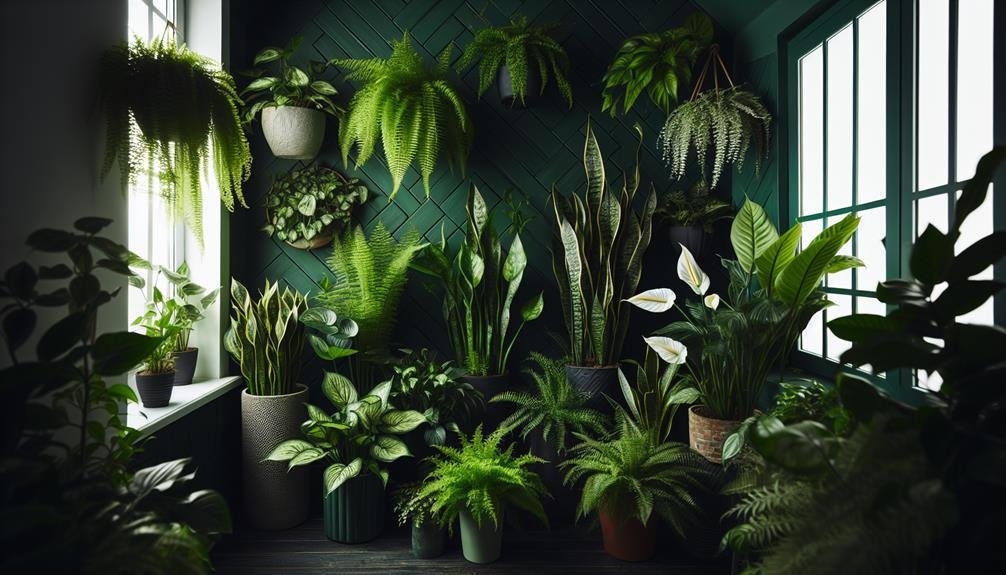
Transform your living space into a tranquil retreat by incorporating houseplants and soothing decor elements. Start by choosing plants known for their air-purifying qualities, such as peace lilies, snake plants, or spider plants. These won't only add a touch of nature to your surroundings but also help improve air quality. Arrange your plants strategically around the room to create a cohesive and calming atmosphere.
In addition to houseplants, consider adding other elements to enhance the relaxing ambiance of your indoor oasis. Soft, cozy blankets and plush pillows can make your space feel inviting and comfortable. Opt for natural materials like cotton or linen to promote a sense of calm. Dimmable lighting fixtures or candles can also help set the mood for relaxation, especially in the evenings.
To complete the tranquil vibe, incorporate soothing decor elements like nature-inspired artwork, calming color schemes, and gentle sounds like wind chimes or a tabletop water fountain. By curating a space that appeals to your senses, you can create a peaceful sanctuary where you can unwind and de-stress.
Incorporating Plants Into Self-Care Routine
Enhance your self-care routine by integrating houseplants into your daily practices for improved well-being. Taking care of plants can be a therapeutic and rewarding experience, providing you with a sense of purpose and accomplishment.
Begin your day by checking on your plants, watering them, and observing their growth. This simple act can help you start your day with a sense of calm and mindfulness.
Incorporating plants into your self-care routine can also encourage you to take breaks throughout the day. Whether you're working from home or in a busy office, stepping away to tend to your plants can serve as a much-needed mental reset. Use this time to breathe, relax, and refocus your energy.
Furthermore, caring for plants can help you develop a nurturing mindset towards yourself. Just as you provide water, sunlight, and care for your plants, remember to extend the same level of care to yourself. This practice can promote self-love and self-compassion, fostering a positive relationship with your own well-being.
Start small, with just a few plants, and gradually build up your indoor garden to create a space that promotes self-care and mental wellness.
Frequently Asked Questions
Can Houseplants Help Improve Focus and Productivity in Addition to Boosting Mental Health?
Houseplants can indeed improve focus and productivity, benefiting mental health. They add a touch of nature to your space, reducing stress levels and enhancing your mood.
Are There Specific Houseplants That Are Known to Purify the Air and Improve Overall Air Quality in a Living Space?
Yes, there are specific houseplants that can purify the air and enhance air quality in your living space. Plants like spider plants, peace lilies, and snake plants are known for their air-purifying qualities. They can help remove toxins and improve the overall quality of the air in your home.
Consider incorporating these plants into your living space to enjoy the benefits of cleaner, fresher air.
How Can Houseplants Be Used to Combat Feelings of Loneliness and Isolation, Especially During Times of Social Distancing?
To combat feelings of loneliness and isolation, especially during social distancing, houseplants offer companionship and a sense of purpose. Caring for plants provides a daily routine and a connection to nature, which can uplift your mood and reduce stress.
Watering, pruning, and tending to your green friends not only creates a peaceful environment but also fosters a sense of accomplishment and responsibility, helping you feel less alone during challenging times.
Are There Any Potential Risks or Negative Effects Associated With Caring for Houseplants, Such as Allergies or Toxic Plants?
When caring for houseplants, it's important to be aware of potential risks. Some plants can trigger allergies in certain individuals. Additionally, there are toxic plants that can be harmful if ingested by pets or children.
To mitigate these risks, research the plants you choose to ensure they're safe for your household. By being informed and cautious, you can enjoy the benefits of houseplant care while minimizing any negative effects.
Can Houseplants Be Beneficial for Children's Mental Health and Overall Well-Being?
Houseplants can indeed be beneficial for children's mental health and overall well-being. They provide a sense of responsibility and accomplishment, fostering positive emotions. Caring for plants can teach kids patience, empathy, and the importance of nurturing living things.
Additionally, being around greenery indoors can create a calming atmosphere, reducing stress and anxiety. Encouraging children to care for houseplants can promote their emotional development and well-being.
Conclusion
In conclusion, taking care of houseplants can have a positive impact on your mental health. By incorporating plants into your daily routine, you can create a calming indoor oasis that promotes relaxation and reduces stress.
Remember to choose the best houseplants for mental health, follow care tips for beginners, and make plant care a part of your self-care routine. Embrace the benefits of houseplant care and nurture your mental well-being.