Imagine coming home after a long day, feeling overwhelmed and drained. As you water your lush green fern, you notice a sense of calm washing over you. The act of nurturing your houseplants not only adds beauty to your space but can also have a profound impact on your mental well-being.
The connection between plants and mental health is a fascinating one, with research showing a range of benefits that go beyond just aesthetics. As you explore this relationship further, you'll discover how integrating houseplants into your daily life can be a simple yet powerful tool for enhancing your overall well-being.
Benefits of Houseplants on Mental Health
Houseplants actively contribute to boosting mental health by bringing nature indoors and providing a sense of calm and well-being. The presence of greenery in your living space can have a profound impact on your overall mental well-being. Studies have shown that being around plants can reduce stress, anxiety, and depression. The act of caring for a houseplant can also increase feelings of responsibility and accomplishment, boosting self-esteem and mood.
Having houseplants in your home can improve the air quality by reducing carbon dioxide levels and increasing humidity. This cleaner air can lead to better cognitive function, concentration, and productivity. Furthermore, the process of photosynthesis that plants undergo releases oxygen, which can help you feel more refreshed and energized.
In addition to the physical benefits, the simple act of tending to your houseplants can be therapeutic. Watering, pruning, and observing growth can provide a sense of purpose and mindfulness in your daily routine. Overall, incorporating houseplants into your living space can significantly enhance your mental health and well-being.
Best Houseplants for Stress Relief
Transitioning from the benefits of houseplants on mental health, consider incorporating specific varieties into your space to maximize stress relief.
When looking to reduce stress and create a calming environment, plants like Lavender, known for its soothing aroma, are a great choice. The scent of Lavender has been shown to lower heart rate and blood pressure, promoting relaxation.
Aloe Vera is another excellent option as it's easy to care for and has air-purifying qualities, helping to improve indoor air quality.
The Snake Plant isn't only low-maintenance but also releases oxygen at night, making it ideal for bedrooms to enhance sleep quality.
For those looking for a touch of greenery in low-light areas, the Peace Lily is a perfect fit as it thrives in shade and helps to combat mold spores in the air.

Tips for Caring for Indoor Plants
To ensure your indoor plants thrive, it's important to follow these essential care tips. First, pay attention to the lighting conditions. Different plants have varying light requirements, so make sure to place them in spots that match their needs.
Watering is crucial; avoid overwatering as it can lead to root rot, but also don't let the soil dry out completely. A good rule of thumb is to stick your finger into the soil – if it's dry an inch down, it's time to water.
Regularly dust the leaves to help the plants absorb more light and breathe better. Additionally, consider fertilizing your plants occasionally to provide them with essential nutrients. Keep an eye out for any pests and deal with them promptly to prevent infestations.
Creating a Relaxing Plant Sanctuary
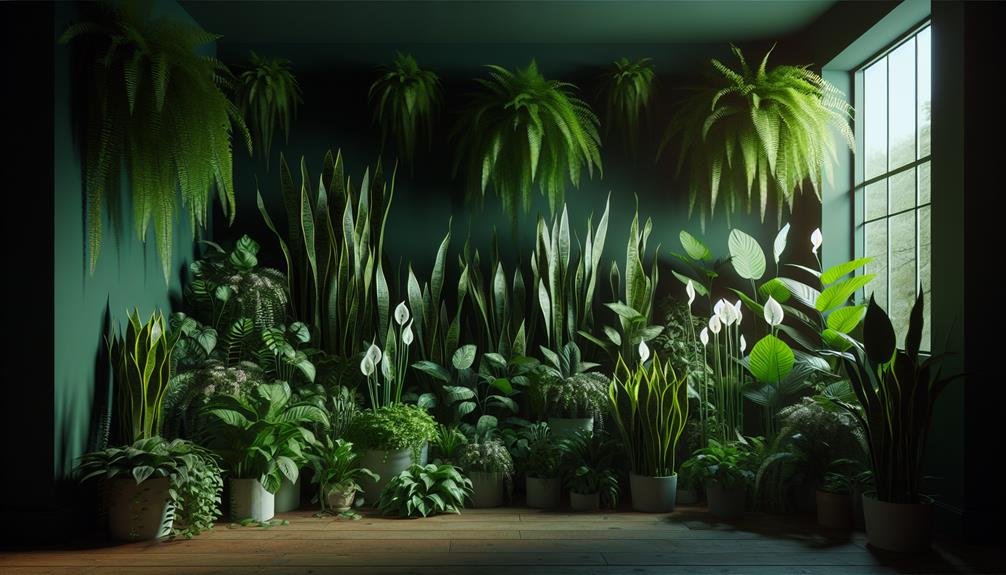
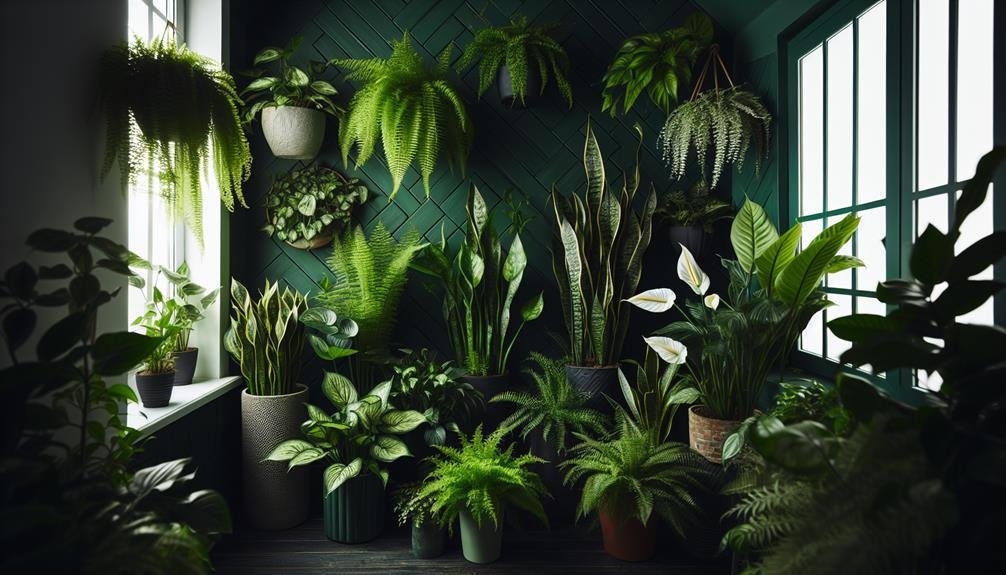
For a rejuvenating sanctuary within your home, consider curating a tranquil space filled with lush greenery and serene plant life. Start by selecting plants known for their air-purifying qualities, such as peace lilies, spider plants, or snake plants. These plants not only add a touch of nature to your surroundings but also help improve air quality, promoting a sense of calmness.
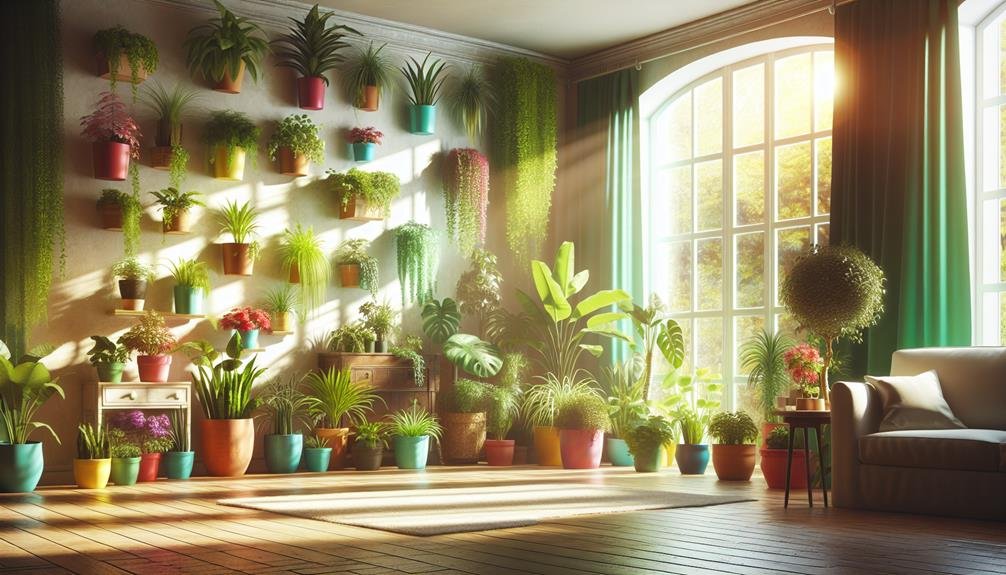
Arrange your plants in clusters or along windowsills to create a harmonious display. Integrate different sizes and shapes to add visual interest and depth to your plant sanctuary. Consider hanging plants from the ceiling or placing them on shelves to maximize space and create a cozy atmosphere.
Incorporate elements like natural stones, wooden accents, or soft lighting to enhance the soothing ambiance. Use earthy pots or decorative planters to complement your plant selection and tie the sanctuary together. By dedicating a specific area in your home to a plant sanctuary, you can establish a peaceful retreat where you can unwind, relax, and recharge amidst the beauty of nature.
Incorporating Plants Into Self-Care Routine
Consider integrating houseplants into your daily self-care routine for a natural and rejuvenating boost to your mental well-being. Start your morning by spending a few moments tending to your plants, watering them, and checking for new growth. This simple act can help you begin your day with a sense of purpose and calm. Throughout the day, take short breaks to breathe in the fresh oxygen that plants release, allowing yourself to relax and recharge. Engaging with your plants can serve as a mindful practice, grounding you in the present moment and reducing stress and anxiety.
Incorporating plants into your self-care routine doesn't have to be complicated. Simply placing a plant on your desk or near your workspace can provide a subtle reminder to pause, breathe, and appreciate the beauty of nature. As you wind down in the evening, take a moment to reflect on your day while tending to your plants, fostering a sense of gratitude and tranquility before bedtime. By weaving plants into your self-care rituals, you can cultivate a deeper connection to nature and nurture your mental well-being.
Frequently Asked Questions
Can Houseplants Help Improve Cognitive Function and Concentration?
Houseplants can indeed help improve cognitive function and concentration. By surrounding yourself with greenery, you can create a calming environment that enhances focus and mental clarity.
Studies suggest that being in nature, even indoors, can boost cognitive abilities. Taking care of houseplants also fosters a sense of responsibility and routine, which can further support your cognitive skills.
Are There Any Specific Houseplants That Can Help With Anxiety and Mood Regulation?
When it comes to anxiety and mood regulation, certain houseplants can indeed make a difference. Some plants, like lavender and jasmine, are known for their calming properties. Their scents can help reduce stress and promote relaxation.
Additionally, plants such as aloe vera and snake plants can purify the air, creating a healthier environment that may contribute to an improved mood. Consider incorporating these plants into your space for potential mental health benefits.
How Can Indoor Plants Impact Sleep Quality and Promote Relaxation?
Indoor plants can impact sleep quality and promote relaxation by releasing oxygen, which can improve air quality for better breathing.
Additionally, having greenery indoors can create a calming atmosphere that reduces stress and anxiety, helping you unwind before bedtime.
The presence of plants in your space can also provide a sense of tranquility, making it easier for you to relax and fall asleep peacefully.
Can the Act of Caring for Houseplants Have a Therapeutic Effect on Mental Health?
Caring for houseplants can indeed have a therapeutic effect on mental health. Engaging with plants allows you to focus on nurturing something outside yourself, fostering a sense of responsibility and accomplishment.
The act of tending to their needs can offer a calming routine and a connection to nature, which studies show can reduce stress and improve overall well-being.
Are There Any Potential Risks or Considerations to Keep in Mind When Incorporating Houseplants Into a Self-Care Routine?
When incorporating houseplants into your self-care routine, it's essential to consider potential risks. Some plants can be toxic to pets or children if ingested. Overwatering can lead to root rot, while underwatering can harm the plant.
Also, some individuals may have allergies to certain plants. Research different species, practice proper care, and place plants out of reach of pets and children to enjoy the benefits of nurturing houseplants safely.
Conclusion
So, now that you know the benefits of nurturing houseplants for your mental health, why not start incorporating them into your daily routine?
With the right plants and care, you can create a peaceful sanctuary in your own home.
Remember, taking care of your plants isn't just a hobby, but a form of self-care that can have a positive impact on your overall well-being.
Happy planting!